
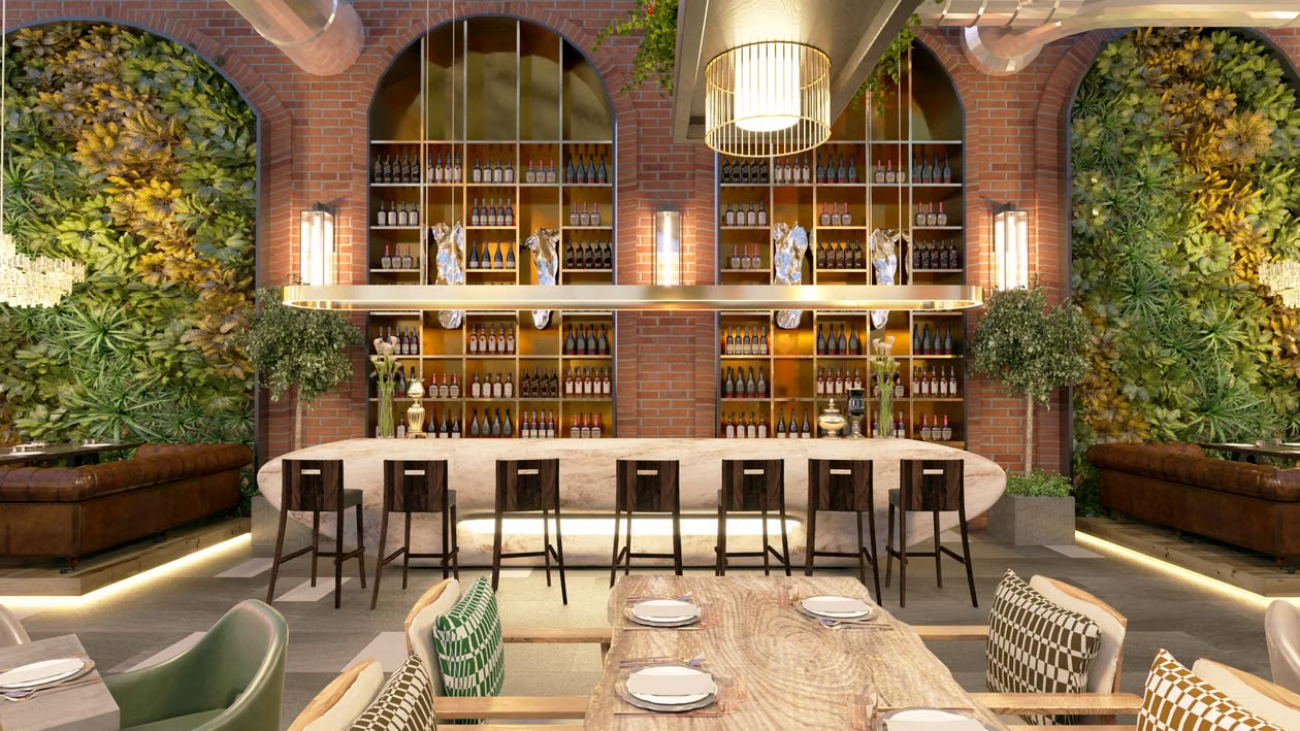
Building a functional and comfortable outdoor entertainment area can be a fun project. However, a successful process depends heavily on the planning stage, even long before you receive the first guest. Most homeowners focus on how the place will look and ignore how people will actually feel and use it. Below are the top design mistakes that can reduce comfort and functionality of your outdoor bar and how to avoid them.
Choosing Style Over Comfortable Seating
It is tempting to pick sleek and modern seating that looks good in product photos. However, comfort always matters more than aesthetics once people sit down for a few drinks. For example, bar stools without footrests create actual strain on the legs and lower back. You may not notice until your visitors start standing and walking around.
The first tip is to look at the available space and buy seating that will not fill it up. Select the right chair collection for dining areas and drinking zones to serve specific guest needs. This ensures each zone remains functional and guests do not have to carry chairs around when changing locations.
Weather resistance matters here too. Your seating needs to survive all weather to reduce maintenance costs. Choose materials like high-density polyethylene poly lumber, teak wood, and powder-coated aluminum. These options survive in extreme conditions without requiring frequent replacement.
Ignoring Shade and Weather Protection
Weather can be tough on outdoor entertainment structures. An outdoor bar without reliable shade gets abandoned on hot days. One without rain protection also shuts down the moment clouds show up. Both are missed opportunities that leave an expensive space sitting unused. This is one of the most common and most fixable oversights in outdoor bar design.
A bar with a solid or slated roof is a practical solution that gives coverage while still allowing air circulation. Retractable awnings provide flexibility since you can open and close them based on the weather. Shade sails are another affordable option that works well in drier climates. Although they may offer less protection from rain.
Installation is as important as the type of structure you choose. Think about where the sun or rain hits your entertainment area during peak hours. A bar positioned without that in mind will be blinding and hot exactly when you want to use it most. Wind direction is also worth considering, since an exposed space with no windbreak makes evening gatherings uncomfortable.
Poor Layout That Interrupts Conversation
A bad layout is among the obvious problems that appear the moment you host guests. Common issues include a counter positioned so the person serving drinks has their back to everyone. It is also possible to find seating arranged in a line rather than a loose circle and walkways that cut right through the social zone.
All these mistakes will break up conversation and make the space seem awkward. A simple rule is to ensure seating faces inward and creates a shape where guests can see each other without turning. The bar counter should also allow the bartender or host to be part of the group. If the counter faces a wall or a fence, that person is removed from the conversation every time they step behind it.
For residential spaces that involve more complex builds, working with a professional who understands spatial planning pays off quickly. Teams like I-5 Design bar and lounge build specialize in bar and lounge layouts for home entertainment spaces and can identify flow issues that are not obvious from a floor plan. Getting the flow right from the start is far cheaper than tearing things apart.
Forgetting Practical Storage Utilities
An outdoor bar can quickly become a surface of clutter if it lacks enough storage or utilities. Glassware, tools, and napkins end up on tables and mixers live in a cooler on the ground. The whole setup will also require constant trips to the kitchen or inside the house. This defeats the main reason for having a dedicated outdoor bar.
Include a small refrigerator or ice maker, closed cabinetry for dry goods and drinkware, and enough counter space to reduce mixing items. Locking storage keeps things secure between gatherings. Under-counter and overhead task lighting matters too since most people underestimate how dark an outdoor space gets after sunset.
Water access is worth the investment if your layout allows it. A small sink means you can rinse glasses, dump ice, and clean up without going inside. Waterproofing for any electrical outlets is also non-negotiable to keep the space safe in wet conditions. Planning storage and utilities before construction begins reduces disruption and expensive retrofitting.
Endnote
The best outdoor bar works well if you include comfort, shade, layout, and storage in the planning phase. Getting these aspects right means your guests will stay longer and the space will remain functional regardless of the weather. Start with what matters most first, and the whole place will fit your style naturally.