
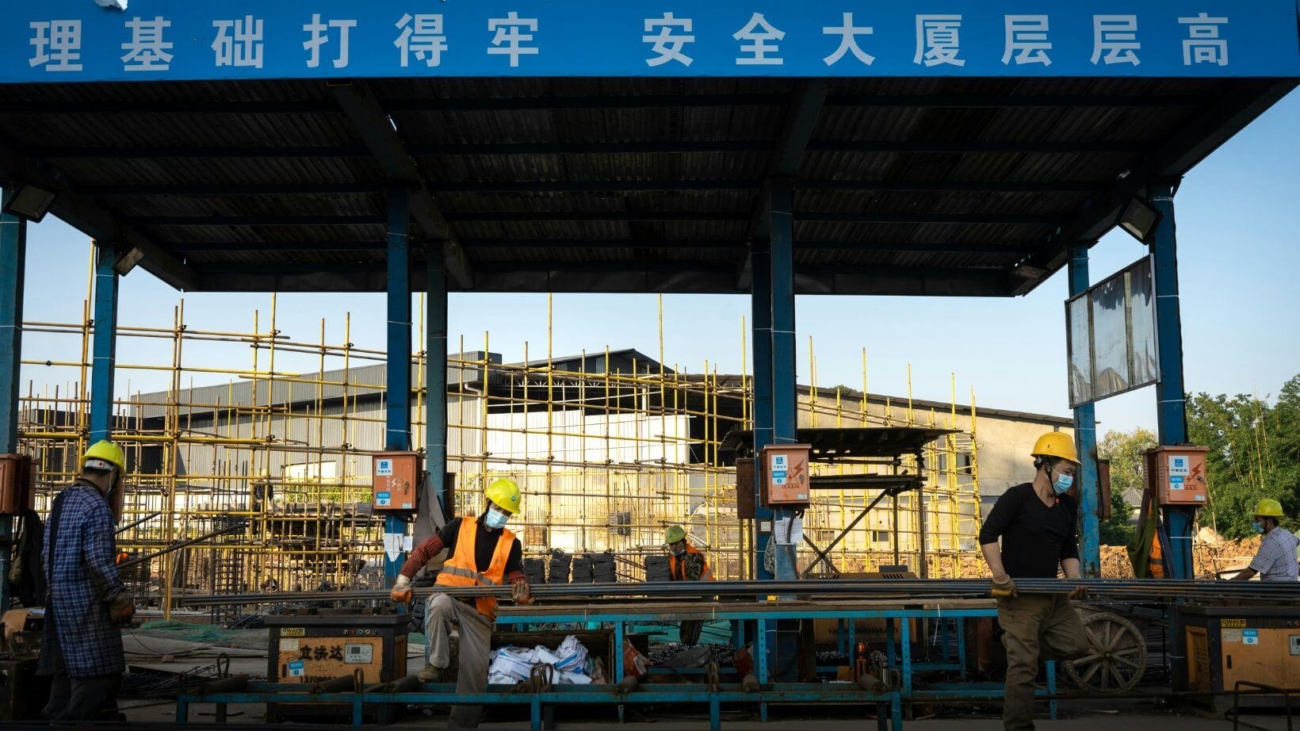
Small choices on a jobsite can prevent life-changing injuries. Practical safety accessories turn big safety plans into everyday habits that protect crews in messy, real-world conditions.
Why Site Accessories Matter
Most incidents start with ordinary tasks that slip out of control. A missed cap, a loose edge, or a poorly marked hazard can turn a stumble into a serious fall. Choose accessories that fit real workflows so workers actually use them without slowing down.
Falls remain the top killer in construction, so accessories should make safer choices the easy default. Rail systems, netting, and toe boards work best when they are visible, fast to set, and hard to remove by accident.
A national campaign on fall prevention reported that falls from elevation accounted for hundreds of construction worker deaths in a recent year, underscoring how simple barriers and reminders save lives.
Stop Impalement Risks At The Source
Exposed rebar, stakes, and form pins create hidden dangers near edges and walk paths. Use caps with tested impact resistance, bright colors, and snug fits so they stay on during wind and vibration. Many crews standardize by zone and trade, so every worker knows what protection to expect and what to install when layouts change.
This is where product compliance matters for real work. The rebar cap you pick should clearly indicate that it Complies with Federal OSHA 701 (b), since a label you can trust speeds inspections and reduces debate at shift handoff. Pair caps with brief toolbox talks so newer workers understand why the caps stay on until the pour is complete.
Build A Smart Accessory Kit For Edges And Openings
Open sides, floor holes, and temporary cutouts shift daily as a project moves. Accessories that clamp, pin, or snap into place keep protection close without hunting for tools. Mark covers with bold lettering and uses self-closing gates on ladder ways so protection resets itself after each pass.
Quick Kit Checklist
- Edge guard posts, midrails, and toe boards that assemble without loose fasteners
- Self-closing ladder gates with simple spring checks
- High-visibility hole covers marked with load ratings
- Rebar and stake caps sorted by size in labeled bins
- Tethers for tools near leading edges to prevent dropped object hazards
Keep Vision Clear And Hands Dry
Fogged lenses and slippery gloves lead to shortcuts. Stock anti-fog eyewear and keep defog wipes at entry points so workers do not pocket their glasses mid-task.
Rotate gloves by task type – cut-resistant for steel work, textured grip for wet concrete, and insulated options for cold mornings – so crews can pick the right feel without guesswork.
Make Temporary Power And Lighting Safer
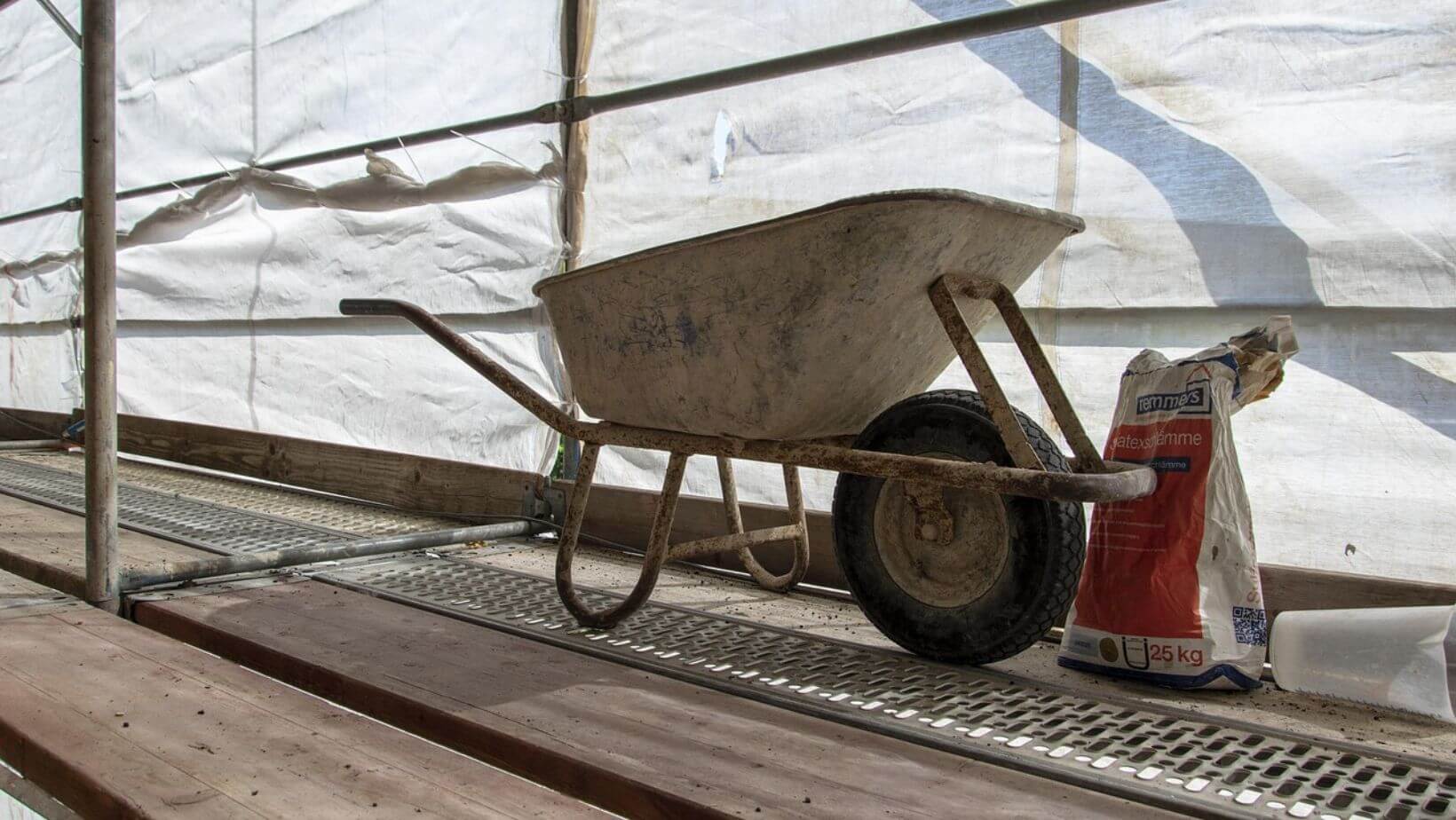
Extension cords and lights often become trip lines if not managed well. Use cord covers across walk paths, GFCI pigtails at the source, and task lights that clamp securely to scaffolds and studs.
Color-code cords by voltage and run direction so crews can spot power sources instantly in tight spaces.
Accessories only help when they are easy to find and hard to misuse. Put labeled totes on every floor for caps, clips, and fasteners, and stencil refill points on the plan set, so runners know where to bring stock.
Short weekly audits catch missing pieces early and give foremen a simple punch list before the weekend pour.
Match Accessories To Weather And Schedule
Rain, wind, and heat change how gear behaves. Choose UV-stable plastics for caps and rails, rust-resistant hardware for coastal jobs, and slip-resistant treads on temporary stairs.
On night pours or winter shifts, boost visibility with reflective wraps on rails and glow tape at ladder landings so hazards stand out under work lights.
Train With Scenarios, Not Just Slides
Toolbox talks land better with quick demos. Show how a cap fails when it is the wrong size, how a hole cover should sound underfoot, and where to tie off when a guardrail is temporarily removed.
Short, repeated drills turn accessories into reflexes that hold when the schedule gets tight.
Use Data To Guide Small Improvements
Track near misses, minor injuries, and damaged accessories by location. If one stair tower generates repeated notes, upgrade its lighting and edge protection that same day.
Simple dashboards help supers see which bins run empty first and which teams may need a five-minute refresher.
The best accessories protect without drama. When guardrails snap in place, caps stay put, and gates close themselves, crews can focus on the task at hand, and risk stays low.
Equip the site with practical, durable gear, keep it stocked where work happens, and reinforce the habit with fast demos. Those small choices add up to predictable days, clean inspections, and everyone going home on schedule.