
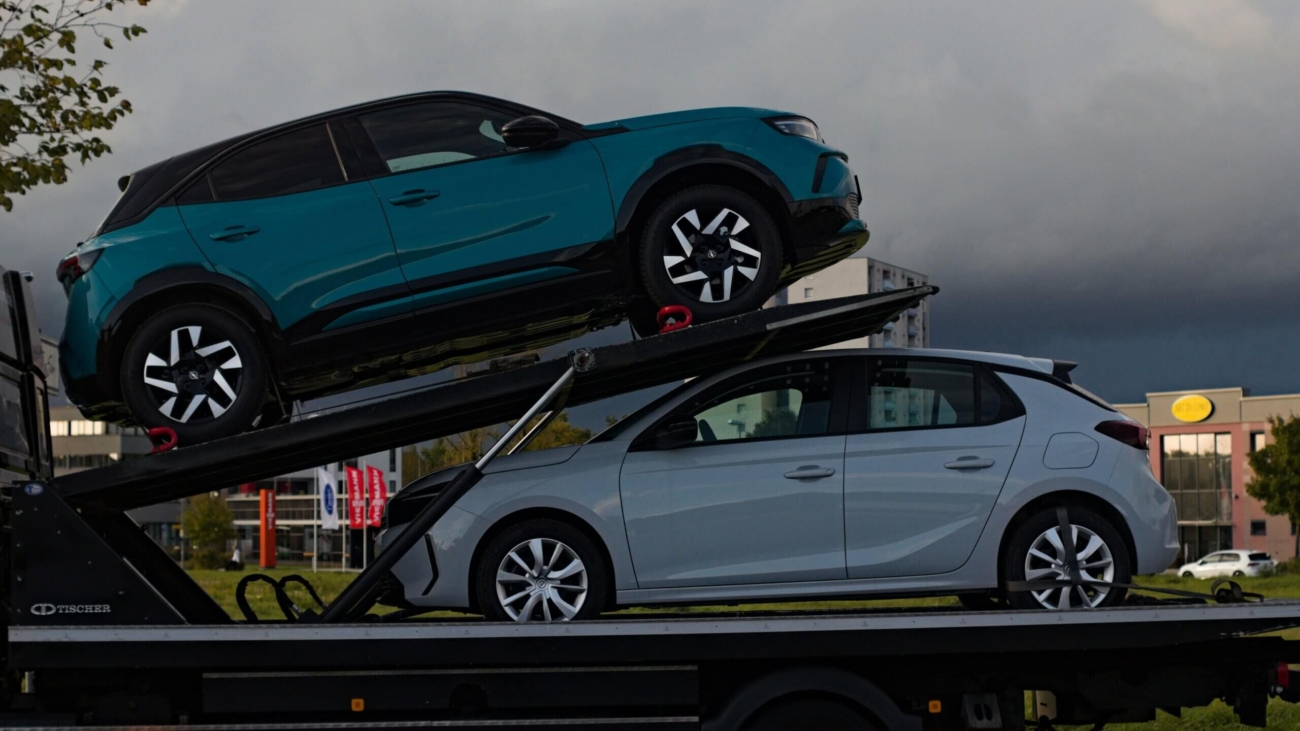
Transporting multiple vehicles is one of the most difficult tasks you can face during a move.
Every household puts the majority of their time and energy into packing boxes and hiring professional movers for the furniture. But then there are the cars sitting in the driveway…
If there’s more than one vehicle in your household the problems stack up quickly.
The good news?
Moving house with multiple vehicles becomes a much simpler process when approached with the right strategy. Below is everything you need to know for taking on this challenge successfully.
Planning For Moving House with Multiple Vehicles
Curious to see how to prepare for your multiple vehicle move? Keep reading to discover everything from the reasons behind this problem to the best methods for transporting multiple vehicles at once.
You’ll learn:
- Why So Many Moves Involve More Than One Vehicle?
- Problems With Transporting Multiple Vehicles
- Solutions For Shipping Multiple Cars
- Transport Types For Cars And Trucks
Why So Many Moves Involve More Than One Vehicle?
A quick fact to start the discussion…
Based on a report from Forbes Advisor, 22.1% of U.S. households own 3 or more vehicles. That’s almost 1 in 4 American families dealing with this same situation during their move.
And it’s only increasing.
The number of multi-vehicle households is growing year over year in the U.S.. From families with growing numbers of teenagers, to commuters with a work truck and daily driver, to motorcycle collectors – moving house with multiple vehicles has become a common moving situation.
The vehicle moving services market is responding to this high demand. It reached $4.4 billion USD in 2024, with a Compound Annual Growth Rate (CAGR) of over 12% over the past 7 years. Clearly, people need help moving their vehicles from point A to point B.
So what are the options?
Cars, trucks, SUVs, and motorcycles are all popular vehicles that need moving during the average relocation. Hiring professional transport services takes the burden off the owner and handles the physical logistics. Owners with two-wheeled bikes in their fleet can get a motorcycle shipping quote to see just how affordable professional transport really is.
Pretty simple, right?
Problems With Transporting Multiple Vehicles
Let’s take a look at why this can get complicated.
- The Distance Problem
- The Timing Issue
- The Wear & Tear Factor
- The Coordination Headache
The Distance Problem
Driving 1 car across the country is tiring. Driving 2 or 3 vehicles is completely overwhelming. That requires either a different driver per vehicle or multiple trips to get them all moved.
Neither solution is really attractive when you’re trying to complete a hundred other moving tasks at once.
The Timing Issue
Logistics make it important for everything to arrive at the new house around the same time. Arriving at your destination without a car to drive to work, school, or run errands quickly becomes a serious problem.
The Wear and Tear Factor
Long-distance drives add several thousand miles to a car’s odometer in a single trip. For newer cars, or classic vehicles, the depreciation from that wear and tear is noticeable.
Driving long distances also ups the likelihood of breakdowns, accidents, and unexpected repair costs along the way.
The Coordination Headache
Moving is already a balancing act of working with movers, utilities, address changes, and every detail in between. Throwing vehicle logistics on top of that list is all it takes to push most people into the stress zone.

Solutions For Shipping Multiple Cars
Okay, now the good stuff. There are several well-known approaches to handling moving house with multiple vehicles.
Solution #1: Hire Professional Auto Transport
This is by far the most hands-free method available.
Professional auto transport companies move vehicles safely and efficiently for owners. They pick up the vehicles, drive them to the destination, and the owner worries about other moving priorities.
Advantages are clear:
- No additional miles on vehicles
- No wear and tear from long-distance driving
- Professional insurance coverage
- Door-to-door service options
- Ability to ship multiple vehicles at once
For households with three or more vehicles, this option is often the most cost-effective when factoring in all the additional costs of long-distance driving.
Solution #2: The Convoy Approach
The other option is to drive vehicles yourself.
This works best when there are multiple licensed drivers in the family and the distance is more regional than cross-country. Driving in convoy keeps all vehicles together and makes it easy to help each other out if necessary.
It does require:
- Multiple drivers for each vehicle
- Rest stops and fuel breaks coordinated between vehicles
- Hotel rooms booked for multiple vehicles if overnight
- One person in each vehicle willing to do the driving
This approach works well for local or regional moves. It is more trouble than it’s worth for cross-country relocations.
Solution #3: The Hybrid Method
And of course there is always a combination option.
Drive one main vehicle and transport the others. This provides mobility immediately upon arrival while removing the need for multiple drivers at once. A lot of families find this the ideal mix of cost-savings and convenience.
Transport Types For Cars and Trucks
Two basic options exist for shipping vehicles professionally.
- Open Transport
- Enclosed Transport
Open Transport
Open transport is the most common and most budget-friendly way to have a car or truck shipped. Vehicles ride on open-air carriers with other cars along for the ride. Dealerships ship new inventory this way all the time.
Open transport is perfect for:
- Daily drivers
- Standard sedans and SUVs
- Pickup trucks and vans
- Budget-minded moves
Enclosed Transport
Enclosed transport is the luxury method that provides the most protection. Vehicles travel inside a completely enclosed trailer away from weather and road debris.
Enclosed transport works for:
- Classic and antique vehicles
- Luxury cars
- Sports cars
- Motorcycles and specialty vehicles
Expect to pay from 30% to 50% more for enclosed transport over open service.
Picking The Best Transport Method
A few factors will help you determine which approach is best for moving house with multiple vehicles.
Consider the total distance to be traveled first. Moves under 500 miles might make driving a reasonable solution. But cross-country moves usually justify using professional transport methods.
Factor in the value of vehicles in your household. According to The Geography of Transport Systems, 59% of U.S. households already own two or more vehicles. Those families almost certainly include at least one vehicle with high enough value to warrant protecting during transport.
Factor in how much time is available for moving as well. Moving deadlines rarely come with much wiggle room. Professional transport provides a guaranteed delivery window and relieves the need for hours behind the wheel.
Make sure to calculate true costs when comparing options. Gas, hotels, food, and lost wages from time off work add up faster than you think. Getting estimates from transport companies is often surprising to learn the value being offered.
Final Thoughts
Moving house with multiple vehicles doesn’t have to complicate the entire process.
The trick is starting to plan early and then determining the best strategy for each situation. Whether that means hiring professionals for all vehicles, driving them convoy-style, or using a combination of both – there are options to fit any budget and timeframe.
Want a quick review?
- Assess how many vehicles are in your household that need moving
- Calculate the true cost of each potential solution
- Get quotes from professional transport companies
- Select the method that best fits your time and budget
- Book as early as possible to lock down desired move dates
Multi-vehicle households will always have a more difficult time with a move. But with good planning, getting each car, truck, and motorcycle to the new address is just one more task to check off the list.
Researching transport options early is key. The best auto transport companies fill up with bookings fast, especially during peak moving season.