
Highlights:
- Window direction — not just brightness — determines which plants can actually survive in your home; south, east, west, and north-facing rooms each suit different plant types.
- Humidity is the most overlooked home variable: dry heated air in winter quietly kills tropical plants that look perfectly healthy at the nursery.
- Matching plants to your home’s specific rooms (bathroom, kitchen, bedroom, home office) is more effective than buying by looks and hoping for the best.
- Around 58% of plant buyers are now seeking low-maintenance varieties, reflecting a broader shift toward greenery that fits real domestic life rather than idealized routines.
- Snake plants and ZZ plants are the most reliable picks for the hardest home condition combination — low light and dry air — making them the smartest starting point for most homeowners.
Walk through any well-loved home and you’ll usually notice the same thing: somewhere between the couch and the kitchen, there’s a plant that just works. Not a centerpiece plant with a spotlight on it — just a leafy something that belongs there, like it grew out of the wall itself. That’s biophilic design doing its job quietly, and it’s a lot more achievable than it sounds.
The tricky part isn’t finding plants you love. It’s finding plants that love your home back. And that comes down to two things almost every homeowner underestimates: light and humidity. Get those two variables right, and low-maintenance plants practically take care of themselves. Get them wrong, and even the “unkillable” ones start looking rough by month three.
Here’s how to actually match plants to your home — not the home you wish you had, but the one you’re actually living in.
Your Home Is Already Telling You Which Plants It Wants
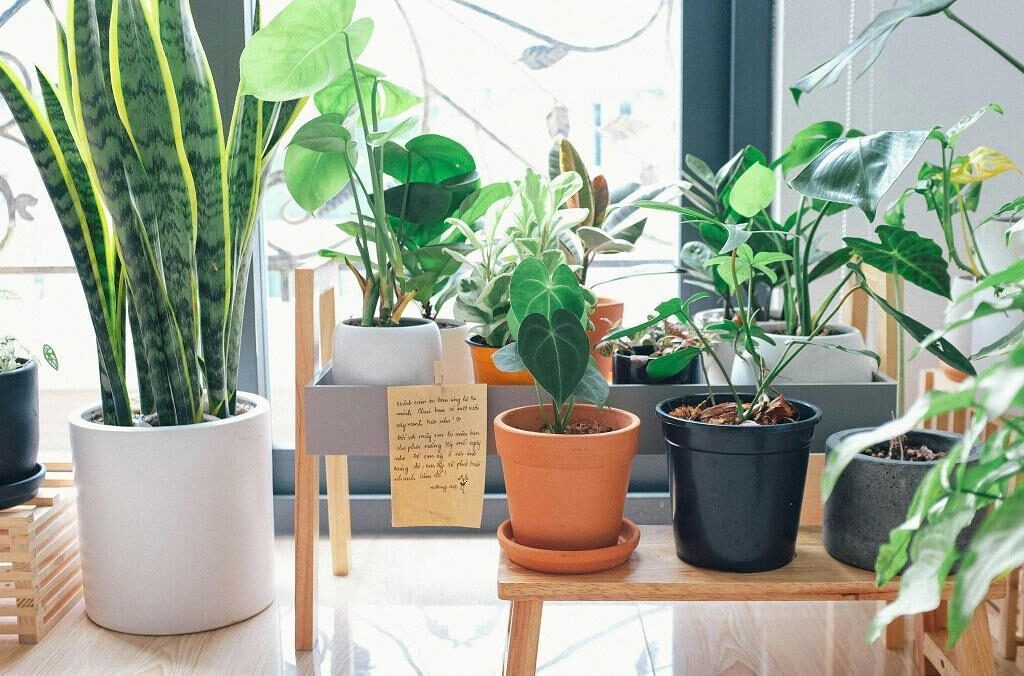
Before you buy a single thing, do a slow walk through your home and pay attention to two things: where the light falls, and how the air feels in each room.
Most people think about light in terms of “sunny” or “not sunny.” But for plants, what matters is direction. South-facing windows get the longest, brightest light of the day — great for sun-lovers like succulents and herbs. East-facing windows get gentle morning light, which suits most tropical foliage plants beautifully. West-facing rooms get strong afternoon sun that can scorch delicate leaves. North-facing spaces get the least light of all, but that doesn’t mean they’re plant-free zones — it just narrows the field.
Humidity is trickier to read by feel, but your home gives you clues. If you run the heat heavily in winter and your lips crack by January, your indoor air is dry. If you’ve got a bathroom that steams up dramatically and takes forever to clear, that room has humidity to spare. These conditions are fixed features of your home, and fighting them with the wrong plants is a losing battle.
The good news: once you know your conditions, matching them to the right plants is actually pretty straightforward.
The Data Behind the Shift to Low-Maintenance Home Greenery
It’s worth pausing on why this matters so much right now. The push toward low-maintenance plants isn’t just an aesthetic trend — it reflects a real shift in how homeowners think about their spaces.
According to a 2026 market outlook from Global Growth Insights, roughly 29% growth in demand for low-maintenance varieties has been recorded in the global indoor plant market, with over 65% of consumers in urban areas now viewing indoor greenery as essential to how their home looks and feels. More specifically, around 58% of plant buyers are actively seeking out easy-care options — which means the majority of people bringing plants into their homes want greenery that fits their actual lifestyle, not a second hobby.
That lines up with what’s happening in the broader home design world. A January 2026 report from Mordor Intelligence valued the global indoor plant market at approximately $13.61 billion, with steady growth projected through 2031. The key driver isn’t novelty — it’s the mainstreaming of biophilic design as a genuine wellness investment in the home. People aren’t buying plants to decorate; they’re buying them to feel better in the place where they spend most of their time.
That shift changes how you should approach plant shopping. You’re not styling a room — you’re building a living environment. And the plants that work best in that environment are the ones matched to what your home actually provides.
What Biophilic Design Looks Like Room by Room
Biophilic design in a home context isn’t about cramming greenery into every corner. It’s about creating moments of connection with nature that feel organic to the space — a trailing pothos on a kitchen shelf, a peace lily in a dim hallway, a cluster of succulents on a sunny windowsill. Each plant is in dialogue with the room it’s in.
The practical starting point is thinking room by room, because each room in your home has its own light and humidity profile.
Living rooms tend to have the most light options, especially if there are large windows. This is where you can experiment a little — bright indirect light from a nearby window suits a monstera or heartleaf philodendron, while a snake plant in the corner handles lower light with zero fuss.
Kitchens are naturally more humid than other rooms from cooking steam, which opens the door for plants that appreciate a little moisture — pothos and spider plants both do well here, and they don’t mind the occasional temperature fluctuation.
Bathrooms with windows are genuinely underrated plant spots. The humidity levels are high, light tends to be filtered and gentle, and plants like ferns, peace lilies, and even small orchids can thrive in ways they never would in a dry living room.
Bedrooms are usually moderate in terms of both light and humidity, which makes them ideal for medium-care plants like pothos, ZZ plants, and snake plants. There’s also a wellness argument for bedroom plants — studies have linked plants in sleeping spaces to reduced stress and better air quality, both of which contribute to more restful sleep.
Home offices and darker rooms are where ZZ plants and cast iron plants earn their keep. If your office faces north or sits away from windows, you need plants that genuinely tolerate low light — not ones that just survive it temporarily before slowly declining.
For a detailed room-by-room breakdown of which specific plants work best based on light level and humidity, this guide on selecting low-maintenance plants for biophilic interior design goes deep on the combinations that actually hold up over time in real home environments.
Reading Light in Your Home (Without a Meter)
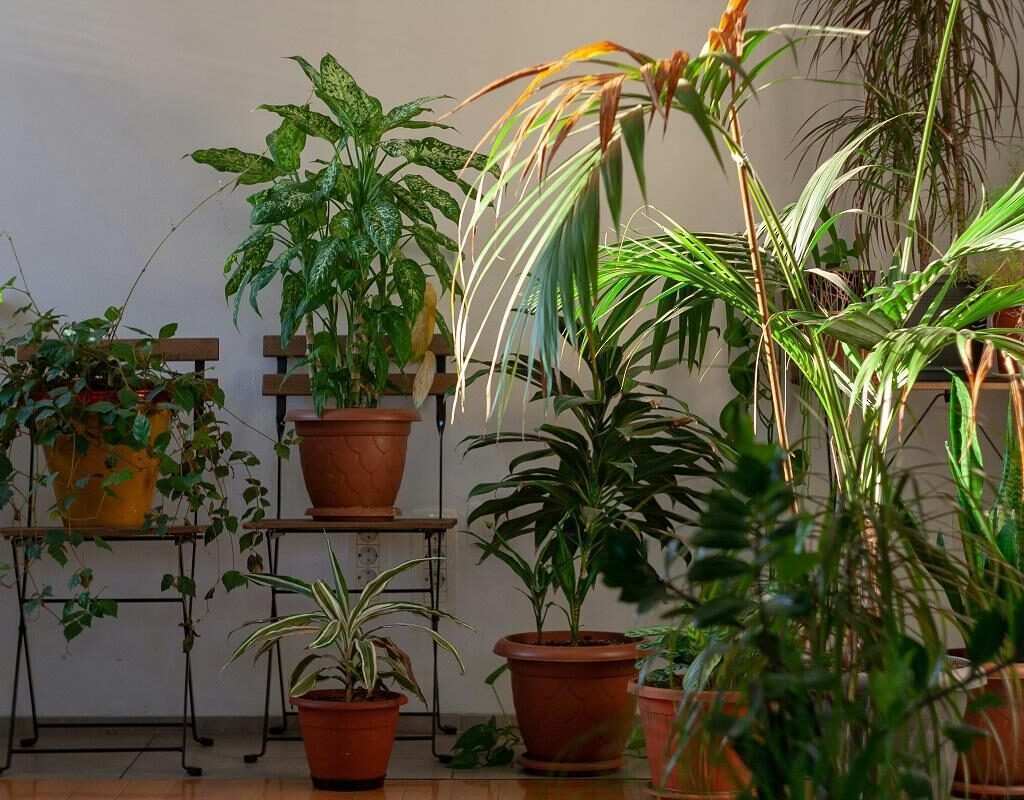
You don’t need a fancy light meter to figure out what your home’s windows offer. Here’s a simple way to think about it:
Bright direct light means the sun hits the plant’s leaves for several hours a day. If you can see a sharp shadow cast by your hand near the window, that’s direct light. Cacti, succulents, and most herbs are built for this. Most tropical foliage plants will burn here.
Bright indirect light is what you get a few feet back from a sunny window, or near a window that’s filtered by a sheer curtain or a tree outside. The light is still strong, but diffuse. This is the golden zone for most popular houseplants — monsteras, pothos, peace lilies, and philodendrons all do beautifully here.
Low light is what you get in north-facing rooms, in spaces far from windows, or in corners that rarely see direct sun. It’s not darkness — most homes have enough ambient light for certain plants — but it limits your options significantly. Snake plants, ZZ plants, and cast iron plants are the reliable choices here. They grow slowly in these conditions, but they stay healthy.
One useful signal: Google search data shows that “low light indoor plants” consistently hits peak search volume in January, suggesting that winter — when days are short and heating dries the air — is when most homeowners realize their plant choices aren’t working. Matching plants to your winter conditions, not just your summer ones, is the smarter long-term approach.
Humidity: The Variable Most Homeowners Ignore
Humidity is where a lot of home plant collections quietly fall apart. Most decorative tropical plants evolved in humid environments — their wide, waxy leaves and glossy surfaces are adaptations to hold moisture. Put them in a dry home in winter and they start throwing yellow leaves, brown tips, and general sadness.
Here’s how to think about humidity tiers in a home context:
Dry home air (below 40% humidity) is common in winter with central heating running. If this describes your house, you want plants that actively prefer dry conditions: snake plants, ZZ plants, succulents, and cacti. Fighting this with moisture-loving plants means constant effort — misting, pebble trays, humidifiers — which is the opposite of low-maintenance.
Moderate humidity (40–60%) is the comfortable mid-range. Most tropical foliage plants — pothos, philodendrons, monsteras, rubber plants — handle this well without any intervention. This is the easiest humidity range to work with.
Naturally humid spaces (60%+) like bathrooms and some kitchens open up the possibility of calatheas, ferns, orchids, and air plants — plants that struggle elsewhere in the home but genuinely flourish where moisture is consistent.
The biggest mistake homeowners make is buying humidity-loving plants for dry living rooms because they look beautiful in the nursery. They look beautiful in the nursery because the nursery is humid. Bring them home to a heated, dry space and the decline starts within weeks.
The Best Low-Maintenance Home Plants by Condition
Here’s a practical cheat sheet based on the most common home conditions:
For bright, sunny windowsills:
Succulents, aloe vera, cacti, herbs like rosemary and thyme. Water sparingly, let them bask, and mostly leave them alone.
For bright indirect light with average humidity:
Monstera deliciosa, heartleaf philodendron, rubber plant, spider plant. These are the workhorses of home biophilic design — fast-growing, forgiving, and visually impactful without being high-maintenance.
For low light, dry conditions (the hardest combination):
Snake plant and ZZ plant. Both are genuinely low-light tolerant and drought-resistant. If your home office is dim and dry, these two are your best options and honestly some of the most elegant plants you can own.
For humid bathrooms with indirect light:
Peace lily, fern varieties, small orchids. These thrive exactly where other plants would rot or dry out.
For kitchens with moderate light and cooking humidity:
Pothos, spider plant, herbs on a bright windowsill. Pothos in particular is nearly impossible to kill in kitchen conditions — it tolerates irregular watering, humidity variation, and lower light without complaint.
A Few Home-Specific Tips Worth Knowing
Heating vents are plant killers.
Don’t put any plant directly above or beside a heating vent — the blast of dry, hot air causes rapid moisture loss that even drought-tolerant plants struggle with. The same goes for air conditioning vents in summer.
Window quality matters.
Older single-pane windows can create cold drafts that damage tropical plants in winter even when they’re positioned to get good light. If your windows are drafty, either move plants further back or stick with cold-tolerant varieties.
Bigger pots dry out slower.
If you tend to forget to water, go a pot size up from what’s recommended. More soil volume means more moisture retention, which buys you more time between waterings without harming the plant.
Grouping plants raises local humidity.
Plants release moisture through their leaves, so clustering a few together in a dry room creates a slightly more humid microclimate around them. It’s a simple trick that makes a real difference for moderate-humidity plants in drier homes.
The Bottom Line for Your Home
Biophilic design works best when it’s honest about the home it’s in. The plants that create that effortless, thriving look — the kind you see in homes that just feel good — aren’t special or rare. They’re simply well-matched. The right light, the right humidity, the right level of care that fits your actual routine.
Start with your conditions, not with the plant. Walk your home, note your windows, think about your air in winter. Then choose plants that are built for that environment. That’s the whole system, and it’s the difference between a home that feels alive and a collection of pots you feel guilty about.