
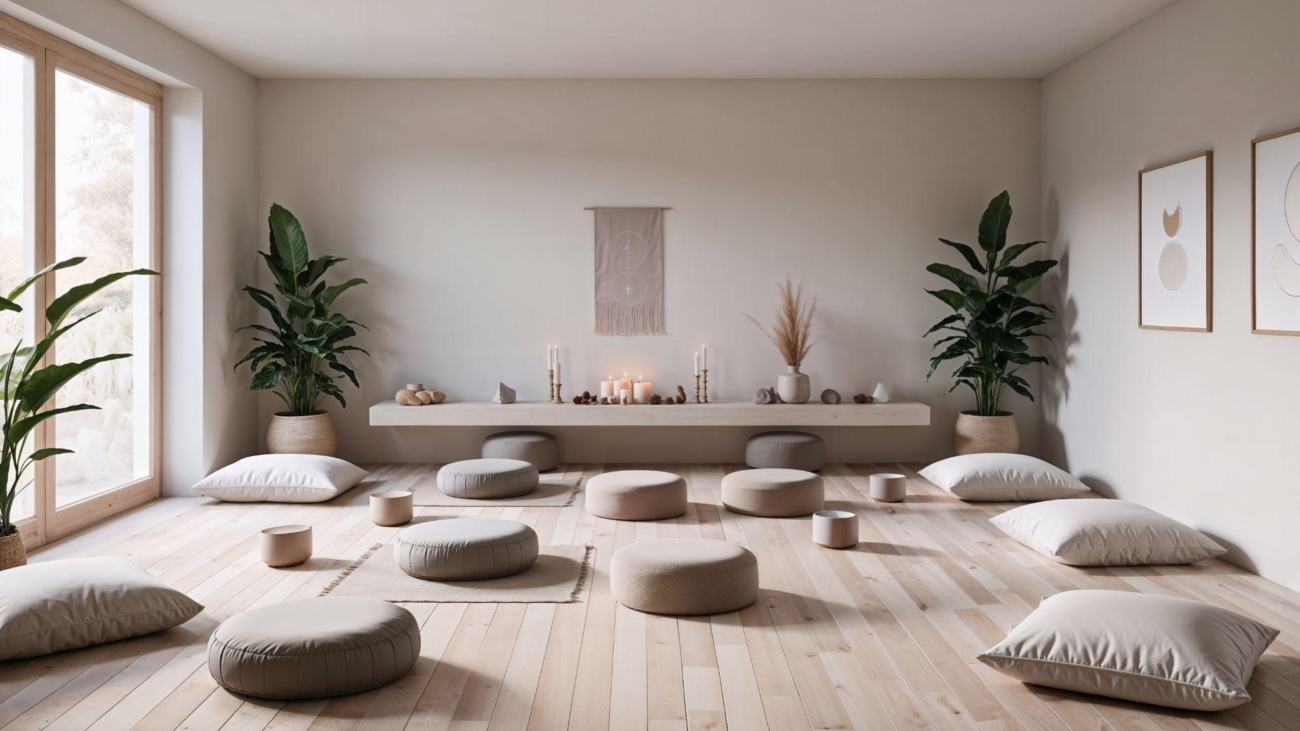
Highlights:
- Wellness room searches jumped 164% on Houzz in early 2026, and Zillow listing mentions of wellness features are up 33% — this is no longer a niche trend, it’s a mainstream buyer expectation.
- Your design style choice directly affects both your daily calm and your resale appeal; spa-minimalist and Japandi have the broadest buyer appeal, while warm maximalism works best for long-term homeowners with strong design confidence.
- Biophilic design — natural materials, living greenery, and organic textures — delivers measurable nervous system benefits and ages better on the market than most trend-driven styles.
- Light, air quality, and acoustics are the non-negotiable foundation of any wellness room, regardless of style — get those right first, then layer aesthetics on top.
- A dedicated wellness room and a bathroom remodel are not interchangeable investments; only a standalone wellness room creates the psychological separation that makes the space function as a true retreat.
You’ve decided you want a wellness room. Smart move. But now comes the part that trips up most homeowners: what should it actually look like?
It’s tempting to just scroll Pinterest until something feels right — but your wellness room’s design style isn’t just about aesthetics. Get it right and you’ve got a deeply personal retreat and a meaningful bump in your home’s value. Get it wrong and you’ve got an awkward room that neither relaxes you nor impresses buyers. Let’s talk about how to thread that needle.
Why 2026 Is a Turning Point for Wellness Room Design
Before diving into specific styles, it’s worth understanding why this conversation matters more right now than it did a few years ago.
According to Houzz, homeowner interest in dedicated wellness spaces has exploded in early 2026 — searches for “wellness rooms” on the platform jumped 164% year-over-year, with searches for “calming” as a design keyword rising 139% in the same period. That’s not a blip. That’s a fundamental shift in how people are thinking about their homes.
And the market is following homeowners’ attention. Data cited from Zillow’s 2026 Home Trends Report shows that wellness features are appearing in real estate listings 33% more often than the year before — meaning agents and sellers have already figured out that buyers are actively looking for these spaces.
Put those two data points together and the message is clear: a well-designed wellness room isn’t a luxury indulgence anymore. It’s a mainstream home feature with real market legs. The question is just which design style will deliver the most calm for your nervous system and the most value for your sale price.
The Spa-Minimalist Style: Clean Lines, Maximum Decompression
If you’ve ever walked into a high-end hotel spa and immediately felt your shoulders drop, you’ve experienced spa-minimalism at its best. This style strips away visual noise and lets the space breathe.
What it looks like:
Think large-format stone tiles in soft neutrals — ivory travertine, warm greige limestone, matte concrete. Wall-mounted fixtures keep the floor clear. Color palette is monochromatic, maybe one warm wood accent to break the monotony. Lighting is indirect and adjustable, never harsh overhead.
Why it works for calm:
The principle at play here is what the Global Wellness Institute calls “reduced sensory clutter” — a neuroarchitecture concept that recognizes how visual complexity directly affects your nervous system’s ability to downshift from a state of stress. Fewer visual decisions = faster relaxation.
Why it works for resale:
This is probably the safest style choice from a buyer appeal standpoint. Neutral, spa-adjacent aesthetics have broad appeal and photograph beautifully, which matters in an era when listings live or die by their first scroll impression.
Best fit for:
Homeowners who find clutter genuinely stressful, people in high-stimulation careers who need visual quiet at home, and anyone who plans to sell within five years.
Biophilic Design: Bringing the Outside In
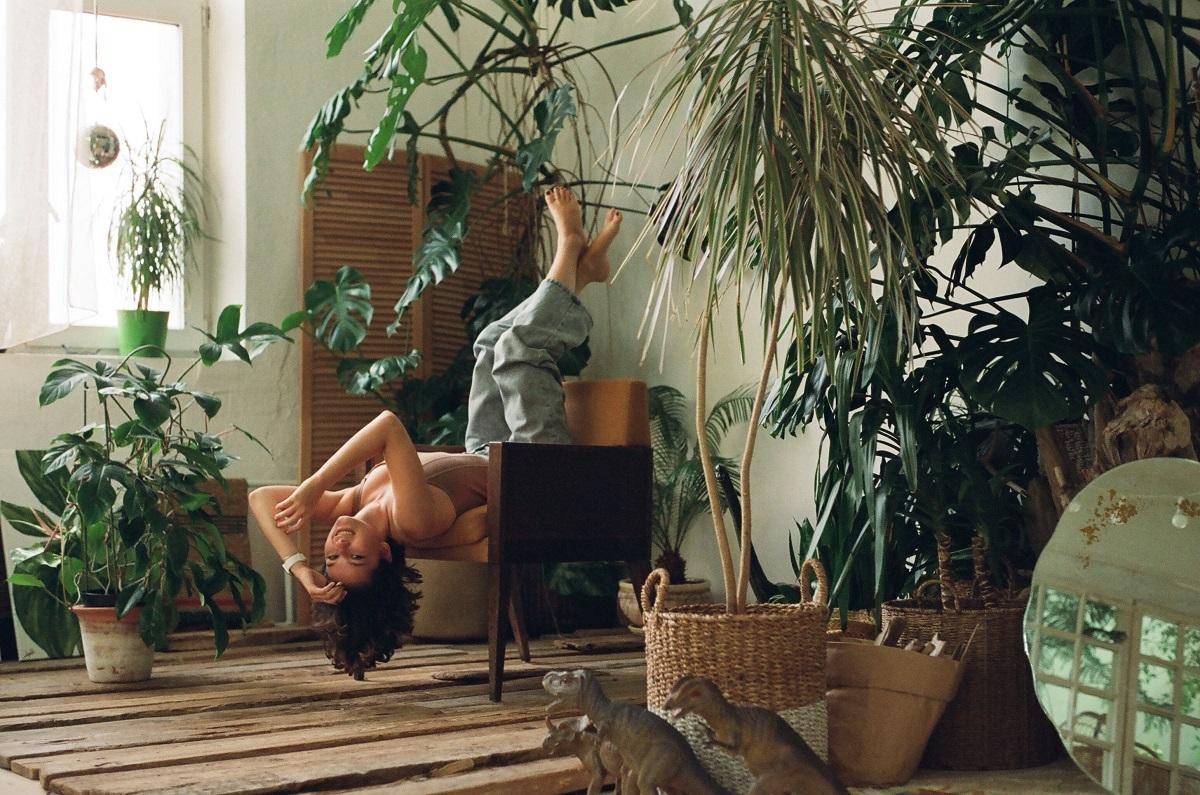
Biophilic design is having a full-blown moment right now — searches for it on Houzz are up 112% in 2026, right alongside the wellness room surge. The premise is simple: human beings evolved outdoors, and our nervous systems respond to natural materials, light, and living things in measurably positive ways.
What it looks like:
Living plant walls or a carefully composed arrangement of large-leaf tropicals. Unpainted wood — not faux wood-look vinyl, actual wood, with visible grain. Natural stone. A water feature, even a small tabletop one. Big windows, skylights, or at a minimum, full-spectrum lighting that mimics daylight cycles. Earthy tones: warm terra cottas, forest greens, clay.
Why it works for calm:
There’s genuine science here. Exposure to natural materials and greenery has been shown to lower cortisol levels and reduce blood pressure. A wellness room designed around biophilic principles does the heavy lifting before you’ve even started your meditation timer.
Why it works for resale:
Natural light and organic materials consistently rank at the top of buyer priority lists. Real wood and stone read as premium finishes, not trendy ones, which means they age gracefully in the market.
Best fit for:
Plant people, outdoor enthusiasts who want to bring that energy inside, and homeowners in urban settings who are hungry for a nature connection.
One caveat:
Living walls and real plants require maintenance. If you’re not prepared to care for them, high-quality preserved moss panels and natural stone can deliver much of the same biophilic effect without the upkeep commitment.
Japandi: The Style That Refuses to Go Out of Fashion
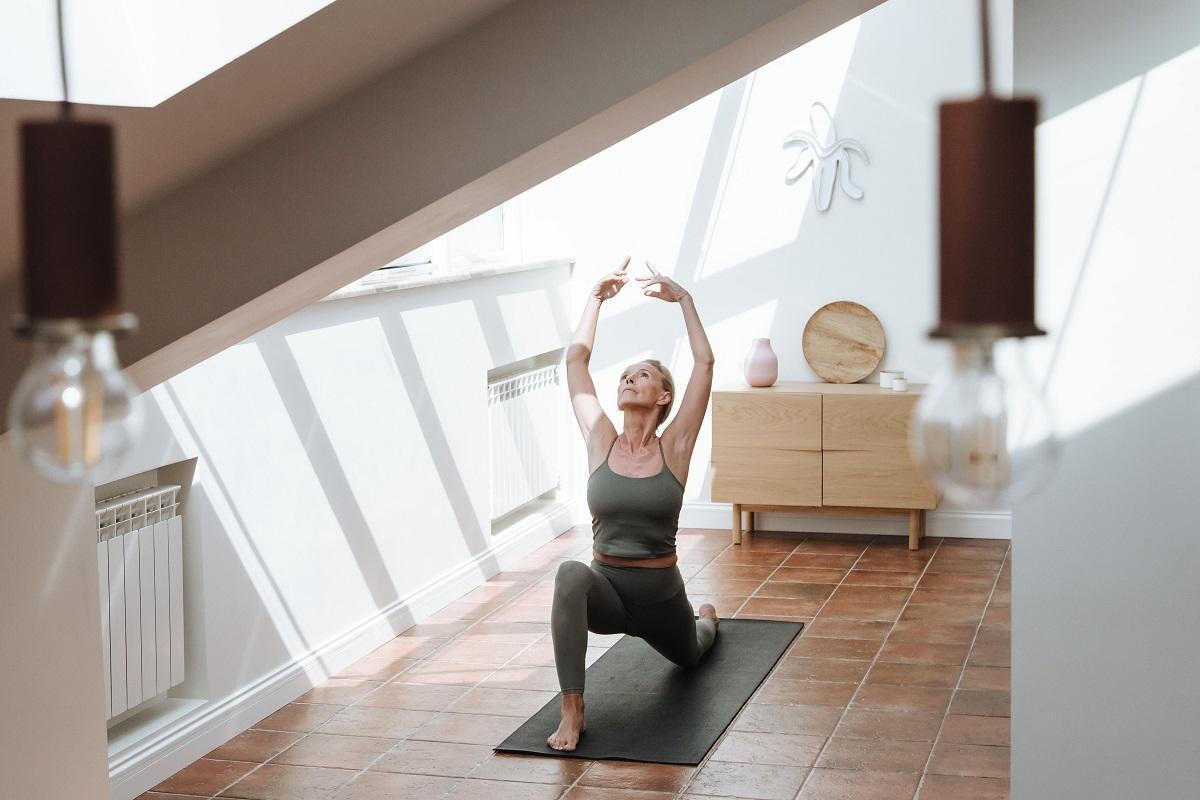
Japandi is the hybrid aesthetic that’s been quietly dominant in wellness and interior design for several years now — and it shows no signs of slowing. It blends Japanese wabi-sabi (the beauty of imperfection and impermanence) with Scandinavian hygge (cozy, intentional warmth) into something that feels both ancient and completely contemporary.
What it looks like:
Low-profile furniture with clean, functional silhouettes. Handmade ceramics. Muted, earthy palette — dusty sage, warm charcoal, raw linen, aged wood. Asymmetrical arrangements that feel considered but not contrived. Negative space used deliberately. The overall effect is spare but somehow deeply warm.
Why it works for calm:
Japandi spaces feel intentional rather than empty. Every object earns its place, which creates a subconscious sense of order and care. It’s minimalism with soul — less sterile than pure minimalism, less chaotic than maximalist styles.
Why it works for resale:
Japandi reads as sophisticated without being trendy. It photographs in a way that appeals to a wide buyer demographic, especially the millennial and Gen X buyers who currently dominate the market and often explicitly seek out this aesthetic.
Best fit for:
Design-conscious homeowners who want their wellness room to feel curated, people who appreciate craftsmanship and handmade objects, and anyone who finds both pure minimalism and decorative maximalism too extreme.
Warm Maximalism: Yes, You Can Have More
Here’s the counterintuitive option: a wellness room that is full. Rich, layered, textural, and slightly theatrical. This is for the person who finds empty space cold rather than calming.
What it looks like:
Deep jewel tones — midnight blue, forest green, burgundy, ochre. Layered textiles: a wool rug, linen curtains, a velvet bench, woven throw pillows. Collected objects that tell a story. Wood paneling or a bold wallcovering. Candles, incense holders, books. It’s maximalist, but warm maximalist — cohesive and intentional, not cluttered.
Why it works for calm:
Not everyone’s nervous system responds to emptiness with relaxation. For some people, a richly layered space feels held — like a cocoon. If you’ve ever found a dark, book-filled library more restful than a white spa, warm maximalism might be your style.
Why it works (selectively) for resale:
This is where you need to be strategic. Bold design choices have narrower buyer appeal, which means you’re making a trade-off. If your primary goal is resale value, this isn’t the style to lead with. But if this is genuinely the space that will get daily use from you and your household, a beautifully executed maximalist wellness room is still a significant differentiator — especially in higher-end markets where buyers expect personality.
Best fit for:
Highly sensory people, collectors, those with strong design confidence, and homeowners in markets where distinctive interiors command attention.
The Design Features That Matter Regardless of Style
Here’s something important: whatever style you choose, certain fundamentals drive both calm and resale value across the board. Natural light leads the pack — 63% of buyers cite it as a top priority, according to the same Zillow trend data. Acoustic design (sound dampening, quiet HVAC, soft materials that absorb echo) is increasingly expected in wellness-specific spaces. And air quality features — proper ventilation, HEPA filtration, materials with low VOC off-gassing — are becoming table stakes rather than upgrades.
These aren’t style choices; they’re infrastructure. Nail them first, then layer your aesthetic on top.
Wellness Room vs. Bathroom Remodel: Know the Difference Before You Commit
One question that comes up constantly in this conversation is whether a dedicated wellness room is actually worth it compared to upgrading an existing bathroom into a spa-like retreat. They’re not the same investment, and they don’t serve the same purpose.
A bathroom remodel can incorporate many wellness features — steam showers, soaking tubs, circadian lighting, high-end finishes — but it still functions primarily as a utility room. A dedicated wellness room creates psychological separation: a space with no other job except your restoration. That distinction matters both for how the space functions for you and for how it reads to buyers.
If you’re weighing those options carefully, this deep-dive on high-end wellness room additions versus standard bathroom remodels breaks down the cost, ROI, and practical differences in detail — and it’s worth reading before you finalize your scope.
How to Actually Choose Your Style
Here’s a simple framework:
Start with your nervous system, not trends.
Walk through each style mentally and notice which one produces a genuine exhale. The style that relaxes you is the right starting point.
Calibrate for your timeline.
If you’re selling in two to three years, bias toward Spa-Minimalist or Japandi — they have the broadest buyer appeal and the strongest listing presence. If this is your long-term home, you have more latitude to follow your own taste.
Invest in the fundamentals first.
Light, air, acoustics, and quality materials will do more for both calm and resale value than any decorative style choice. Commit to those, then style around them.
Don’t underestimate the data.
With wellness room searches up 164% on Houzz and listing mentions of wellness features climbing 33% year-over-year on Zillow, you are not ahead of a trend — you are in the middle of a shift. Acting now, with intention, puts you in a strong position whether your goal is daily peace of mind or long-term property value.
Wrapping It Up
Designing a wellness room isn’t really about picking a trend off a mood board. It’s about understanding what your nervous system needs, what your timeline demands, and where those two things overlap. Whether you’re drawn to the stripped-back calm of spa-minimalism, the grounded warmth of biophilic design, the considered quiet of Japandi, or the enveloping richness of warm maximalism — there’s a version of this space that works for you and for your resale value.
The data backs the investment. Buyer demand is real, listing visibility is up, and wellness design has crossed the threshold from luxury add-on to mainstream expectation. The homeowners who act with intention now — choosing a style that’s both livable and marketable, and building it on the right fundamentals — are the ones who’ll look back on this as one of the smartest decisions they made for their home.
Start with what calms you. Build from there. The rest has a way of falling into place.