

Key Takeaways:
- The federal residential solar ITC (30%) expired at the end of 2025, meaning 2026 buyers must rely on state and utility incentives — a significant budget shift that affects payback projections.
- The national average solar payback period is 8.7 years in 2026, but location drives enormous variance — some states break even in under 6 years, others stretch past 12.
- A whole-home heat pump averages $15,393 installed nationally in 2026, with the added financial advantage of replacing both a furnace and air conditioner in one system.
- Sequencing matters: air sealing and insulation should come before mechanical upgrades — reducing the load first shortens payback timelines on every subsequent investment.
- Modern cold-climate heat pumps now operate reliably well below freezing, making the upgrade financially viable for a much larger portion of the country than in previous years.
“Going green” sounds great until you’re staring at a quote for $20,000 worth of solar panels and wondering if you’ll ever actually break even. The good news? In 2026, the math on home eco upgrades has genuinely never looked better. Costs are down, technology has matured, and the data now shows real payback timelines that make financial sense for the average homeowner — not just the early adopters with deep pockets.
This article breaks down two of the most popular home upgrades — solar panels and heat pumps — using real 2026 numbers, so you can plan your green home budget with clear eyes and realistic expectations.
Why 2026 Is a Legitimately Good Year to Upgrade
Before diving into numbers, it’s worth acknowledging the broader context. The residential clean-energy space has undergone a dramatic pricing correction over the past few years. Manufacturing efficiencies, increased competition, and market maturation have pushed the cost of major eco upgrades well below where they were even three years ago. That’s not marketing spin — it’s visible in the benchmarking data.
At the same time, the expiration of the federal residential solar tax credit at the end of 2025 has changed the calculus for some homeowners. The 30% Investment Tax Credit (ITC) is no longer available for systems placed in service in 2026 under the One Big Beautiful Bill Act. That’s a meaningful shift, and it’s one you need to factor into any budget you build this year. State and utility rebates still exist in many markets, but the federal backstop is gone for now.
The bottom line: the window for maximum incentives may have passed at the federal level, but the underlying economics of the technology are strong enough that smart upgrades still pencil out — especially when you’re comparing against rising utility rates.
Solar Panels in 2026: What the Numbers Actually Look Like
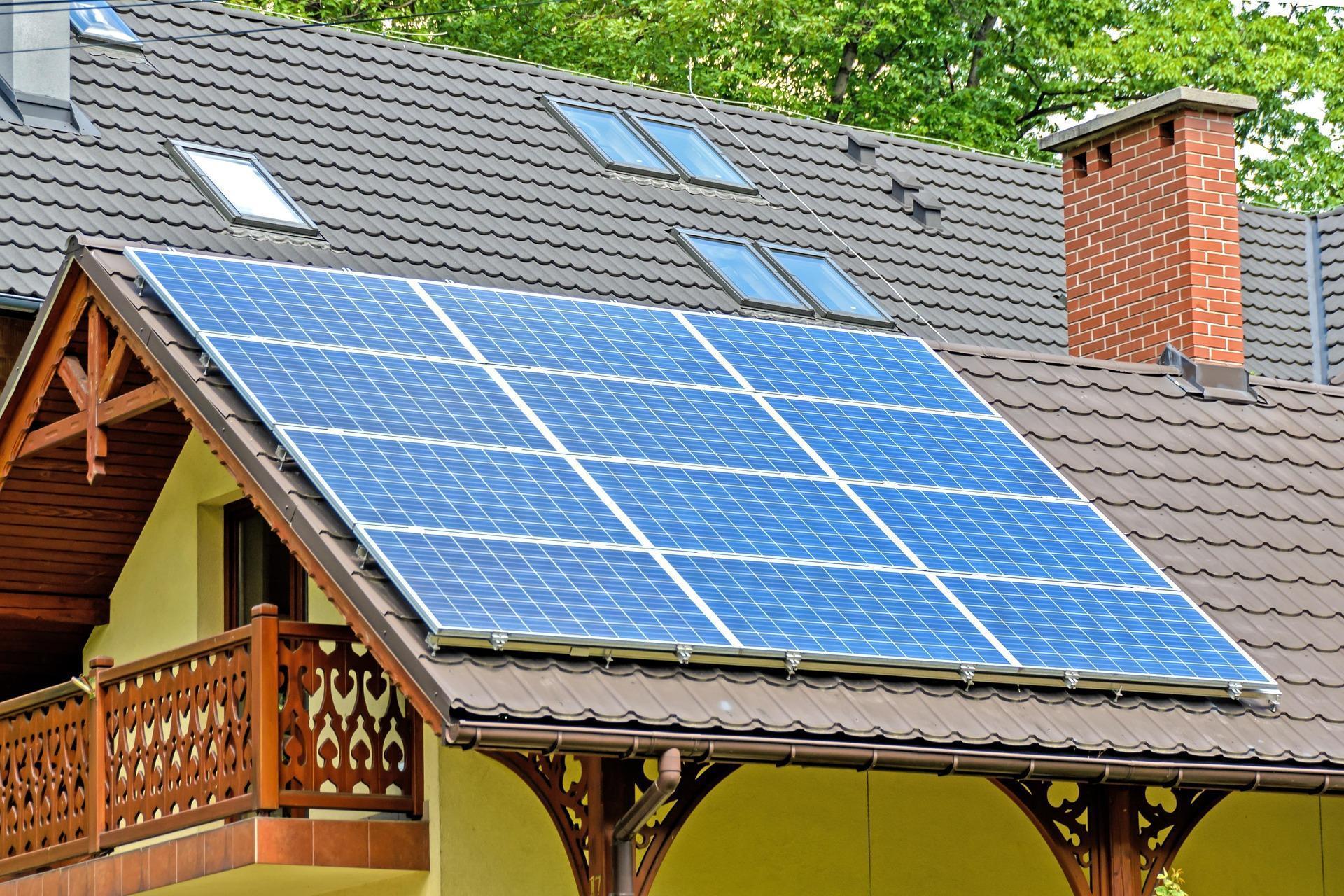
Let’s start with solar, since it’s usually the first upgrade homeowners consider.
According to Green Energy Calculators, the national average solar payback period sits at 8.7 years in 2026, based on a 10 kW system installed at roughly $2.85 per watt before incentives, with an average electricity rate of 16.4 cents per kWh factored in. That’s the headline number, but as always, your specific situation will vary significantly based on where you live.
Where you live determines nearly everything: the size of your electricity bill, how many peak sun hours your roof gets, whether your state offers net metering, and what local rebates stack on top of federal incentives. A homeowner in Massachusetts with strong state programs and higher electricity rates could see payback in under six years. Someone in New Hampshire, where state-level solar support is thin, might be looking at 12 or more years to break even.
The installed cost data backs this up. The Solar Energy Industries Association (SEIA) is reporting a national median installed price of $2.85 per watt before any incentives in 2026 — meaning a 10 kW system runs around $28,500 gross. After the 30% federal ITC (for those who still qualify through commercial channels or prior-year installations), that number drops to roughly $19,950. But for most homeowners going solar fresh in 2026, state incentives and net metering are now doing the heavy lifting that the federal credit used to handle.
Here’s a useful frame for thinking about this: states that have weakened net metering, like California with its NEM 3.0 export rate of roughly 5 cents per kWh, can extend payback by two to three years compared to older calculations. If you’re in California and assuming you’ll get credited for excess power at the old rate, your budget projections are probably off. Run fresh numbers with current net metering rules in your state before committing.
The 25-year picture, however, remains compelling. A well-sized system in a moderate-sun region will typically generate between $42,000 and $55,000 in net savings over its lifespan — returns that beat most conventional investment vehicles on a risk-adjusted basis, especially when you factor in energy price escalation over time.
Practical budgeting tips for solar:
- Get at least three installer quotes; regional labor markets vary by $0.40–$0.60 per watt
- Check your state’s current net metering policy before sizing your system
- Factor in a $0–$500 permit and inspection cost depending on your municipality
- If your roof is more than 10–12 years old, budget for a re-roof before installation
Heat Pumps in 2026: The Upgrade That Quietly Outperforms
Solar gets all the attention, but the heat pump may actually be the more financially impactful upgrade for many homeowners — especially those currently heating with propane, oil, or older electric resistance systems.
EnergySage’s 2026 Marketplace data tells a revealing story here. A typical whole-home heat pump setup costs roughly $8,000 in New Mexico and $33,000 in New York, with a national average of $15,393 before incentives, based on real-world quotes from their marketplace. That covers ducted systems, ductless mini-splits, and hybrid configurations — so the range is wide, but the average gives you a solid anchor for initial budget planning.
What makes the heat pump economics particularly interesting in 2026 is the dual function. These systems handle both heating and cooling, meaning you’re effectively replacing two pieces of equipment with one. When you’re comparing cost, don’t just benchmark against your old furnace — add in whatever you’re spending on central air conditioning, too.
On the savings side, the performance data is consistently strong. Heat pumps typically use 40% to 60% less electricity than traditional electric resistance heaters of the same capacity. If you’re currently on an older electric furnace or baseboard heat, that’s a massive reduction in your monthly energy bill from day one. Homeowners switching from propane or heating oil tend to see even more dramatic savings, given the relatively high and volatile cost of those fuels.
The payback math depends heavily on what you’re replacing. As a rough benchmark: switching from propane or oil heating in a cold climate typically produces payback in the 10–14 year range even without federal incentives. Switching from a natural gas furnace in a mild climate takes longer — natural gas is still cheap enough in many Midwest markets that the operating savings don’t move the needle as fast.
What’s changed in 2026 is cold-climate performance. Modern inverter-driven heat pumps now maintain strong heating capacity well below freezing — some rated to operate at -25°C (-13°F) ambient temperatures. The old objection that “heat pumps don’t work in cold winters” no longer holds for the current generation of equipment. That opens up the economics to a much larger share of the country.
Practical budgeting tips for heat pumps:
- Get a Manual J load calculation done before sizing — oversized systems are inefficient
- Check if your electrical panel needs an upgrade (often adds $1,500–$3,000)
- Ask your utility about demand-response and rebate programs — many offer $500–$2,000 back
- Ductless mini-splits for a single zone can run as low as $2,000–$8,000 installed if you don’t need whole-home coverage
Stacking Upgrades: Where the Real ROI Lives
Here’s what experienced homeowners figure out pretty quickly: the biggest efficiency gains don’t come from doing one big upgrade — they come from doing the right upgrades in the right order.
Air sealing and insulation are unsexy, but they reduce the load that your new heat pump or solar array has to meet. A drafty house with a brand new heat pump will still be a drafty house — just with a more expensive piece of equipment trying to compensate. Similarly, an oversized solar array on a home that’s leaking heat through the attic is leaving money on the table.
If you’re mapping out a multi-year green home improvement plan and want to understand which upgrades return value fastest relative to what you spend, it’s worth looking at how different technologies rank side by side. This breakdown of eco-friendly upgrades that deliver the fastest efficiency gains in 2026 is an excellent resource for building that prioritization framework — it covers the full spectrum of common upgrades and ranks them by how quickly they translate investment into real-world savings.
The sequencing principle it reinforces is smart: reduce waste first, then right-size your energy generation and heating systems. That approach shortens payback timelines across the board.
Building a Realistic Green Home Budget

Let’s put some rough numbers together for a typical homeowner planning a meaningful eco upgrade project in 2026.
Conservative whole-home upgrade scenario (moderate-sun state, gas heat replacement):
- Air sealing + attic insulation: $2,500–$5,000
- Heat pump (ducted, whole-home): $10,000–$18,000
- Solar (7–10 kW system): $20,000–$28,000 gross / $14,000–$20,000 after state incentives
Total invested: $26,500–$51,000 depending on market and choices
Estimated annual savings: $2,500–$4,500 in energy costs
Blended payback range: 8–14 years
25-year net benefit: $25,000–$70,000+
The ranges are wide, which is honest — location, utility rates, system sizing, and available incentives create enormous variance. But the directional story is clear: at today’s installed costs and with typical energy price escalation, these upgrades generate strong financial returns over the useful life of the equipment.
Final Thoughts
Budgeting for a green home in 2026 requires more nuance than it did even two years ago. The loss of the federal solar ITC for residential installs is real, and anyone who doesn’t account for it in their projections will be unpleasantly surprised. But the underlying cost of the technology has dropped dramatically, cold-climate heat pump performance has genuinely improved, and the long-term economics of reducing your dependence on grid electricity and fossil fuels are compelling.
The best approach: start with an energy audit, stack your upgrades intelligently (shell first, mechanical systems second, generation third), and use real 2026 data — not optimistic three-year-old calculators — to build your payback projections. The numbers, when done honestly, still make a compelling case for moving forward.