
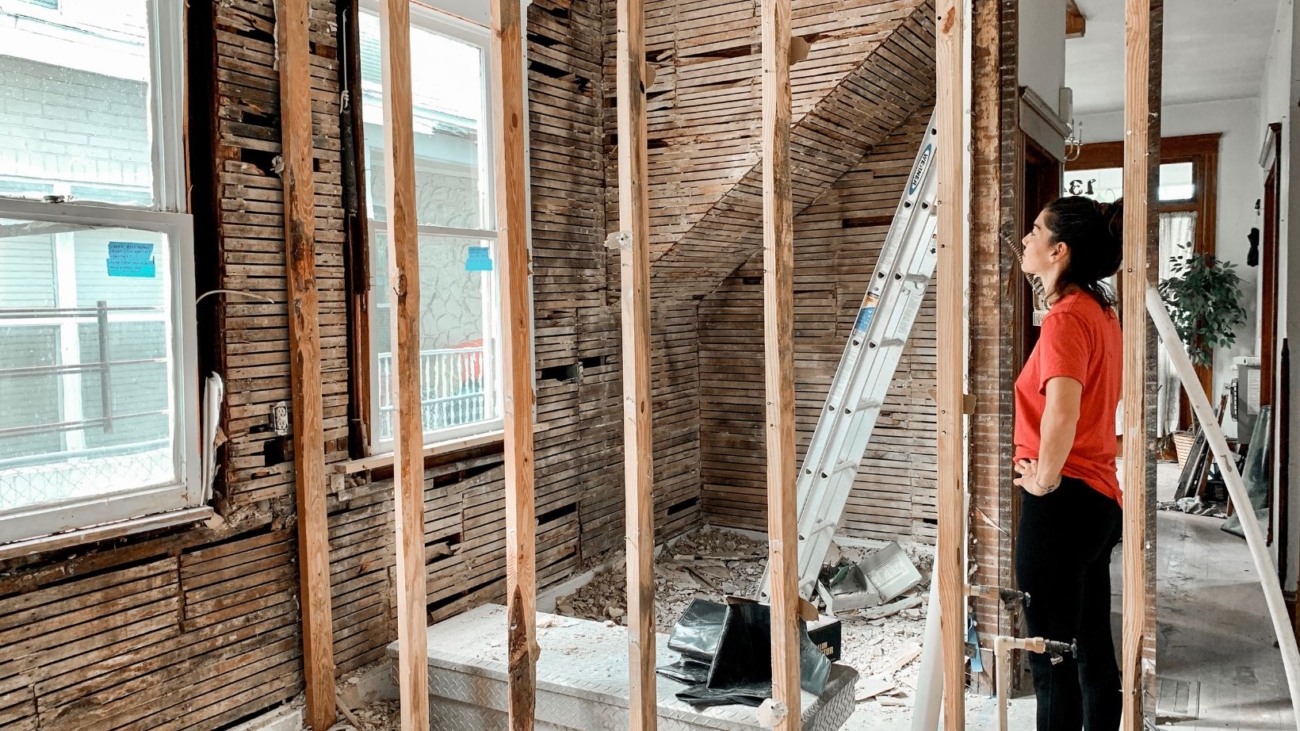
A renovation rarely fails because of a single dramatic decision. It fails because of five or six small oversights that pile up quietly until the budget is gone and the opening date has slipped by months.
For a business, that slip is not just inconvenient; the space is either generating revenue or supposed to start soon, and every extra week is lost trade, delayed occupancy, or a team working around a half-finished floor. Companies spend weeks on layout, finishes, and brand fit, then sign a contract on a handshake and hope for the best. The procedural mistakes get skipped because they feel administrative rather than urgent, and that is exactly why they do the most damage.
A missing scope document, an unvetted contractor, a permit nobody filed, a budget with no room for surprises: none of these show up on a design render, and all of them show up on the P&L.
The eight mistakes below are the ones that turn a manageable commercial renovation into a stressful one, and each has a fix that takes less time than choosing a finish.
8 Renovation Mistakes That Quietly Wreck Business Budgets and Timelines
These are the mistakes that separate a fit-out that finishes on budget and opens on time from one that drags into a second round of financing and a delayed launch.
Starting Work Without a Detailed, Written Scope
A verbal understanding with a contractor is not a scope of work. Without an itemized document listing materials, finishes, systems, and what happens if the plan changes mid-project, every disagreement becomes a matter of memory instead of paper and in a business, more people touch that decision, from operations to finance to the landlord.
Companies that map out every phase of the work before the first wall comes down catch mismatched expectations while they are still cheap to fix. Put the scope in writing before a tool touches the building, and require a signed change order for anything added later. It takes an afternoon and it is the cheapest insurance the entire project will get.
Picking a Contractor on Price Without Vetting Their Stability and Track Record
Price comparisons feel like due diligence, but they are not. Construction bankruptcies hit a multi-year high in 2026, and when a bonded contractor collapses mid-project, completing the work typically runs 15% to 35% above the original contract price, a premium the owner absorbs on top of the delay.
A low bid says nothing about whether a company will still be standing at handover. Check licensing, references, financial stability, and lien or complaint history before signing anything, not after the first missed deadline. For a business, a contractor who vanishes mid-job does not just cost money; it pushes back the day you can open the doors and start earning.
Not Confirming How Your Contractor Tracks Progress and Budget
Ask before signing whether progress and spending will be tracked anywhere besides a paper invoice, because at commercial scale, budgets die in the change orders and scope creep that a stack of invoices only reveals after the fact. The contractors who catch that early are usually the ones running construction management software like Ressio built for job costing, not spreadsheets stitched together after the fact.
That habit is becoming the norm rather than the exception. BuiltWorlds’ 2024 Annual Project Management & Oversight Benchmarking Report found that 70% of survey respondents in construction and real estate now use a project management solution on every project. Insist on reporting you can actually put in front of finance and stakeholders.
Overlooking Window and Glass Condition Before Work Starts
Windows and glass get treated as a finishing touch instead of an operating decision, and for a commercial building that is backward. Glazing drives HVAC load, energy bills, and, for any customer-facing space, the face the business shows the street. The glazing companies worth hiring are the ones running on dedicated Glazier Software to price jobs accurately and schedule crews, rather than guessing at both.
The math backs this up. Recent research in Results in Engineering found that windows can account for up to 40% of a building envelope’s heat loss, which turns poor glazing into a recurring line on every future utility bill rather than a one-time cosmetic choice. Get it right during the renovation, when the crews and scaffolding are already there.
Skipping or Ignoring Permit Requirements
Working without a permit feels like a shortcut until an inspector issues a stop-work order that halts trade, or unpermitted work surfaces at lease-end or sale and becomes the other side’s leverage. Commercial permitting is heavier than most owners expect: occupancy, fire, accessibility, health, and signage can each carry their own approval, and insurance claims get denied on the same technicality.
Businesses that bring in someone who manages permitting and site design as part of the job avoid most of that guesswork. Confirm what the project needs before demolition starts, not after an inspector shows up, an unpermitted fit-out can also jeopardize the certificate of occupancy you need to legally operate.
Underestimating How Long the Project Will Actually Take
Renovation timelines get built around the construction phase and ignore the planning phase entirely, which is exactly backward. Design sign-off, permitting, and material and equipment lead times eat far more calendar time than the actual build, and for a business, every week of that is overhead running against a space that is not yet earning.
A 2026 survey of North American construction found that budget and schedule overruns are the norm on more than three-quarters of projects. Build the schedule around planning and procurement, not just the build, and price the downtime, a closed storefront or a delayed office move has a weekly cost, and it belongs in the plan.
Hiring a Crew Without Checking How It Trains Its People
The quality of a renovation depends less on the contractor’s sales pitch than on the crew doing the actual work. That, in turn, comes down to how seriously a company takes employee training.
For a business, sloppy work is not just a defect — it means rework, warranty callbacks, and more disruption to operations you were trying to get back to normal.
The gap between companies is real and growing. Associated Builders and Contractors’ 2024 Workforce Development Survey found that, among ABC member contractors, trade and specialty firms’ share of total workforce training investment grew from 42% in 2022 to 50% in 2023.
Skipping a Contingency Fund for the Unexpected
Every renovation uncovers something the original quote did not account for: old wiring, water damage behind a wall, a structural issue nobody flagged during the walkthrough. That kind of surprise is closer to the rule than the exception in any building older than a decade, and a mid-project cash scramble can stall the job and push your opening.
A contingency fund is just math: money held back for the problems no initial quote could have predicted, built into the capital budget from the start rather than scrambled for mid-project. Businesses working with a professional who tracks project costs line by line size that cushion realistically instead of discovering they needed one halfway through.
Where to Start
If you only fix one thing on this list, fix the scope of work. Every other mistake here, the unvetted contractor, the untracked budget, the skipped permit, the missing contingency, gets far less costly once there is a clear, written plan everyone agreed to before work began. Renovations rarely fail all at once. They fail one undocumented decision at a time, and for a business the bill is measured in lost trading days, not just change orders.
Most companies do not need a bigger budget. They need someone independent looking at the plan before the first deposit changes hands, not after the second change order. HouseReal’s consultancy team reviews renovation plans, contracts, and contractor quotes before you commit to anyone, flagging the gaps that turn into disputes, delays, and downtime later. Book a call with HouseReal’s team to have your renovation plan reviewed before you sign with a contractor.