
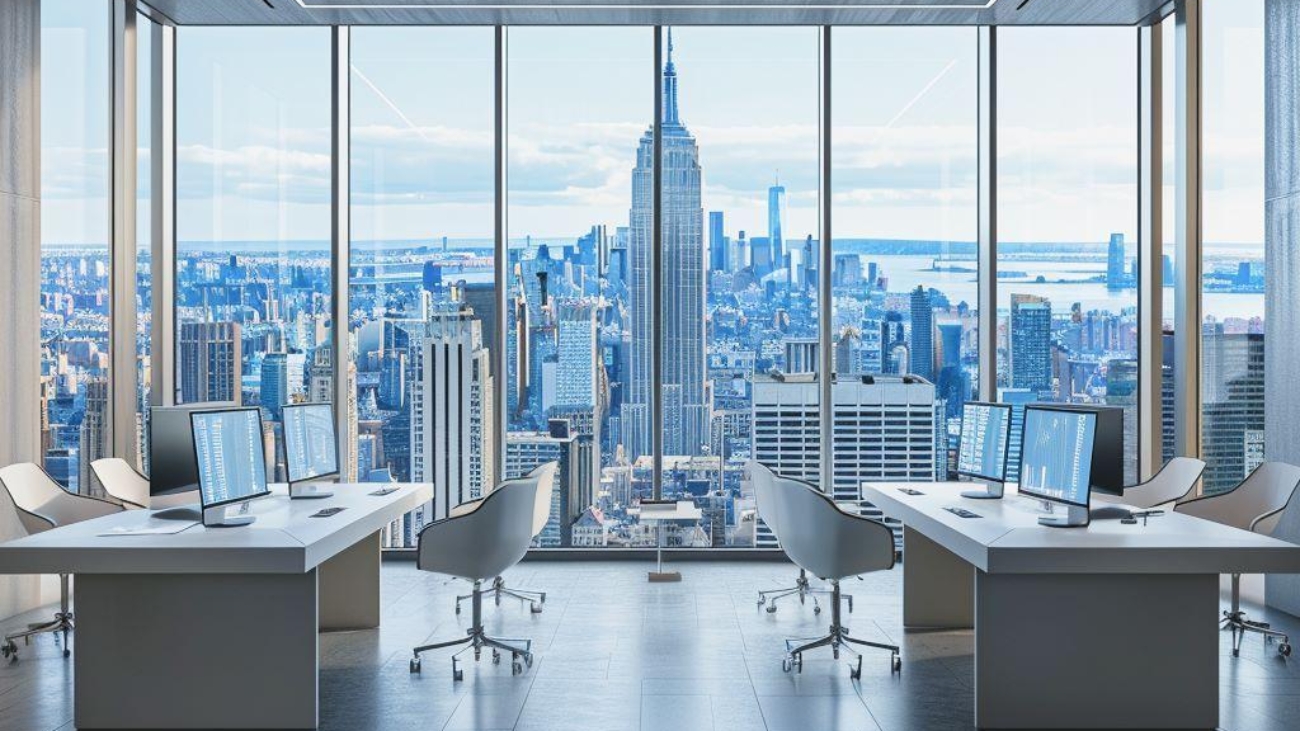
The decision of where to base your business has changed dramatically in the last five years. In 2021, the conversation was dominated by uncertainty and crisis management. Now, in 2026, it is defined by strategy and optimization. The traditional formula of calculating headcount and signing a long-term lease for a glass tower is obsolete. Today, business leaders face a more sophisticated challenge: balancing hybrid work demands, financial flexibility, sustainability commitments, and the increasing convergence of professional and personal lifestyles.
For modern executives and entrepreneurs, “business space” no longer refers strictly to a commercial office. It encompasses a distributed ecosystem that ranges from collaborative corporate hubs to private, luxury executive sanctuaries. This guide provides a practical framework for navigating these decisions to ensure your space serves your goals.
The New Reality of Real Estate
The commercial real estate market has shifted fundamentally. While traditional office usage has declined by approximately 27% per employee compared to pre-pandemic levels, the demand for quality has skyrocketed. Companies are shedding generic, low-amenity cubicle farms in favor of dynamic environments that actively attract talent.
The most consequential change is that the office is no longer just a place to sit at a desk. It has evolved into a strategic asset for culture, collaboration, and community. This distinction shapes every subsequent decision about location, size, and design.
Location Intelligence: Accessibility Meets Lifestyle
Choosing a location remains the single most critical decision because it is the only variable you cannot change later. However, the criteria for a “prime location” have evolved. It isn’t just about being in the central business district anymore; it is about the “commute-to-value” ratio.
Connectivity is Non-Negotiable
Research consistently shows that employees view difficult commutes as a significant barrier to office attendance. Locations near reliable public transportation and major transit arteries command higher satisfaction rates. However, accessibility now includes digital connectivity as well as physical. The infrastructure must support seamless hybrid work.
The Rise of the Executive Hub
For business owners and C-suite executives, the location decision often overlaps with personal lifestyle choices. High-net-worth individuals are increasingly looking for locations that offer a seamless blend of luxury living and high-level connectivity.
This is particularly evident in global hubs like the UAE. For example, a business leader searching for a mansion for sale in Abu Dhabi is often looking for more than a residence; they are seeking a private headquarters. Developments like Jubail Island exemplify this trend. Located between Yas Island and Saadiyat Island, these areas offer a sanctuary for focused work amidst mangroves and biodiversity, while remaining minutes away from the city’s commercial heart. This proximity allows leaders to maintain a prestigious, peaceful base of operations without sacrificing access to partners and clients.
Right-Sizing: Quality Over Quantity
Once the location is selected, the next step is determining how much space is actually needed. The “one person, one desk” model is effectively dead for most industries.
The New Space Standards
In 2019, the standard was roughly 200-220 square feet per employee. In 2026, efficient hybrid models often operate on:
- 140-180 square feet per person for general hybrid setups.
- 120-155 square feet per person for activity-based working.
The goal is not just to reduce the footprint but to repurpose it. If you have 1,000 employees but only 70% are in the office on a peak day, you do not need 1,000 desks. You might need 600 desks and a significantly larger allocation for collaboration hubs, quiet focus pods, and wellness areas.
Avoiding the “Empty Desk” Cost
Leasing unused space is a major financial drain. Data indicates that companies can waste hundreds of thousands of dollars annually on carrying costs for underutilized space. The smart move in 2026 is to build a 10-20% flexibility buffer for growth, but leverage coworking or flexible service agreements for project-based spikes. This converts fixed costs into variable ones, protecting your bottom line.
Design for “Meeting Equity”
The biggest design failure in modern offices is creating spaces that alienate remote participants. If half your team is dialing in, your physical space must accommodate them.
- Virtual Presence Enablement: Meeting rooms require broadcast-quality audio and video. Cameras should be positioned to include remote participants naturally in the conversation, ensuring “meeting equity.”
- Focus Zones: Open plans are great for collaboration but terrible for deep work. Dedicated quiet zones or private home offices in executive estates are essential for tasks requiring intense concentration.
- Biophilic Design: Integrating nature is no longer a trend; it’s a productivity tool. Access to natural light, indoor plants, and outdoor views improves mental health and reduces burnout. This is why developments centered around nature, such as the mangrove-rich landscapes of Bada Al Jubail, are seeing increased interest from the business elite.
Sustainability as a Financial Imperative
Sustainability has transitioned from a corporate responsibility initiative to a financial requirement. Green-certified buildings (LEED, BREEAM, or local equivalents like Estidama) demonstrate lower operating costs and higher asset value.
Energy Efficiency and ESG
Modern businesses must account for Environmental, Social, and Governance (ESG) criteria. Efficient HVAC systems, LED lighting, and smart building sensors that adjust cooling based on occupancy can reduce energy costs by up to 25%.
Furthermore, aligning your business location with sustainable communities sends a powerful message. Corporate Social Responsibility (CSR) opportunities, such as mangrove planting or environmental preservation initiatives available in eco-conscious developments, allow businesses to tangibly demonstrate their commitment to the planet.
Financial Agility: Lease vs. Ownership
Finally, the structure of your commitment matters. The days of rigid, 15-year leases are waning for many agile companies.
- Flexibility Terms: Smart tenants negotiate for break clauses and expansion rights.
- The Ownership Advantage: For established businesses and family offices, purchasing real estate remains a hedge against inflation. Owning a strategic asset—whether a commercial floor or a high-end villa that serves as a regional base—provides stability and capital appreciation that leasing cannot match.
Making the Decision
Choosing the right space in 2026 requires looking beyond the brochure. It demands a holistic view of how your team works, how your executives live, and what your brand stands for.
Whether you are optimizing a corporate lease in a city center or securing a private estate to serve as a family office headquarters, the principles remain the same: prioritize connectivity, embrace sustainability, and ensure the space enhances the human experience of work.
Meta data