
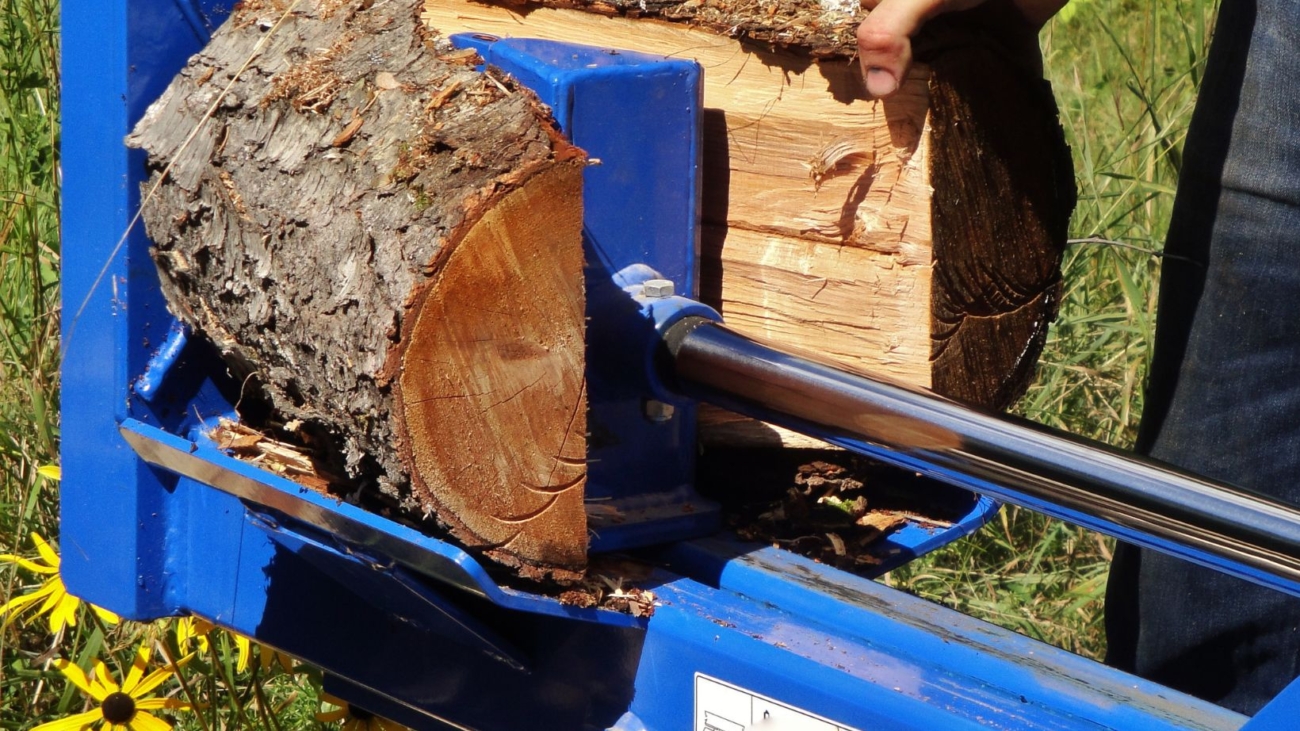
A wood splitter is one of the hardest-working pieces of equipment on a rural property, and like any powerful machine, it rewards users who operate it safely and maintain it properly. Whether you’re using a compact electric unit or a heavy-duty 30-ton gas splitter, the practices in this guide will keep your machine running well, protect you from injury, and make your firewood season more efficient year after year.
Wood Splitter Safety: The Rules That Matter
Log splitters are powerful, fast-moving machines that have caused serious injuries when operated carelessly. The following safety practices aren’t suggestions — they’re the baseline for every session.
Never Use Two Hands Near the Wedge
The most common cause of serious wood splitter injuries is getting a hand near the wedge while the ram is moving. Modern splitters have two-hand controls specifically to prevent this — both hands must be on the controls to activate the machine, which keeps them away from the work area.
Understand how your specific machine’s controls work before you start. Never override or jury-rig the two-hand control. And never reach near the wedge or the path of the ram while the machine is running.
Keep a Clear Work Area
Before you start splitting, organize your work area. Stack rounds you’re splitting away from the machine so they’re easy to grab without leaning awkwardly. Place a stable platform or pad under large rounds so they don’t roll. Designate a place for split pieces to land and clear it regularly so you’re not working around a pile of wood underfoot.
Keep bystanders — especially children and pets — well away from the machine while it’s operating. A piece of wood can kick out unpredictably, and the area around an operating splitter is not a safe place to observe from.
Wear the Right Gear
Safety glasses are non-negotiable. Wood chips and bark fragments travel fast and in unpredictable directions. Steel-toed boots protect against dropped rounds and split pieces that slide off the beam. Heavy work gloves protect your hands from splinters while handling rough rounds.
Avoid loose clothing that can catch on moving parts. Log splitting isn’t a job for flip-flops or sneakers.
Watch for Tension in Knotty or Curved Rounds
Wood that’s knotted, curved, or has significant grain variation can split unpredictably. When a round is under pressure from the wedge and releases unexpectedly, the energy has to go somewhere — often sideways, and fast.
Position yourself off to the side of the beam rather than directly behind or in front of it. Don’t try to hold a piece steady with your hands as it’s being split; let the machine do its work.
Operating Efficiently: Getting More Done in Less Time
Safety first — but efficiency matters too. A few operational habits make wood splitting sessions significantly more productive.
Sort by Size Before You Start
Before you fire up the machine, take a few minutes to roughly sort your rounds into size categories. Working through a consistent size before switching means you make fewer adjustments and find a rhythm that keeps the session moving. Large-diameter rounds first (while your energy is highest), then work down to smaller pieces.
Work in Stages for Large, Dense Rounds
For oversized or particularly difficult rounds, work in stages rather than forcing a single full split. Take off a slab from one side first to give the wedge a flat surface to work against on the next pass. This technique reduces strain on the machine and produces cleaner splits than forcing a large round head-on.
Use Vertical Mode for the Big Stuff
If your splitter has a vertical operation mode (most mid-range and larger gas splitters do), use it for heavy rounds rather than struggling to lift them onto the beam. Tipping the machine to vertical and rolling the round into position is faster, safer, and easier on your back.
Maintenance: Keeping Your Splitter Running Season to Season
A well-maintained log splitter will last for decades. A neglected one will give you headaches from the first season.
Hydraulic Fluid
The hydraulic system is the heart of your splitter. Check the fluid level before every use and top it off as needed with the manufacturer-specified fluid type. Low fluid causes sluggish operation and can damage the pump over time.
Change the hydraulic fluid according to your manual’s schedule — typically every season or every 100 hours of use, whichever comes first. Old fluid loses its lubricating and heat-dissipating properties and can cause premature wear.
Inspect the hydraulic lines periodically for cracks, leaks, or abrasion damage. A slow hydraulic leak will eventually strand you mid-season.
Engine Maintenance (Gas Splitters)
Gas-powered splitters run horizontal-shaft small engines similar to those in lawn mowers. Follow the same maintenance schedule:
- Check oil level before each use. Change oil at the start of the season and every 50 hours of use.
- Replace the air filter annually or when dirty — a clogged air filter restricts performance and increases fuel consumption.
- Check and clean the spark plug annually; replace it every 100 hours.
- Use fresh fuel. Old gasoline is a leading cause of small engine starting problems. Add fuel stabilizer to any gas stored for more than 30 days.
Wedge and Beam Inspection
Inspect the wedge for cracks, chips, or mushrooming of the metal. A damaged wedge splits wood less cleanly and more dangerously. Keep the wedge surfaces clean — a light coat of oil or bar and chain lubricant reduces friction and makes splitting easier.
Check the beam for straightness. Bent beams cause the ram to track improperly, which accelerates wear on seals and the cylinder.
Off-Season Storage
When firewood season is over, clean the machine thoroughly. Drain and replace the hydraulic fluid if it’s due, change the engine oil so the machine doesn’t sit with acidic used oil over the off-season, and add fuel stabilizer if there’s gas in the tank.
Store the splitter in a covered location if possible, or cover it with a weatherproof tarp. A little off-season care makes a significant difference in how the machine starts and runs at the beginning of the next season.
A Machine That Earns Its Place
A quality log splitter that’s operated safely and maintained properly is one of the most reliably useful pieces of equipment you’ll own. The investment in good habits from the start — both safety habits and maintenance habits — pays back every season in reliable performance, long machine life, and a firewood operation that runs smoothly from first round to last.
Split smart, maintain consistently, and your machine will be ready when you are.