
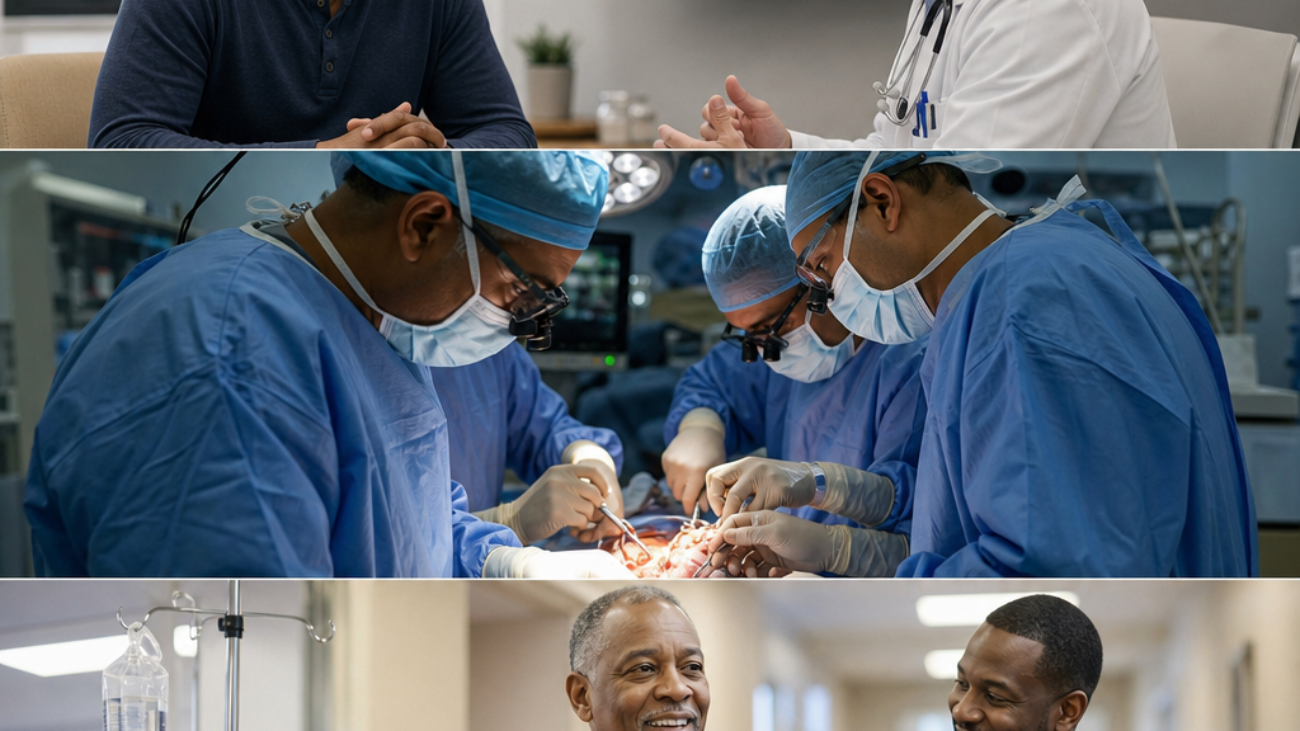
A heart transplant is one of the most complex and life-altering medical procedures a person can undergo. For patients living with end-stage heart failure, it often represents the final option when all other treatments have been exhausted. Understanding the full journey — from evaluation and surgery to long-term recovery — can help patients and their families approach this process with clarity, realistic expectations, and a sense of empowerment. This article explores the key stages of a heart transplant, what modern medicine has made possible, and how specialized cardiac centers are transforming outcomes for patients around the world.
Understanding End-Stage Heart Failure and Transplant Eligibility
Heart failure progresses in stages, and not every patient with a weakened heart will require a transplant. However, when the heart can no longer pump enough blood to meet the body's demands — despite optimal medical therapy, lifestyle changes, and device-based interventions — transplantation becomes a serious consideration. Physicians evaluate candidates based on a range of criteria, including age, overall health, kidney and liver function, psychological readiness, and the absence of conditions that could compromise post-transplant outcomes.
Common conditions that lead to transplant candidacy include dilated cardiomyopathy, ischemic heart disease, congenital heart defects, and certain arrhythmias that have caused irreversible damage. The evaluation process is thorough and multidisciplinary, involving cardiologists, transplant surgeons, social workers, nutritionists, and mental health professionals. This comprehensive approach ensures that only those most likely to benefit from the procedure are placed on the transplant waiting list.
The Waiting Period: Navigating Uncertainty
Once a patient is listed for a heart transplant, the waiting period begins — and it can last anywhere from weeks to years. During this time, patients must remain medically stable, often requiring hospitalization or close outpatient monitoring. Some may be supported by mechanical circulatory devices such as left ventricular assist devices (LVADs), which help the heart pump blood while a donor organ becomes available. The emotional toll of waiting cannot be understated. Patients and families must balance hope with uncertainty, and psychological support during this phase is just as important as physical care.
The Surgery Itself: A Remarkable Medical Achievement
When a compatible donor heart becomes available, the transplant team moves quickly. The donor organ must be transplanted within a narrow window — typically four to six hours — to remain viable. The recipient is placed on cardiopulmonary bypass, which takes over the function of the heart and lungs during the procedure. The diseased heart is removed, and the donor heart is carefully sutured into place. The entire surgery typically takes between four and eight hours, depending on the complexity of the case.
Modern surgical techniques have dramatically improved the precision and safety of heart transplantation. Advances in organ preservation, immunosuppressive therapy, and post-operative monitoring have contributed to significantly better survival rates compared to earlier decades. Today, more than 85 percent of heart transplant recipients survive the first year, and many go on to live active, fulfilling lives for a decade or more.
Immediate Post-Operative Care
Following surgery, patients are transferred to an intensive care unit where they are closely monitored for signs of organ rejection, infection, and other complications. The new heart must be supported as it adjusts to its new environment, and medications are carefully titrated to prevent the immune system from attacking the donor organ. Patients typically remain in the hospital for two to four weeks, though this varies based on individual recovery progress. Physical therapy begins early to rebuild strength and cardiovascular endurance.
Life After Transplant: Recovery, Resilience, and Gratitude
Recovery from a heart transplant is a long-term commitment. Patients must take immunosuppressive medications for the rest of their lives to prevent rejection, attend regular follow-up appointments, and make significant lifestyle adjustments. Despite these demands, many recipients report a profound improvement in quality of life. Activities that were once impossible — walking up stairs, playing with grandchildren, returning to work — become achievable again. The psychological transformation that accompanies physical recovery is equally remarkable.
One powerful example of this transformation comes from a heart transplant patient who returned to honor the medical team that saved his life, a story that illustrates the deep bond that forms between transplant recipients and their caregivers. These moments of gratitude reflect not just personal recovery, but the extraordinary human effort behind every successful transplant.
Managing Rejection and Long-Term Complications
Rejection remains one of the most significant risks after a heart transplant. The immune system is designed to attack foreign tissue, and even with immunosuppressive therapy, episodes of acute rejection can occur — particularly in the first year. Patients undergo regular biopsies of the heart muscle to detect early signs of rejection before symptoms develop. Chronic rejection, also known as cardiac allograft vasculopathy, is a longer-term concern that affects the coronary arteries of the transplanted heart and requires ongoing surveillance and management.
Infections are another major concern, as immunosuppressive drugs weaken the body's natural defenses. Patients must be vigilant about hygiene, avoid exposure to sick individuals, and receive certain vaccinations before transplantation. Despite these challenges, the vast majority of transplant recipients are able to manage their health effectively with the right medical support and personal discipline.
Cleveland Clinic Abu Dhabi: A Center of Excellence in Cardiac Transplantation
For patients in the Middle East and beyond seeking world-class cardiac care, Cleveland Clinic Abu Dhabi stands as a beacon of excellence. The institution brings together internationally trained specialists, cutting-edge technology, and a patient-centered philosophy that mirrors the standards of the world's top cardiac centers. Whether a patient is in the early stages of evaluation or preparing for surgery, the team at Cleveland Clinic Abu Dhabi provides comprehensive, compassionate support at every step. Their heart transplant program is designed to deliver the highest level of care, combining surgical expertise with robust post-transplant follow-up to maximize long-term outcomes.
The Emotional and Psychological Dimensions of Transplantation
Beyond the physical aspects of transplantation, the emotional journey deserves equal attention. Many recipients experience a complex mix of emotions — gratitude, survivor's guilt, anxiety about rejection, and a renewed sense of purpose. Mental health support, peer counseling, and transplant support groups play a vital role in helping patients process these feelings and build a healthy psychological foundation for their new life. Families, too, are deeply affected by the transplant experience and benefit from access to counseling and educational resources.
For those seeking guidance on what life truly looks like after surgery, expert insights on life after a heart transplant from Mayo Clinic offer a thorough and reassuring overview of what patients can realistically expect in the months and years following their procedure.
Conclusion: A Second Chance Worth Fighting For
A heart transplant is not the end of a difficult journey — it is the beginning of a new one. With the right medical team, a strong support network, and a commitment to long-term self-care, transplant recipients can go on to live meaningful, active lives. The science behind cardiac transplantation continues to evolve, with researchers exploring new immunosuppressive strategies, biomarkers for early rejection detection, and even the potential of bioengineered organs. For patients facing end-stage heart failure today, there is more reason for hope than ever before. The path is demanding, but for those who walk it, the reward is nothing less than a second chance at life.