
Every NYC apartment search eventually hits the same fork in the road: furnished or unfurnished? It sounds like a question about taste – do you want to bring your own couch or not – but it’s really a question about money, timing, and how long you plan to stay.
Get it right and you save thousands. Get it wrong and you either overpay every month for furniture you didn’t need, or you blow your savings outfitting a place you’ll leave in a year.
Here’s how to actually run the numbers.
What “Furnished” Actually Costs
Furnished apartments carry a premium, and it’s not small. A furnished unit commonly rents for 15% to 30% more per month than the same apartment empty, and the gap widens for fully furnished, utilities-included setups.
In New York, where a one-bedroom already runs several thousand dollars, that premium translates into real money – often a few hundred extra dollars every single month.
On paper, that makes furnished look like the expensive option. And over a long enough timeline, it can be.
But that monthly premium is buying you something specific: zero upfront furniture cost, no delivery headaches, and the ability to move in with a suitcase instead of a moving truck.
Whether that’s worth it comes down to the other side of the ledger.
What “Unfurnished” Really Costs
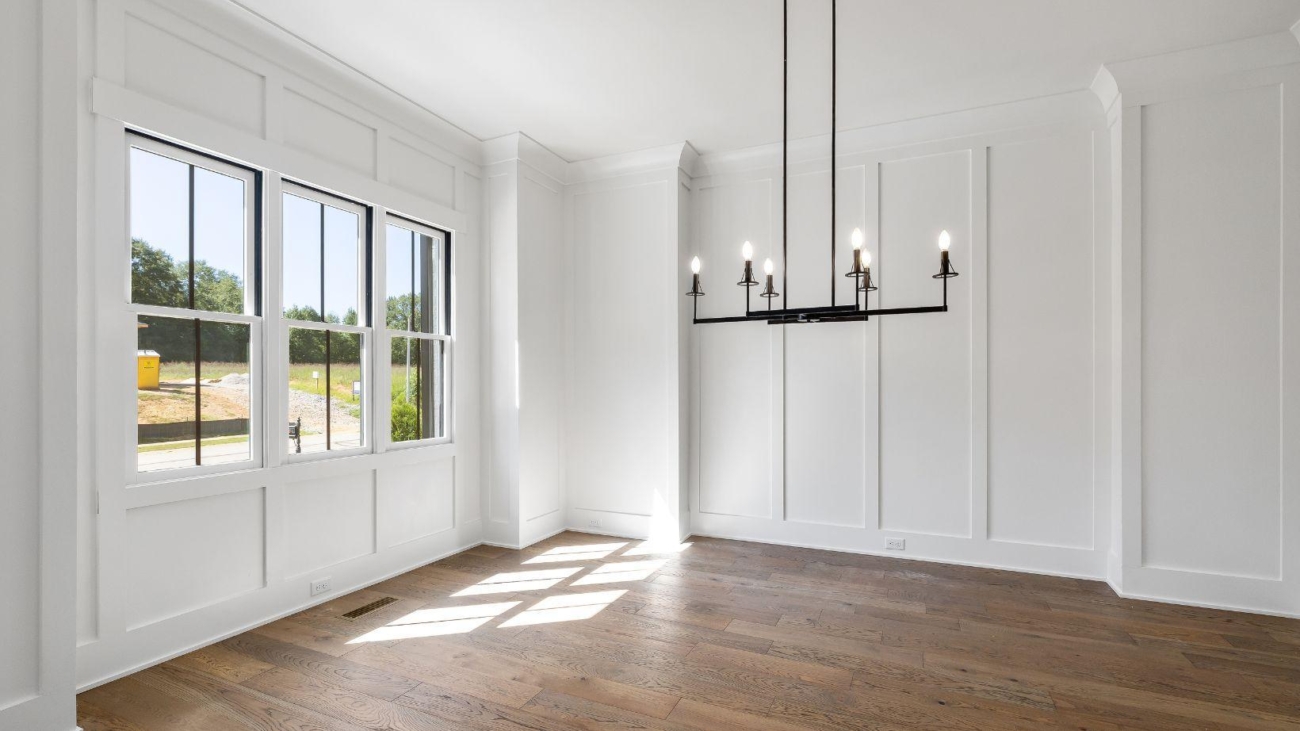
An empty apartment looks cheaper until you price out filling it.
Furnishing a place from scratch in 2026 is a genuine expense: a living room runs $3,800 to $5,700, a bedroom $2,700 to $4,100, and a dining setup another $1,900 to $2,600 – and that’s before you’ve bought a single lamp or set of sheets.
Furnish a full studio and you’re looking at $8,000 to $15,000; a one-bedroom climbs to $12,000 to $18,000.
Even the budget route – secondhand finds, flat-pack basics, hand-me-downs – rarely comes in under a couple thousand dollars once you add up a bed, a desk, seating, and a kitchen you can actually cook in. And unlike rent, that’s cash due all at once, right when you’re already paying a deposit and first month.
For a lot of renters, the furniture bill is the hidden budget-breaker of an “affordable” unfurnished lease.
The Break-Even Math: When Furnished Wins
Here’s the simple way to decide. Take the monthly furnished premium – say $500 – and compare it to what furnishing the place yourself would cost.
If outfitting an unfurnished apartment runs you $6,000, then at $500 a month, furnished “pays for itself” for roughly the first twelve months.
Stay longer than that and unfurnished starts pulling ahead. Stay less – a year or under – and furnished is almost always the smarter financial call.
That’s the crux of it: furnished vs. unfurnished is really a question about how long you’re staying. Short, uncertain, or transitional stays favor furnished. Long, settled, put-down-roots stays favor unfurnished. Everything else is detail.
Who Should Rent Furnished (and Who Shouldn’t)
Run through the profiles and the answer usually sorts itself out. Furnished tends to win for:
- Newcomers and relocators who don’t own furniture and don’t want to buy it for a city they’re still testing.
- Interns, students, and contract workers on stays measured in months, not years.
- Remote workers and frequent movers who value the freedom to leave without selling a couch on the sidewalk.
For anyone in those groups, the cleanest option is often a furnished room rather than a whole furnished apartment – you skip both the premium of a full unit and the cost of furnishing one.
Resources offering furnished rooms for rent in NYC bundle the furniture, utilities, and Wi-Fi into a single monthly payment with flexible terms, which is about as close as the city gets to a move-in-ready deal.
Unfurnished, by contrast, makes the most sense for long-term renters, couples combining households, and anyone who already owns furniture worth moving.
The Hidden Factors Beyond Price
Price sets the frame, but a few non-obvious factors decide close calls. Flexibility is the big one: furnished lets you relocate for a job or bail on a bad neighborhood without a fire sale of your belongings.
Moving costs cut the same way – a furnished move is a few bags and a subway ride; an unfurnished move is a truck, a crew, and a lost weekend. And there’s the exit math nobody plans for: furniture you paid thousands for often sells for pennies when you leave, or costs money to store or haul.
On the other hand, unfurnished gives you control. Your own bed, your own taste, no living with a landlord’s beige sofa. For renters planting roots, that ownership is worth real money and real comfort over the years.
How to Decide, in Order
- Start with your timeline. Under a year almost always points to furnished; several years points to unfurnished.
- Price both paths fully. Add the furnished premium over your expected stay, then compare it to the real all-in cost of furnishing an empty unit.
- Factor the move. Count moving trucks, storage, and the resale loss on furniture when you leave.
- Weigh flexibility. If your job or plans could change, put a dollar value on being able to move freely.
- Consider a furnished room as the middle path – lower cost than a full furnished apartment, none of the furnishing outlay.
Frequently Asked Questions
- How much more does a furnished apartment cost in NYC? Typically, 15% to 30% more per month than the same unit unfurnished, and sometimes more for premium, utilities-included setups.
- Is it cheaper to furnish an apartment myself? Only if you stay long enough. Furnishing runs several thousand dollars up front, so it usually pays off over multiple years – not over a single lease.
- What’s the best option for a short stay? Furnished, and often a furnished room specifically – you avoid both the full-unit premium and the cost and hassle of buying furniture you’ll abandon.
There’s no universally “right” answer here – only the right answer for your timeline and your budget. Do the math honestly, count the costs everyone forgets, and the choice between furnished and unfurnished stops being a guess and becomes what it should be: a decision you can defend down to the dollar.