
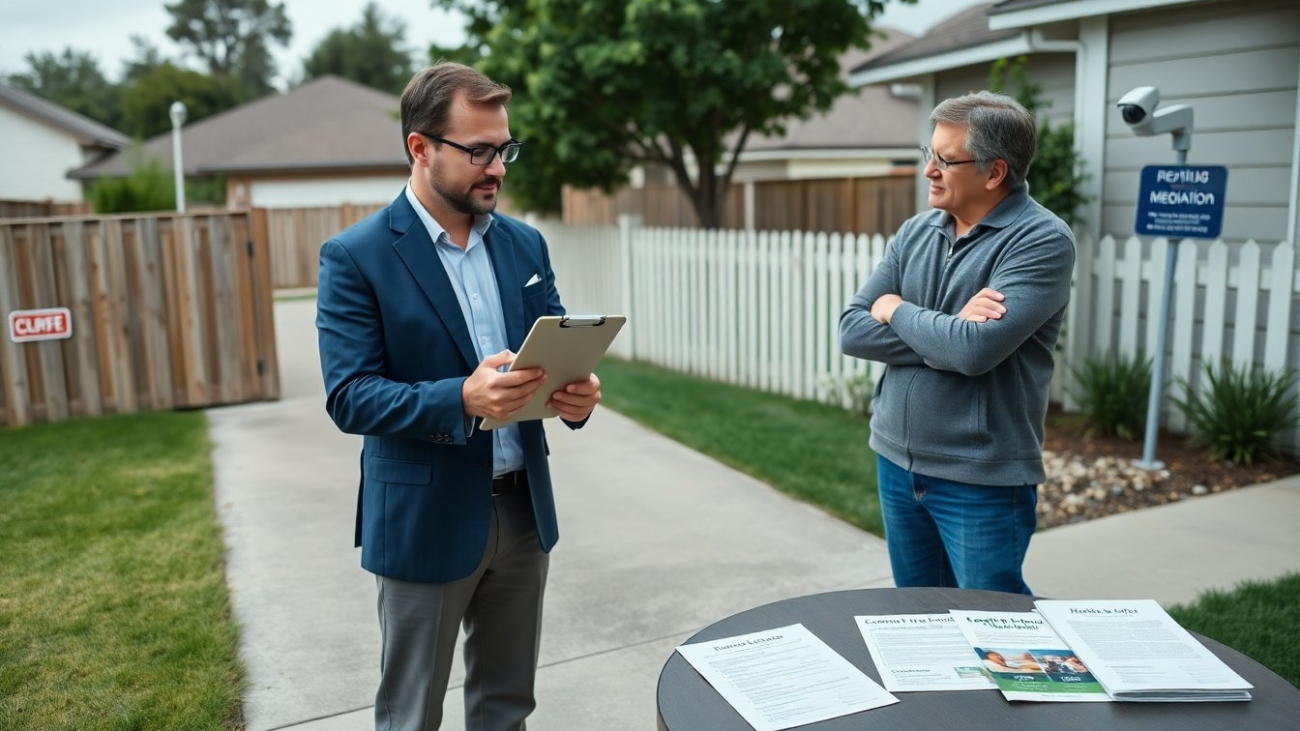
A person finds neighbor issues housereal at home. The person notes noise, property, privacy, or safety problems. The person decides to act calmly and clearly. This article shows steps to identify, talk, document, and use community resources. The reader learns practical actions they can take today.
Key Takeaways
- Identifying the specific neighbor issues housereal, such as noise, property damage, privacy, or safety, helps prioritize effective responses.
- Approach neighbors calmly and respectfully using clear, simple communication to de-escalate tensions and foster cooperation.
- Use prepared scripts and choose appropriate times to discuss concerns, ensuring conversations remain constructive and solution-focused.
- Document all incidents factually with dates and times, and understand your local laws and HOA regulations before pursuing further action.
- Explore mediation and community resources as practical, non-confrontational ways to resolve neighbor issues housereal before considering legal steps.
Identify The Problem Clearly: Noise, Property, Privacy Or Safety?
Neighbors face many kinds of neighbor issues housereal. A person hears late-night noise. A person finds property damage. A person sees privacy breaches. A person notices safety hazards like loose fencing or broken lights. The person lists facts: what happened, when it happened, and who was involved. The person separates feelings from facts. The person prioritizes safety first. The person uses clear labels: noise, property, privacy, or safety. The person decides next steps based on that label.
Talk With Your Neighbor Respectfully To De‑escalate Tensions
A person prepares to speak before confronting a neighbor issues housereal. The person chooses a calm time to talk. The person avoids blaming words. The person uses short statements like “I hear loud music after 10 p.m.” The person listens when the neighbor replies. The person keeps the tone low and the sentences simple. The person offers small solutions such as adjusting hours or trimming branches. The person notes outcomes and plans a follow-up if needed.
What To Say And When To Talk: Simple Scripts And Timing Tips
A person picks morning or early evening to speak. A person avoids late nights and high-stress moments. Use this script: “I live next door. I hear loud noise after 10 p.m. Can we agree on quieter hours?” A person uses this script for property: “I found some damage to my fence. Did you see this?” A person uses this script for privacy: “Your cameras point toward my yard. Can we change the angle?” A person ends the talk with a clear next step.
Document The Issue And Know Your Rights
A person records neighbor issues housereal before taking legal steps. The person keeps dates, times, and short notes. The person checks local noise laws and property rules. The person reads HOA rules when applicable. The person learns basic tenant or homeowner rights from local government sites. The person avoids threats and keeps records factual. The person shares the records with authorities or mediators if the issue continues.
Use Mediation, Community Resources, And HOA Options Before Suing
A person tries mediation before filing lawsuits over neighbor issues housereal. A person contacts a community mediation service or local dispute center. A person asks the HOA to review violations when the property falls under HOA rules. A person brings records and concise points to mediation. A person aims for a practical agreement that both sides can follow. A person keeps communication professional and focused on solutions rather than blame.