
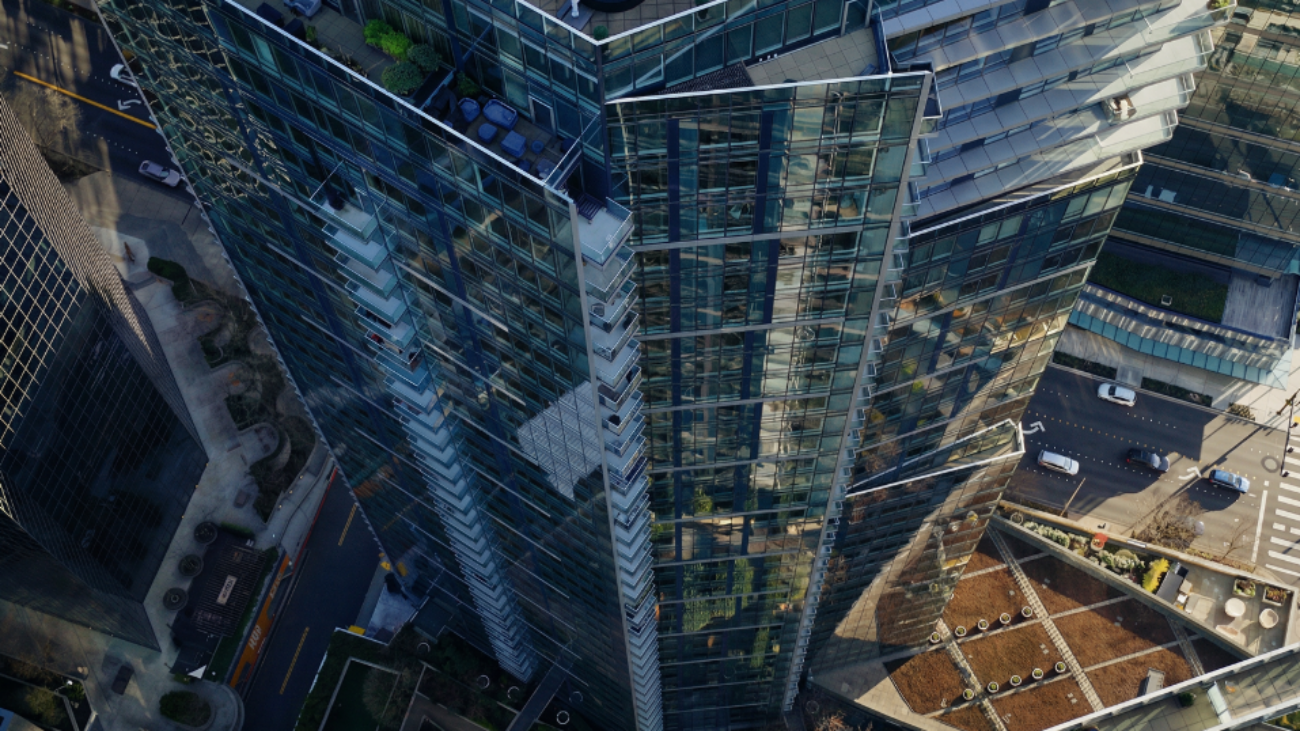
Washington State continues to experience significant growth in both residential and commercial development. From mixed-use communities and apartment complexes to infrastructure improvements and commercial buildings, construction activity remains a major part of the region’s economic landscape.
Cities such as Seattle, Bellevue, Redmond, Kirkland, and Everett have seen ongoing investment in new developments designed to accommodate population growth, business expansion, and changing community needs.
As projects become larger and more complex, developers, contractors, investors, and property owners are placing greater importance on construction documentation. What was once considered a supplementary process has become an essential part of modern project management and communication.
Today, photography, videography, drone imagery, and visual progress tracking are helping stakeholders maintain transparency, monitor project development, and create valuable records throughout the construction lifecycle.
As documentation practices continue to evolve, companies such as Peak3 Visuals have demonstrated how photography, videography, and aerial imagery can support construction progress tracking and stakeholder communication. Industry professionals interested in these approaches can also review construction documentation insights to better understand how visual records support modern development projects.
Why Construction Documentation Matters
Construction projects involve numerous stakeholders. Developers, contractors, architects, engineers, investors, lenders, and local agencies often require regular updates throughout the life of a project.
While schedules, reports, and site meetings remain important, visual documentation provides an additional layer of transparency that is often easier to understand.
Photographs and video updates create clear records of site conditions, construction milestones, material installations, and project progress. These records help ensure that stakeholders remain informed and can review developments without always needing to be physically present on-site.
As development timelines continue to extend over months or even years, maintaining organized visual records has become increasingly valuable.
Supporting Better Project Communication
Effective communication is critical to successful project delivery.
Construction documentation provides a shared visual reference that helps align project teams and stakeholders.
Rather than relying exclusively on written reports, project managers can use photography and video to demonstrate progress, explain challenges, and provide updates that are accessible to both technical and non-technical audiences.
This visual approach often improves understanding and helps reduce confusion between parties involved in the development process.
For investors, lenders, and property owners, visual updates can provide greater confidence that projects are progressing according to expectations.
The Growing Role of Drone Technology
Drone photography has transformed the way construction projects are documented.
Traditional site photography remains valuable, but aerial imagery provides perspectives that are difficult to achieve from the ground.
Drones allow project teams to capture entire developments, monitor site activity, evaluate progress, and document surrounding conditions from a broader viewpoint.
This perspective is particularly valuable for large-scale projects such as apartment communities, commercial developments, infrastructure improvements, and mixed-use properties.
In growing markets like Seattle and Bellevue, where development sites are often located in dense urban environments, aerial documentation helps stakeholders better understand both project progress and neighborhood context.
Creating Long-Term Project Records
Construction documentation serves purposes that extend well beyond active project management.
Many organizations maintain visual records for future reference, historical documentation, marketing materials, investor communications, and portfolio development.
A well-organized archive can help demonstrate how a project evolved from site preparation through completion.
Years later, these records may still provide value when evaluating maintenance requirements, supporting future development efforts, or showcasing completed work to prospective clients.
The ability to preserve a project’s history has become an important benefit of comprehensive documentation programs.
Improving Accountability and Transparency
Transparency has become an increasingly important topic within the construction and real estate industries.
Stakeholders often expect greater visibility into project timelines, milestones, and decision-making processes.
Construction documentation supports transparency by providing objective visual records that can be reviewed throughout the life of a project.
Photographs, drone imagery, and video updates help verify progress and provide evidence of completed work.
This can improve accountability while supporting stronger relationships between developers, contractors, investors, and property owners.
Documentation Supports Real Estate Marketing
Construction documentation is not only useful during development.
Once projects are completed, visual assets often become valuable marketing resources.
Developers frequently use construction photography, drone imagery, and progress videos to create case studies, showcase capabilities, and demonstrate project success.
Real estate professionals can use these materials to communicate project quality and highlight the expertise involved in development efforts.
As competition within the real estate industry continues to increase, having high-quality visual assets can strengthen future marketing initiatives.
Washington’s Development Market Continues to Expand
Washington’s population growth and economic activity continue to drive demand for new housing, commercial spaces, and infrastructure improvements.
Seattle remains a major development hub, while Bellevue, Redmond, Kirkland, Everett, Lynnwood, and Tacoma continue to attract significant investment.
With more projects entering planning and construction phases, the need for reliable documentation continues to grow.
Developers increasingly recognize that visual records help support communication, project management, and long-term asset value.
As a result, documentation is becoming a standard component of many development workflows rather than an optional service.
Technology Is Shaping the Future
Advancements in photography, drone systems, cloud storage, and digital asset management are making construction documentation more efficient and accessible.
Project teams can now capture high-resolution imagery, monitor progress remotely, and organize visual assets through centralized platforms.
These technologies help improve collaboration while ensuring that important project records remain accessible throughout the development lifecycle.
As technology continues to evolve, documentation practices will likely become even more integrated into construction and real estate operations.
Looking Ahead
The construction industry continues to evolve alongside advances in technology, communication, and project management.
Construction documentation has emerged as an important tool that supports transparency, accountability, collaboration, and long-term project success.
Photography, videography, and drone imagery provide valuable perspectives that help stakeholders understand project progress and preserve detailed records of development activities.
As Washington’s real estate market continues to grow, the importance of professional construction documentation is expected to increase.
Organizations that invest in clear, consistent visual records will be better positioned to communicate progress, build trust with stakeholders, and preserve the story behind the projects that shape communities across the region.
Peak3 Visuals is a Seattle-based commercial video production company serving Seattle, Bellevue, Redmond, Kirkland, Everett, Lynnwood, and Tacoma. The company works with developers, contractors, architects, and real estate professionals, providing commercial video production, drone photography, real estate media, and construction documentation services throughout Washington State.