untitled design - 2025-10-01T144812.581

Are Slot Games a Reflection of Modern Society’s Obsession With Quick Rewards?

In today’s fast-paced digital era, people crave speed, convenience, and instant gratification. From fast food to social media likes, society has grown accustomed to rewards that come quickly and with little effort. Against this backdrop, slot games—especially online versions—have surged in popularity. But beyond being a form of entertainment, they raise an important question: are slot games a reflection of modern society’s obsession with quick rewards?

The Mechanics of Instant Gratification

Slot games are designed around one simple concept: immediate results. Players spin the reels, and within seconds, they know whether they have won or lost. This rapid cycle mirrors broader cultural trends where patience is in short supply and people expect instant outcomes.

Psychologists often describe this as the “reward loop.” Just as social media users refresh their feeds in search of likes or notifications, slot players keep spinning, hoping the next attempt will deliver a jackpot. Both experiences rely on the brain’s dopamine response, reinforcing the desire to keep going.

The Rise of a Quick-Reward Culture

Modern society has normalized the pursuit of fast results:

  • Technology: Smartphones deliver information, entertainment, and communication instantly.
  • Food & Services: Delivery apps promise meals, groceries, or rides in minutes.
  • Finance: Stock trading apps and cryptocurrency platforms promote the thrill of fast profits.

Slot games fit neatly into this ecosystem. They embody the cultural preference for short bursts of excitement rather than long-term engagement. Winning isn’t always the main attraction; it’s the thrill of the spin and the chance of immediate reward.

Why Slots Resonate With Today’s Lifestyle

There are several reasons slot games mirror society’s obsession with quick rewards:

  1. Simplicity Over Complexity
    In a world overflowing with complexity, people often prefer activities that require little effort. Slot games are easy to understand—no strategy, no skill, just spin and see what happens.
  2. Always Accessible
    Online slots are available 24/7, aligning with a culture situs slot gacor that demands on-demand entertainment. Whether during a commute, lunch break, or late at night, the opportunity for instant rewards is always there.
  3. Micro-Engagements
    Just like scrolling through TikTok or Instagram, slot spins are short engagements that fit seamlessly into busy lifestyles.
  4. Emotional Escapism
    For some, slots provide a quick escape from stress. The flashing lights, sounds, and rapid play cycles offer temporary relief, though often at the cost of financial or emotional well-being.

The Risks of a Quick-Reward Mentality

While slot games may reflect cultural trends, they also expose the dangers of a society obsessed with immediacy.

  • Addiction: The design of slots exploits the human desire for instant gratification, leading some players into harmful patterns of compulsive play.
  • Financial Strain: Quick rewards often come with quick losses, and the cycle can trap players in debt.
  • Shallow Engagement: A culture focused on speed risks neglecting deeper, more meaningful experiences. Slots, like many forms of instant entertainment, may foster habits of short-term pleasure over long-term satisfaction.

The Debate: Harmless Fun or Societal Symptom?

Supporters argue that slot games are harmless entertainment, no different than binge-watching a TV show or playing mobile games. They see slots as a product of consumer demand, not necessarily a driver of social behavior.

Critics, however, view slots as a symptom of a society addicted to quick gratification. They warn that normalizing such habits reinforces unhealthy mindsets, where people chase immediate rewards without considering long-term consequences.

The Future of Quick-Reward Entertainment

As society continues to accelerate, it’s likely that the demand for instant rewards will only grow. This means slot games—or variations inspired by them—will remain popular. Yet, governments and regulators are becoming more cautious, imposing restrictions to protect public welfare.

At the same time, the entertainment industry is experimenting with hybrid models that combine instant gratification with skill or narrative depth. This may reflect an effort to balance society’s craving for speed with the need for more meaningful engagement.

Conclusion

Slot games are more than just gambling tools; they are a mirror reflecting modern society’s obsession with quick rewards and instant gratification. While they provide entertainment and excitement, they also highlight the risks of a cultural mindset that prioritizes speed over depth, and immediacy over patience.

The question is not whether slot games cause this societal trend, but rather how much they amplify it. In the end, slot games stand as both a product and a symbol of our times—a world where the thrill of quick wins often overshadows the value of waiting for something truly lasting.

AAA (47)

What Makes Mobile Homes Different From Traditional Houses

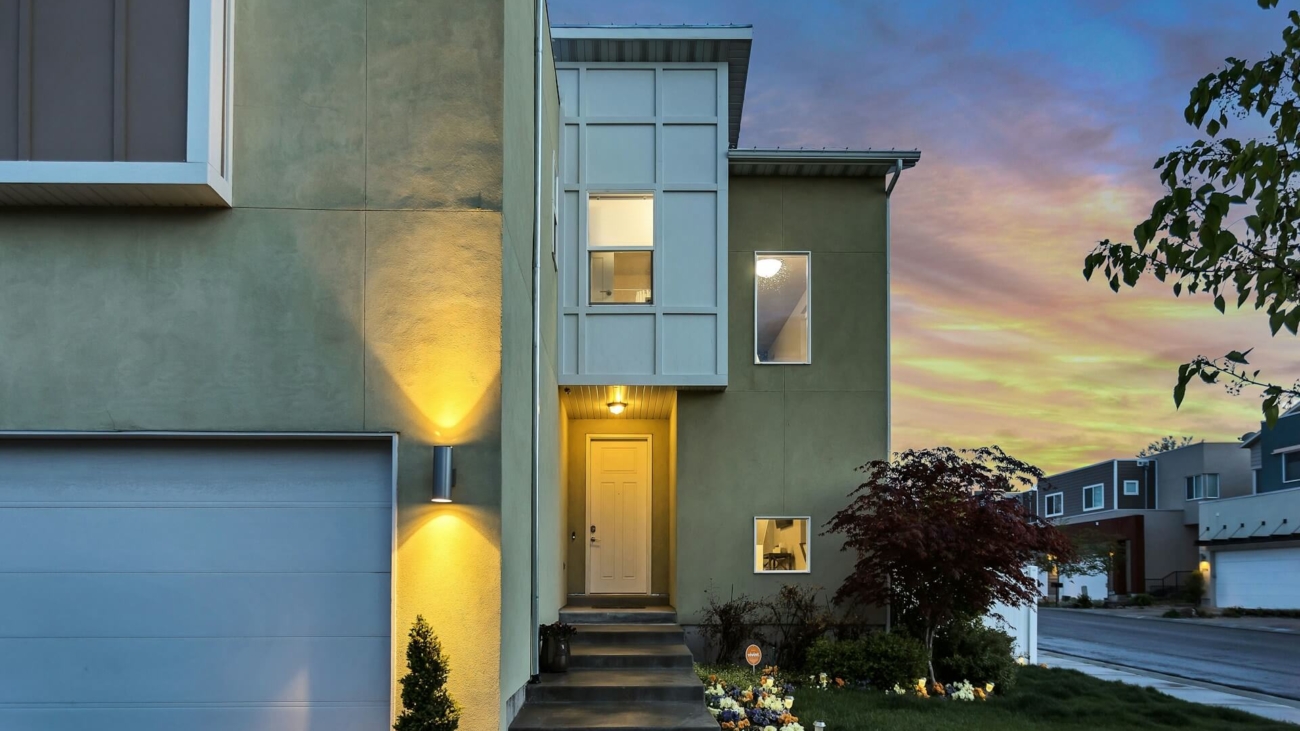
Mobile homes have gained popularity over the years as a flexible, affordable housing option. While they offer several advantages, including lower costs and easier relocation, many individuals are unsure about how they differ from traditional houses.

Mobile homes are built according to federal regulations, which are distinct from the building codes that govern traditional houses. Read on to explore the various aspects that set mobile homes apart from their traditionally built counterparts.

The Construction Process

The construction of mobile homes follows a different process compared to traditional homes. Mobile homes are built in a factory setting, where the assembly line promotes expedited production. Traditional homes are built on-site, where weather and permits can introduce delays. The factory-based approach used for mobile homes results in more affordable pricing.

Mobile homes must meet strict federal standards that dictate their construction, safety, and design. Manufactured homes should be safe and durable and provide a sense of reliability. The streamlined production process allows for customization options at a lower cost, making mobile homes attractive to many buyers.

Maintenance and Repairs

Maintenance and repair requirements may vary between mobile homes and traditional houses. Mobile homes require ongoing upkeep to maintain their condition if situated in challenging environments. The materials used in mobile home construction may be more vulnerable to weather-related wear and tear compared to those in traditional homes.

As a potential seller, individuals worry about how to approach the market if they choose to sell a mobile home. If you aim to sell your Palatka mobile home hassle-free, connect with local companies that specialize in buying mobile homes as-is for fast cash. This approach avoids the complex process of repairs and real estate agents and streamlines the transaction. Knowing the nuances of maintenance can empower buyers and sellers to navigate mobile home ownership.

Financing and Insurance Variability

Mobile homes may not qualify for the same mortgage loans as traditional homes, which can complicate the buying process. Many lenders treat mobile homes as personal property rather than real estate, affecting the types of loans available. Only certain manufactured homes that meet specific criteria can qualify for permanent foundation loans, which are favored due to their lower interest rates.

Mobile homes frequently require specialized coverage, listed as manufactured home insurance. Insuring mobile homes may involve different risks compared to traditional house insurance, leading to varying rates and coverage options. Buyers must conduct thorough research to understand the implications of financing and insurance when considering a mobile home purchase.

Land Ownership and Placement Issues

A prominent distinction to consider is land ownership in relation to mobile homes. Traditional houses are purchased with the land included in the sale, and mobile homes can be placed on owned land or within mobile home parks. Many buyers choose to position their mobile homes in rented lots or communities, which can lead to additional fees and regulations that must be followed.

Mobile home park owners may enforce rules that affect day-to-day living, something that traditional homeowners rarely encounter. This distinction can impact resale values and potential appreciation. Mobile homes placed on owned land may appreciate in value, and those located in parks may face depreciation. The choice of placement influences the lifestyle and community dynamic surrounding mobile homes.

Government Regulations and Zoning Laws Impact

Government regulations and zoning laws present challenges for mobile home buyers. Different areas have specific regulations regarding mobile home installation, which can affect where and how residents can place their homes. Zoning laws dictate permissible land use, which can influence the ability to rent or sell mobile homes in certain places. Being aware of local regulations can save prospective buyers time and hassle and help them comply with requirements.

As mobile home regulations vary from state to state, recognizing these differences is necessary when transitioning between areas.

Buyers must adhere to the appropriate guidelines to avoid fines or complications during ownership. These factors will empower individuals to navigate zoning and regulatory frameworks more effectively.

Community Living and Social Aspects

The social aspects and community structure around mobile homes differ from traditional residential areas. Mobile home parks provide a distinct sense of community and shared resources, which can promote socialization among residents. Many people find comfort in knowing their neighbors and having a close-knit community. Traditional neighborhoods may lack this communal element, presenting a more dispersed living situation.

Mobile home communities are not without their challenges. The dynamics of living in a shared space may not appeal to everyone. Different-aged communities may promote different atmospheres, and not all parks offer the same amenities or sense of belonging.

The unique aspects of mobile homes showcase how they differ from traditional houses in a multitude of ways. Construction process, financing, insurance, land ownership, maintenance, resale value, regulations, and community living all contribute to the understanding of what mobile home ownership entails. With thorough research and awareness, individuals can confidently navigate their housing options.


Untitled design - 2025-09-28T090753.526

5 Timeless Interior Design Trends That Never Go Out of Style 

Walk into any beautifully decorated home from fifty years ago, and you’ll notice something interesting. Underneath the striking orange shag carpeting that shouts “1970s,” the wooden floors are still stunning. The marble worktops beside that vintage avocado refrigerator, which looks hilariously outdated, continue to wow visitors.

Some design choices have a timeless quality that transcends fashion trends. These elements provide stability while stylish additions come and go like the seasons, forming the basis of very beautiful rooms. Smart homeowners know about these classic works of art and use them as a guide when decorating.

1. Natural Materials That Get Better With Age

Character marks on wood flooring reveal family histories. Synthetic surfaces never acquire the delicate patinas that stone countertops do. The subtle weathering of brick walls gives a level of authenticity that cannot be replicated in a machine. These materials give our homes a connection to something more significant than passing fashion fads.

Real materials react beautifully to everyday situations. A wooden dining table shows gentle wear patterns where countless family meals have been shared. Leather furniture softens and molds to bodies over the years of use. Carpet Installation Contractor  professionals often recommend natural fiber rugs because they age gracefully, while synthetic alternatives simply look worn out.

Quality natural materials cost more initially but often outlast several generations of cheaper alternatives. A solid wood kitchen cabinet can be refinished multiple times throughout its life, while particleboard cabinets head to landfills after a decade. This longevity makes natural materials wise financial choices beyond their obvious beauty benefits.

2. Neutral Color Schemes That Welcome Everything

Everyone makes fun of beige, but there’s a reason it keeps showing up in nice homes. Neutral walls aren’t boring – they’re smart. They let everything else in your room have a chance to shine instead of competing with loud paint colors.

Think about it like this: neutral walls are like a good friend who listens well. They make your furniture look better, your artwork more important, and your family photos more meaningful. Plus, you can completely change your room’s personality just by swapping out pillows and throws.

The practical side matters too. When you pick a neutral base, you’re not locked into one look forever. Christmas decorations work, spring flowers work, back-to-school organizing works. You don’t have to repaint every time your taste evolves or trends change.

3. Furniture Shapes That Never Go Out of Style

Some furniture designs have been around for centuries because they just work. A wingback chair looked good in 1850 and still looks good today, whether you cover it in traditional leather or funky modern fabric. These classic shapes succeed because they’re based on how human bodies actually work, not just how they look in magazines.

Here’s what matters: buy the bones, change the skin. Solid wood frames with proper construction can be reupholstered, refinished, or updated with new hardware. The basic shape stays timeless while you adapt the details to current tastes.

Skip furniture that screams “2024” unless you’re prepared to replace it when 2024 starts looking dated. Instead, look for pieces that could work in your grandmother’s house or your kid’s first apartment. That’s the sweet spot for lasting design. Designers often suggest buying a Maralunga Sofa for its adaptable silhouette that blends effortlessly with both contemporary and classic interiors. Its adjustable backrest and timeless proportions make it a reliable centerpiece that won’t feel out of place as trends continue to shift.

4. Room Arrangements That Feel Natural

Your eyes want to see balance, even if you don’t consciously realize it. That’s why matching lamps on either side of a sofa always looks right, regardless of what’s trendy this year. Your brain recognizes the symmetry and relaxes.

Balance doesn’t mean everything has to match perfectly. A big plant on one side of the fireplace can be balanced by a group of smaller objects on the other side. Distributing visual weight is crucial to making the space feel steady rather than unstable.

Expert designers are naturally aware of this, which is why their spaces seem cozy even when you’re not sure why. distinct routes across the space, conversation-friendly furniture arrangements, and distinct focal points all combine to make areas feel purposeful rather than unintentional.

5. Quality Textiles That Add Soul

Natural fabrics have qualities that synthetic alternatives can’t quite replicate. Wool rugs feel amazing underfoot while naturally resisting stains and wear. Linen curtains develop beautiful texture over time while filtering light perfectly. Cotton bedding breathes naturally and washes beautifully for decades.

The difference becomes obvious over time. After a few washes, cheap synthetic materials frequently pill, fade, or take on an odd plasticky feel, even though they first appear fantastic. In fact, natural materials improve with age; they acquire a patina and character that synthetic textiles cannot match.

Additionally, high-quality textiles adjust well to shifting décor styles. A gorgeous wool rug complements both traditional and modern furnishings. Good linen curtains offer superior light control, a timeless natural texture, and a complement to any style.

Conclusion

Timeless design elements provide solid foundations that support changing personal preferences while maintaining lasting beauty and functionality. These classic choices offer financial wisdom through their longevity while creating homes that feel both current and comfortably established.

The most successful interiors blend enduring elements with personal touches and seasonal updates, creating spaces that evolve gracefully while maintaining their essential appeal. This balanced approach serves families well through changing circumstances while creating homes that truly reflect their values and lifestyle preferences.

Picture2tycch n

5 Signs Your Home Needs a Professional Structural Assessment 

Long before they yell emergency, houses mutter cautions. Before you realize it’s actually alerting you to foundation movement, that door that started sticking out of the blue can seem like a small inconvenience. The tiny crack next to your window can be your house’s way of requesting assistance before more serious issues arise.

These subtle indicators are frequently ignored by homeowners who believe they are cosmetic problems or signs of regular aging that can wait for a convenient time to be fixed. Underlying structural issues, meanwhile, are still subtly growing in the background and could lead to costly surprises that could have been avoided with early intervention. 

1. Door and Window Drama That Signals Bigger Issues

our home is attempting to convey a significant message when doors that have been operating flawlessly for years suddenly stop closing correctly. When foundations or framing timber alter, the wall structures that house door frames move. Before obvious cracks show up, these sensitive signs frequently identify structural issues.

Windows that become challenging to use should be fixed right away rather than using forceful fixes. Sometimes applying more force to stuck windows will temporarily resolve the issue, but as you get used to the inconvenience, the underlying problem will continue to deteriorate. 

General Contractor Indianapolis  professionals recognize these warning signs as early indicators of structural movement requiring professional evaluation.

2. What Your Basement Walls Are Trying to Tell You

Basement walls are like gossips – they can’t keep secrets about what’s happening with your house’s foundation. Those cracks aren’t just ugly marks on the concrete; they’re actually telling a story about how your house is handling the stress of supporting itself.

Horizontal cracks are the scary ones. When you see a crack running sideways across your basement wall, that’s your house saying, “Help me, I’m under serious stress.” Vertical cracks might just be normal settling, but they could also mean something more serious is going on. The tricky part is figuring out which is which without a crystal ball.

Water problems in basements often signal foundation troubles that go way beyond just needing a dehumidifier. 

3. When Floors Start Acting Weird

Floors don’t lie. They’re connected to everything that holds your house up, so when structural problems develop, floors are usually the first to start acting strange. The changes can be subtle at first, but they’re definitely worth paying attention to.

Want to check if your floors are level? Try the marble test. Drop a marble on the floor and see where it rolls. If it consistently heads toward the same corner or wall, your house might be settling unevenly. This isn’t always a disaster, but it’s worth having someone take a look.

Bouncy floors are another red flag. If you feel like you’re walking on a trampoline, especially in areas where the floor used to feel solid, something underneath might be failing. Could be deteriorating joists, inadequate support, or foundation problems that are compromising your home’s structural framework.

4. Exterior Walls That Wave Red Flags

Outside walls do double duty – they hold up part of your house while keeping weather out. When they start showing problems, it usually means bigger structural issues are developing that need professional attention sooner rather than later.

Exterior walls that bulge or bow are among the most serious structural issues. These walls should be straight, and if they aren’t, that signifies they’re under stress that they weren’t built to withstand. Weather cycles, water damage, and existing structural flaws can all exacerbate these concerns over time.

Look for gaps where different sections of your home connect, such as between walls and foundations, siding and trim, or anywhere two different materials come together. These separation gaps may appear modest, but they frequently signal structural movement that is causing your home to shift in unexpected ways. 

5. When Building Systems Start Misbehaving

Have you ever noticed how your circuit breaker constantly tripping in the same position, or how some lights flicker even after you replace the bulbs? Sometimes these electrical gremlins aren’t actually electrical problems; they’re just symptoms of your house shifting about in ways that stress the wiring.

When structural elements alter, your heating and cooling system may have a fit. If your energy costs suddenly increase or some rooms no longer keep at the proper temperature, the ductwork may be pinched, stretched, or detached due to foundation movement. Ducts dislike being manhandled by shifting house pieces. 

Here’s a pattern to watch for: if you keep calling repair guys for the same problems over and over, but the fixes never stick, the real culprit might be structural movement. Equipment works fine when it stays where it was installed, but when the house starts doing a slow-motion earthquake, things break in weird ways that temporary fixes can’t solve.

Don’t Wait Until Things Get Worse

Catching structural problems early is like catching any other health issue early – much easier and cheaper to treat. What starts as a small crack or minor settling can become a major disaster if ignored long enough.

Professional structural evaluations provide objective assessments that help distinguish between normal house behavior and actual problems that need fixing. These experts can tell you whether that crack is just cosmetic or if it’s time to start worrying about your house’s stability.

7

The Long-Term Investment Value In Purchasing A Handmade Heriz Persian Rug

For the last several centuries, Persian rugs have been the cream of the crop in terms of flooring décor craftsmanship, beauty and cultural significance. 

Among the many styles found in the Persian rug sector, Heriz Persian rugs have undoubtedly stood out as a favorite among professional interior designers, homeowners and art collectors.

We recently got in touch with the heriz persian rug experts at Rug Source to get a more in-depth glimpse into the overall investment value associated with these area rugs, and what we learned is that the bold geometric patterns, durability and rich colors offer homeowners much more than a decorative aesthetic. 

So, check out the below sections to learn more about the following:

  • The uniqueness of Heriz Persian rugs
  • The long-term value of handmade rugs
  • Practical durability meets aesthetic appeal
  • The worldwide market for Heriz rugs
  • Tips for taking care of your area rug investments 

What Exactly Makes Heriz Persian Rugs So Unique?

Heriz Persian rugs are handmade masterpieces that derive from Northwest Iran’s Heris region, which is a place that features age-old traditions for rug artisans and weaving. 

Unlike many other Persian rug styles that often include floral motifs, Heriz rugs are known throughout the world for their geometric medallion designs and bold color palettes of earth tones like ivory, blue, red and rust. This unique aesthetic is a big part of what makes this rug style so easily adaptable within modern interiors.

Another huge reason why Heriz Persian rugs are so unique is because of the world-class wool that comes from this area. Heriz rugs are known for being made with some of the strongest wool on the planet, which makes the rugs capable of lasting several generations!

The Long-Term Value of Handmade Rugs 

Unlike the factory-made, mass-produced synthetic area rugs that usually wear out within a matter of a few years, handmade area rugs are able to last entire lifetimes when taken care of properly. 

And because every Heriz rug is made by an expert artisan, each one is 100% one-of-a-kind and will hold unique cultural value.

This subsequently means that every authentic Heriz Persian rug will appreciate in value over time, and this is largely due to art collectors and Persian rug enthusiasts always being willing to pay premium prices for vintage and antique Persian rugs!

Practical Durability Meets Aesthetic Appeal 

Heriz Persian rugs provide investment appeal in two specific ways: practical household durability and functional art

The bold patterns of Heriz rugs naturally makes them a décor focal point in any residential space, and the durable wool construction makes them easily capable of handling high-traffic household areas. 

Unlike other fragile antique rugs that aren’t applicable for most families, Heriz Persian rugs can comfortably live inside the busiest of households—which makes them an incredible investment for countless people who love the idea of enjoying collectible artistry on a daily basis!

The Worldwide Market For Heriz Persian Rugs 

There’s absolutely no denying how the worldwide demand for handmade rugs has surged throughout recent years, and this is mainly due to most rug shoppers wanting sustainable, authentic and artisanal home décor products.

Heriz rugs are widely known for their distinctive style and durability, which contributes to them being one of the most sought-after rug styles in the world. 

And although modern reproduction styles exist, authentic Heriz Persian rugs still reign supreme due to their investment value.

Tips For Taking Care Of Your Area Rug Investments 

In order to preserve your authentic, handmade area rugs, you’ll want to keep the following upkeep tips in mind:

  • Routine Cleaning: Gently vacuuming your area rugs on at least a weekly basis will ensure that you’re preventing dust buildup.
  • Rug Rotation: Periodically rotating your area rugs will help make sure that you’re getting an even wearing from your household’s sunlight exposure and foot traffic.
  • Professional Rug Maintenance: Getting your area rugs professionally cleaned at least every two years will go a long way for maintaining optimal conditions. 
  • Protective Rug Paddings: Always use a high-quality rug pad underneath your rug investments to reduce slipping and wearing. 

Heriz Persian Rugs Are Timeless Classics Still Today In 2025!

Authentic, handmade Heriz Persian rugs are so much more than simply decorative accents for your home’s décor, because they’re literal pieces of cultural history and long-term investments that you can pass down to your children and grandchildren. 

The durability of Heriz rugs makes them practical for daily use, and your investment will continue to climb in value with each passing year. 

So, for online shoppers looking for a blend of aesthetics and long-term value, it truly doesn’t get much better than timeless classics like Heriz area rugs!

Picture1 bjkbjk

Understanding Home Loan Terms To Make Smarter Property Decisions

Buying a home is one of the most significant financial commitments most people will make in their lifetime. With property prices on the rise, understanding home loan terms is more important than ever for making decisions that align with both short-term affordability and long-term financial stability. While interest rates and repayment schedules are the most common points of focus, the fine print of loan agreements often holds key details that can affect financial outcomes for years. A well-informed buyer can avoid costly mistakes and make choices that support sustainable property ownership.

Decoding Loan Types and Their Purposes

Home loans are not a one-size-fits-all product. Each type of loan is designed to address specific circumstances, and choosing the right one depends on a buyer’s financial goals, income stability, and property timeline. For example, a bridging home loan provides temporary financing for buyers who want to purchase a new property before selling their existing one. These loans help smooth the transition but often come with shorter repayment periods and higher interest rates. Understanding the nuances of such loan types is critical, as they can either provide valuable flexibility or create financial strain if not managed carefully.

Other options include fixed-rate loans, where interest rates remain stable for a set period, and variable-rate loans, which fluctuate with market changes. Offset accounts and redraw facilities are additional features that can reduce interest costs if used strategically. By learning how these loan types differ, buyers are better prepared to choose the product that aligns with their situation.

Interest Rates and Their Long-Term Effects

Interest rates are often the first factor borrowers examine, and for good reason. Even a small difference in rates can translate into tens of thousands of dollars over the life of a loan. Fixed interest rates offer predictability, making budgeting easier, while variable rates may provide savings when market conditions are favorable but carry the risk of unexpected increases.

Some lenders offer split loans, allowing borrowers to fix a portion of their mortgage while leaving the rest variable. This hybrid approach combines stability with flexibility, offering a middle ground for those uncertain about future market trends. Understanding how interest rates interact with repayment schedules is critical for long-term planning, as it can directly influence affordability.

Loan Features That Provide Flexibility

Beyond interest rates, loan features can dramatically impact the borrower’s ability to manage repayments efficiently. Offset accounts, for instance, reduce the amount of interest charged by linking a savings account to the loan. The balance in the offset account effectively lowers the principal, cutting down interest. Redraw facilities, on the other hand, allow borrowers to access extra payments they’ve made, offering a financial buffer in emergencies.

Additional repayment options contribute to flexibility, allowing borrowers to pay down their loans faster without penalties. These features may seem minor, but they can add up to significant savings when used effectively. Buyers should weigh these benefits against potential fees to ensure the loan package delivers real value.

Fees and Hidden Costs to Watch For

While the focus is often on loan amounts and interest rates, hidden costs can erode affordability. Application fees, valuation fees, annual service charges, and exit fees are common expenses that may not be obvious at first glance. Comparing these costs across lenders is just as important as evaluating interest rates.

Some lenders may charge penalties for early repayment or refinancing, which can limit financial flexibility. Understanding these conditions ahead of time prevents unwelcome surprises and ensures that the chosen loan remains cost-effective throughout its term.

The Importance of Loan-to-Value Ratio (LVR)

The loan-to-value ratio (LVR) measures the size of a loan against the value of the property being purchased. A higher LVR typically means borrowing more of the property’s value, which increases the lender’s risk. As a result, borrowers with high LVRs may be required to pay lender’s mortgage insurance (LMI), adding significant costs.

Buyers who can save larger deposits generally secure better loan terms and avoid LMI, giving them a financial advantage. Understanding how LVR impacts both loan eligibility and long-term repayment obligations is crucial for making smarter property decisions.

Aligning Loan Terms With Financial Goals

The right home loan should complement a buyer’s broader financial goals. For some, the priority is securing lower monthly repayments to ease cash flow. For others, paying off the loan faster and minimizing interest may be more important. Aligning loan features, repayment schedules, and interest structures with these goals creates a strategy that balances immediate needs with future aspirations.

Consulting financial advisors or mortgage brokers can help clarify complex terms and identify products that fit specific situations. By taking a proactive approach, buyers ensure that their property purchase strengthens their financial foundation rather than becoming a source of ongoing stress.

Understanding home loan terms is about more than comparing interest rates. From home loan options to flexible repayment features and the implications of loan-to-value ratios, each detail shapes the cost and convenience of property ownership. With informed decision-making, buyers can choose loans that meet their current needs and position them for long-term success. By carefully evaluating loan structures and aligning them with financial goals, homeowners create stability, confidence, and smarter pathways to achieving property dreams.

unnamed - 2025-09-28T090632.180

Understanding Market Trends for Profitable Real Estate Investments

Want to earn money through real estate investing?

Gaining an understanding of market trends is helpful, but it’s also absolutely critical if you want to see real profits and results. Successful real estate investing is not just throwing your hard earned money at available properties.

The problem is…

Real estate investing is often dived into without understanding what’s driving real profits. As a result, it’s not uncommon for would be investors to avoid important signs that could separate a great investment from a bad investment.

But here’s the thing…

Learning about market trends provides you with valuable information and insight on where to buy properties and when to sell properties. It will give you the power to see the hottest markets, the properties with the most potential, and how to invest with a buy and hold strategy.

By the end of this article you will discover:

  • The Importance Of Market Analysis
  • Current Real Estate Market Trends You Should Know
  • Sun Belt Markets Dominate
  • Commercial vs Residential Markets
  • Interest Rates and Investment Strategies

The Importance of Market Analysis

Market analysis is the secret weapon that successful real estate investors have.

Without it, you’re basically gambling and hoping to win big. The key to making smart investment decisions is taking the time to research and understand the fundamentals of local markets, property value, and economic conditions before committing capital. 

The way we see it: Would you buy a stock without learning anything about the business or its growth prospects? Of course not. Real estate investing works in the same way.

Smart investors know that working with experienced ethical St Louis real estate investors and professional real estate investment services provides the knowledge to make informed decisions and target the properties that are most likely to produce healthy returns.

Market analysis can help you to:

  • Identify up and coming neighborhoods before prices rise
  • Learn about local labor markets that are creating demand
  • Know where to avoid areas where supply is outpacing demand
  • Time purchases for best value

But here’s the thing…

The best opportunities are created when markets shift and the average investor runs for the hills. If you know what to look for, you can profit off of market shifts.

4 Key Real Estate Market Trends You Should Know

The real estate market in 2024 has been full of twists and turns.

Commercial real estate transactions totaled $757 billion in 2024. The total value of commercial real estate transactions increased a respectable 13% YoY and shows no signs of slowing down. It’s true that the market is facing some headwinds, but people are still making money in commercial real estate.

Here’s the best part…

Property values are rebounding. The total value of all commercial property increased 4% YoY. Leading the way: apartments and retail spaces, which both experienced a massive 9% YoY gain in value.

But don’t get too excited just yet…

Interest rates are still shaking up the market. With rising rates still in play, cash buyers have the advantage and sellers are forced to get realistic about pricing.

Things smart investors are keeping an eye on include:

  • Vacancy rates in the most important markets
  • New construction pipelines
  • Employment trends
  • Migration patterns

The numbers speak for themselves: The investors who stay abreast of these statistics are the ones that position themselves to make a profit.

Sun Belt Markets Dominate

If you’re not paying attention to Sun Belt markets, you’re missing out.

Sun Belt regions continue to make up the bulk of real estate investment opportunities in the country. In fact, 15 of the top 20 markets with the best overall investment prospects are located in the Sun Belt.

Why are these markets doing so well?

Low taxes, business friendly regulation, and a growing labor pool combine to provide ideal conditions for real estate appreciation. Businesses are moving, employees are following, and property values are increasing.

Sun Belt markets that provide the best investment opportunities are:

  • Dallas/Fort Worth
  • Nashville
  • Phoenix
  • Atlanta
  • Austin

But something interesting is happening…

The rankings are changing. While these markets continue to be hot, Nashville and Phoenix both dropped down from the top of the list. Dallas/Fort Worth moved into the number one spot.

The rankings may be volatile, but the opportunity is not going away.

Commercial Vs Residential Investments: Where The Money Goes

Wondering where professional and institutional investors are putting their money?

The numbers tell an interesting story. Industrial and multifamily properties continue to dominate commercial real estate investment, while office buildings continue to struggle with the remote work economy.

The top performing sectors in Commercial Real Estate ranked by market share are:

  • Industrial: Still good, but showing signs of cooling
  • Multifamily: Good fundamentals, new supply concerns
  • Retail: Unexpected revival with very limited new construction
  • Office: Remote work continues to create headwinds

Meanwhile, the numbers look very different in the residential sector.

Real estate ROI improved significantly in 2024, which raised 10 year annualized ROI to 4.00%. The two single-family rental property types continue to be top picks for investors.

But this is important to note…

Property types ebb and flow in performance. Market shifts make some property types more attractive than others. Savvy investors know how to target the right type at the right time.

Interest Rates and Investment Strategies

We know what you’re thinking: interest rates.

Higher rates have cooled some markets, but they’ve also created new opportunities. Cash rich buyers have more negotiation leverage, and motivated sellers are more open to creative financing and workarounds.

Here’s what current rates mean for you:

  • Less competition from heavily leveraged investors
  • More room to get a great deal as a qualified buyer
  • Cash flow analysis becomes more important than ever
  • Value-add opportunities stand out

But here’s the thing…

Rate changes impact property types differently. Industrial spaces could potentially handle rate increases better than speculative development. Established rental properties with solid cash flow are more attractive when financing is expensive.

The key for the wise investor is to pivot with the rate environment, rather than sitting on the sidelines.

How Technology Is Shaping Real Estate Market Trends

Keep your eyes on real estate technology.

PropTech investment is flooding into startups with a focus on green development and energy efficiency. In fact, more than 50% of prop tech investment in the US is projected to be centered on environmentally friendly properties.

This trend isn’t just a fad…

Energy efficient properties, smart building features, and properties with green development see higher rents and sale prices. Tenants and buyers are willing to pay a premium for this type of property.

Some of the technology trends that are influencing investment decisions include:

  • Building automation
  • Energy efficient building methods
  • Data center demand
  • Virtual property management tools

Investors who take note of these trends early stand to win in the long run.

Conclusion

If you want to make money in real estate investments, an understanding of market trends is crucial.

It’s true that there is a lot of uncertainty in the market currently, but the numbers are showing some clear themes: Sun Belt markets are performing well, commercial real estate is on the mend, and technology will continue to drive tenant demands. Interest rates make some investments more difficult but also provide new opportunities.

The key takeaways for investors who want to make money:

  • Target areas with growing jobs and population
  • Pay attention to property types and market cycles
  • Use technology and efficiency to your advantage
  • Adjust your financing to account for the current rate environment

Remember, real estate investing is not about perfectly timing the market. It’s about understanding what is going on well enough to make informed decisions that are aligned with long term market fundamentals.

Investors who are doing their due diligence and working with experienced real estate investors and real estate investment services will build wealth while others are still trying to figure out what happened.

unnamed (5)

Understanding CDK12 Inhibitor Dinaciclib & Where to Get It

The fight against cancer is an important one, and scientists haven’t stopped doing whatever they can in order to come up with new treatment options, and new approaches towards attacking this condition. So, apart from attacking those cancer cells directly, they have been looking for other ways to slow down and stop the disease, and its harmful effects. In other words, their research has now shifted towards something else – that is, towards understanding how to actually undermine the molecular machinery that those cancer cells depend on, and especially those systems that help them grow uncontrollably and repair damage.

The cyclin-dependent kinase (CDK) family is one of those machineries. It helps regulate cell division, DNA repair, as well as gene transcription. And, one drug has been particularly important when it comes to studying this particular system, and finding a way to inhibit it. In short, I am referring to Dinaciclib CDK12 inhibitor, a drug that is used to target multiple CDKs, as well as to successfully inhibit CDK12, a kinase which is usually quite hard to reach, but which definitely plays an important part in cancer biology. In the simplest words possible, it actually helps cancer cells maintain their DNA repair capabilities.

The above, therefore, means that blocking it could have quite some positive effects. In short, it could make tumors more vulnerable, and especially so when combined with other therapies. And, I suppose you understand how important that is, because making the tumors more vulnerable means being able to destroy them more successfully, which is precisely what we want to do when it comes to fighting cancer.

Since you are here, it is safe to say that you are interested in understanding Dinaciclib CDK12 inhibitor a bit better. You want to know what it is and why it is so important to begin with. And then, if you are a researcher yourself, you also want to understand how and where to get this substance for your lab, in order to do some studies and experiments of your own. And, well, there is absolutely no doubt that these are all rather important questions, so what we are going to do right now is answer them for you below, hoping to shed light on the entire topic.

So, What Is Dinaciclib CDK12 inhibitor?

Without any further ado, thus, let us start answering those important questions. And, clearly, we have to begin with the basics. What exactly is Dinaciclib CDK12 inhibitor then? Well, to cut right to the chase, we are talking about a small molecule inhibitor that has been designed to block the activity of several CDKs. Among other things, research has shown that it can also inhibit CDK12, even though it may not exactly be the primary target, which is, as I have mentioned above, extremely important, since this kinase is usually hard to reach.

Now, what happens when it inhibits CDK12, though? Well, since CDK12 is responsible for ensuring the proper transcription of genes, involved in a precise DNA repair method known as homologous recombination (HR), Dinaciclib CDK12 inhibitor can actually stop this particular activity. And, by doing so, it inhibits the cells’ ability to repair DNA, thus making them more sensitive to other therapies, such as chemotherapy and radiation.

Understand the role of CDK12 better: https://d-nb.info/1149208732/34 

Why Is It Important?

Why dos all of this matter, though? That is, why is Dinaciclib CDK12 inhibitor so important in the first place? Well, for one thing, this drug, through its inhibiting effects, actually affects a key support line for cancer cells, that is, their ability to repair DNA damage. All of that makes those tumor cells vulnerable, and thus more responsive to treatment, which is undeniably a huge plus. Furthermore, since it can sensitize tumors to other drugs and therapies, it often works well in combination therapies, and that is something to keep in mind as well.

Given its precision in targeting CDK12, Dinaciclib CDK12 inhibitor allows scientists to better understand which tumors depend on it exactly. And, as you may have guessed it, this also helps them come up with some better treatment solutions, and tailor therapies to every patient individually. So, among other things, this drug emphasizes the importance of these kinds of tailored approaches, which is why it is a great research tool that can help scientists explore those specific systems on which cancer cells depend, and thus discover better treatment options.

Where to Get It?

Now, if you’re a scientist yourself, and you want to get Dinaciclib CDK12 inhibitor for your research lab, then you are probably wondering where to get it. As you may very well know already, you definitely cannot get it in a local pharmacy, because this is a research tool, so you have to use other sources. The good news, though, is that those other sources do exist, and all you have to do is find a chemical supplier that offers this substance and you’ll be ready.

The even better news is that you can nowadays find them online, and even order your products online, which makes things a lot easier, and much more straightforward. The only thing is, though, you still do have to be careful about choosing the right supplier, meaning you shouldn’t just rush into placing your order at a random website, and then hoping for the best. Instead, you have to do your research to decide which particular supplier could actually be best for you.

So, when doing the research, what you have to do is take your time to check the legitimacy of the suppliers you have found, as well as, naturally, their reputation. You can do this by checking their official sites, exploring what they offer, checking for background information, and, of course, reading reviews written by previous customers. The idea is for you to choose a highly reliable supplier, that is , someone you can trust. And, once you’ve found a couple of trustworthy suppliers, remember to check the purity of the Dinaciclib CDK12 inhibitor that they are selling, as well as the prices, and then compare everything, make your choice, and place the order.

clay-banks-OtBwtMTTxWQ-unsplash

How To Choose The Right Patio Design For Your Home

A patio is more than just an outdoor space; it is an extension of your home that adds value, beauty, and functionality. Whether you want a cozy retreat for quiet evenings, a lively gathering place for friends and family, or a seamless transition between indoor and outdoor living, the right patio design can transform your property. Choosing the best design involves balancing aesthetics, functionality, and durability to create a space that fits your lifestyle.

Understanding Professional Guidance and Reliable Options

Designing the perfect patio starts with understanding your choices and knowing when to seek expert advice. Homeowners often struggle to decide between materials, layouts, and finishes without professional input. For instance, it’s smart to consider Platinum Deck and Patio or another reputable company when weighing design options. Experienced professionals can help you assess your property, recommend the most suitable styles, and ensure that the final design complements your home’s architecture.

Working with a trusted provider ensures that your patio is built with quality materials and proper installation techniques, reducing long-term maintenance concerns. Beyond the technical expertise, these specialists offer creative solutions that balance your vision with practical constraints like climate, budget, and available space.

Matching Design With Lifestyle Needs

The best patio design reflects how you plan to use the space. A family that enjoys outdoor dining may prioritize a layout with plenty of room for a table and chairs, while avid entertainers might want built-in seating, an outdoor kitchen, or fire features. If relaxation is your primary goal, consider incorporating a shaded pergola, comfortable lounge furniture, or even a small water feature for ambiance. 

By thinking about your lifestyle first, you avoid investing in features that will go unused. Installing a large fire pit might not make sense in a warm climate, while a covered patio could be invaluable in regions with unpredictable weather. Tailoring your patio to your daily habits ensures maximum enjoyment and long-term satisfaction.

Choosing the Right Materials

Materials play a central role in both the look and durability of your patio. Options such as natural stone, concrete, pavers, and wood each have distinct advantages and drawbacks. Stone and pavers create a timeless, elegant feel and are known for their durability, while stamped concrete provides a wide range of design options at a lower cost.

Wood patios offer warmth and natural beauty but require regular maintenance to prevent weather damage. Composite materials provide the appearance of wood without the same upkeep demands. When selecting materials, consider your aesthetic preferences and your climate and budget. The right choice can reduce long-term costs while keeping your patio visually appealing.

Incorporating Functionality and Flow

An effective patio design creates a natural flow between indoor and outdoor living spaces. Wide doorways, sliding glass panels, or French doors can provide seamless access, making it easy to move between spaces during gatherings. Functional design means planning for pathways, storage areas, and clear zones for specific activities.

Lighting is another key consideration. Well-placed fixtures enhance ambiance and improve safety after dark. Solar-powered lights, string lighting, and built-in options provide flexibility, allowing homeowners to highlight architectural features or create cozy corners. Functional additions like electrical outlets, ceiling fans, or heating elements can extend the usability of the space year-round.

Blending With Home Architecture

Patio designs should feel like a natural extension of the home. This means choosing colors, textures, and shapes that complement your house’s exterior. A sleek, modern home might pair best with clean lines and minimalist finishes, while a traditional property may benefit from brick or stone features that mirror existing design elements.

Landscaping plays a crucial role in blending your patio into its surroundings. Incorporating planters, garden beds, or small trees creates visual harmony between the hardscape and the natural environment. By aligning your patio with both the home and the landscape, you create a cohesive look that enhances curb appeal and property value.

Budgeting and Long-Term Planning

While patios can be a significant investment, careful planning ensures you stay within budget without sacrificing quality. Start by prioritizing essential features, then consider adding optional upgrades later. For example, you might begin with a simple paver design and add a pergola or fire feature once additional funds are available.

It’s wise to consider long-term maintenance costs. Some materials may be cheaper upfront but require frequent repairs or sealing, while others may have higher initial costs but prove more economical in the long run. Budgeting with these factors in mind prevents unexpected expenses and supports lasting satisfaction.

Choosing the right patio design for your home requires a balance of personal taste, practical functionality, and long-term durability. From selecting materials to planning layouts and considering professional guidance, every decision shapes how the space will enhance your lifestyle. By taking the time to evaluate your needs, consult with experts, and align your design with your home’s architecture, you can create a patio that becomes a cherished extension of your living space.


Untitled Design - 2025-09-27T104916.826

6 Benefits Of Implementing Well Designed Garage Storage Solutions

Homeowners often find themselves overwhelmed by clutter in their garage. A well-planned storage setup can change the space from a messy catch-all into a functional and organized area. With the right system, a garage can serve both practical storage and lifestyle needs.

Maximizing Available Space

Garages are notorious for wasted space, with items stacked randomly or left scattered. Purpose-built and custom storage ensures vertical and horizontal areas are fully used. One reliable way to explore tailored options is through the GarageStorageCabinets.com catalog, which showcases diverse solutions to fit different layouts. Custom cabinetry, shelving, and racks make it possible to turn tight spots into usable sections.

Organized placement gives homeowners easy access to their belongings while freeing up floor space for vehicles. This balance between order and accessibility transforms the garage into a structured and reliable part of the home.

When space is maximized, homeowners no longer feel constrained by the garage layout. The freedom to store large items, maintain open walking paths, and park vehicles securely creates a lasting sense of functionality. Using every inch of available space means fewer compromises and a more efficient household.

Improving Organization

Clutter often causes frustration when items cannot be located quickly. An organized garage eliminates wasted time and effort. Categorized storage, such as separating tools, seasonal items, and sporting equipment, ensures everything has a proper place. This structure allows households to stay consistent in how they use the area.

With storage systems that suit personal needs, homeowners can maintain consistent order. Clear layouts reduce stress while providing a sense of control over the household environment. This practical improvement enhances both efficiency and convenience. It prevents common issues such as duplicate purchases, lost tools, or mismanaged supplies.

Organized storage has the added advantage of building habits. When every item has a place, families are more likely to return items properly, preventing future clutter. Over time, this habit creates a reliable system that benefits everyone who uses the garage.

Enhancing Safety

An untidy garage often leads to tripping hazards or difficulty navigating around sharp tools and heavy equipment. Well-structured storage lowers these risks by keeping items off the floor and properly secured. Cabinets and wall-mounted solutions prevent dangerous clutter from spreading and ensure the garage remains safe for daily use.

Families benefit from improved safety, especially when children have access to the garage. Hazardous materials can be locked away, ensuring the space is both organized and secure. Proper placement also reduces the chance of accidental damage to vehicles and other valuable items. This step protects both people and property from unnecessary harm.

Safety is a long-term benefit of a structured organization. When tools, ladders, and heavy boxes are stored properly, risks decrease significantly. This makes the garage a safer environment for both routine use and unexpected projects.

Increasing Property Value

A clean, functional garage appeals to prospective buyers. When storage systems are already in place, buyers see the property as move-in ready. This added convenience translates into greater perceived value during the selling process and may serve as a competitive edge in tight markets.

Upgrades that optimize garage functionality are viewed as smart investments. A property with an organized garage often stands out, which can lead to quicker sales and higher offers. Buyers are more confident in the overall care of the property when they see thoughtful upgrades in one of the most versatile areas of the home.

Even for homeowners not planning to sell soon, storage improvements add ongoing value. The garage becomes an asset instead of an afterthought, creating a lasting impression and making the home more attractive in future transactions.

Supporting Hobbies and Projects

For many, the garage doubles as a workspace for hobbies or small projects. Without organized storage, tools and materials can disrupt workflow. Dedicated storage ensures everything is readily available when needed and prevents wasted time searching for supplies.

With clutter controlled, the space becomes more enjoyable and efficient for tasks such as woodworking, crafting, or equipment maintenance. A garage that supports hobbies increases its utility and becomes more than a simple storage area. It evolves into a functional workshop tailored to personal interests.

Well-designed storage also reduces distractions, creating a more focused and productive atmosphere. By keeping equipment and materials organized, hobbyists can concentrate fully on their projects without being slowed down by disorder.

Promoting Long-Term Durability

Proper storage extends the lifespan of both the garage and the items within it. Tools, sporting equipment, and seasonal decorations stay in better condition when properly stored. Cabinets and shelving also protect items from moisture, dust, and pests, all of which can cause long-term damage.

Organized systems minimize wear on the garage structure itself. Floors, walls, and doors remain in good shape when clutter does not pile up against them. This preservation saves money and maintains the value of the property. Durable storage ensures that the investment in the organization pays dividends for many years.

When garages are maintained with proper systems, they remain useful and dependable. Storage that promotes durability protects both the property and the belongings inside, making the garage a reliable extension of the home’s living space. 

Homeowners who invest in structured storage solutions enjoy greater organization, safer environments, and increased property value. A garage that supports hobbies, maximizes available space, and promotes durability offers long term benefits. Thoughtful improvements make the area functional, secure, and valuable for the entire household.