
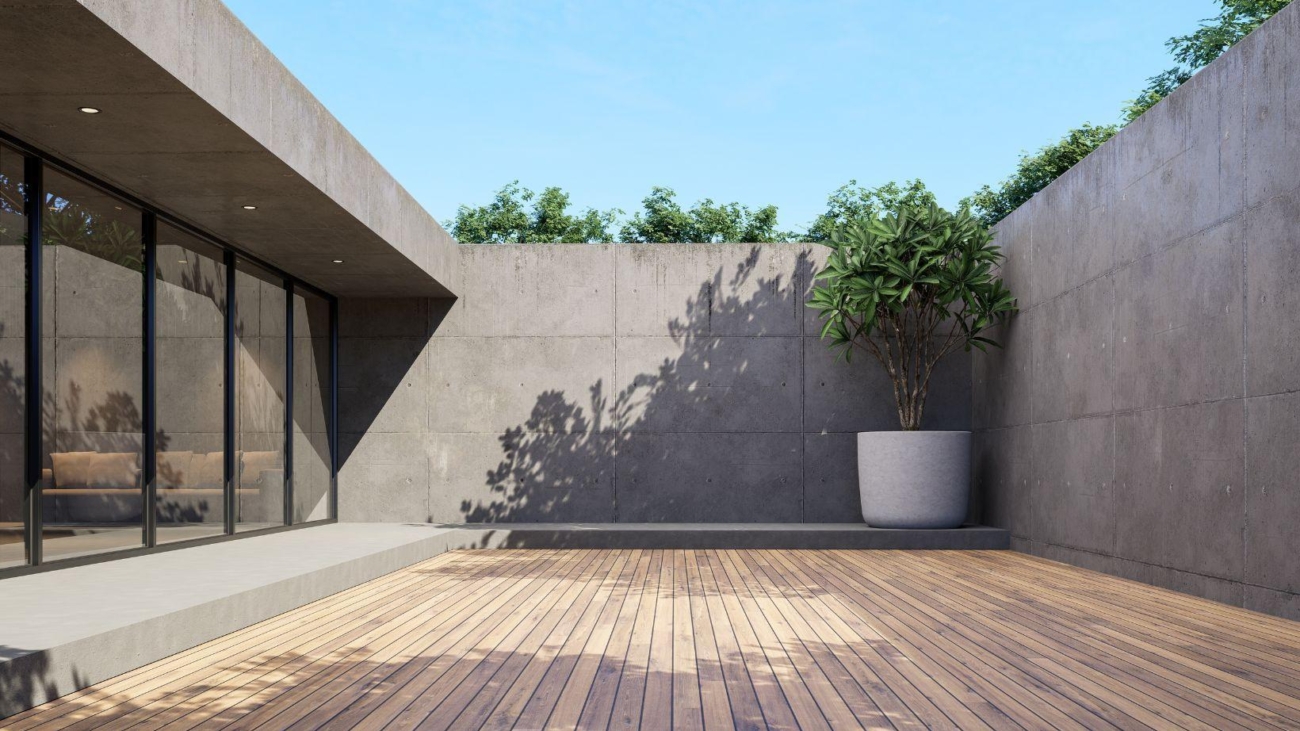
A patio takes on sun, rain, foot traffic, spills, and furniture marks. Bare concrete can stain, fade, or crack as seasons pass. The right coating can help protect the surface and refresh the space. Here is what to check before a patio upgrade.
Start With Patio Use and Weather
Professional installers such as Sundek of Austin typically walk a patio’s sun exposure, drainage, and traffic patterns before recommending a system, since the same coating can perform very differently depending on those conditions.
A patio should match the way the space gets used each week. Outdoor concrete coating options should be reviewed with sun exposure, shade, moisture, and foot traffic in mind. This helps with a better surface choice and may help improve daily comfort. A patio near a pool or garden may need extra grip.
Weather plays a large role in coating choice. UV exposure can affect color, while rain can test surface texture and bond strength. Temperature shifts may also stress the slab over time. A service provider can review the concrete and suggest practical options without a heavy sales push.
Look at Surface Condition First
The concrete itself needs a close check before any coating work begins. Cracks, pits, stains, and old sealers can affect the final result. Surface prep helps the coating bond well and last longer. Skipping this step can lead to peeling or uneven wear.
Small cracks may need repair before the patio gets coated. Serious damage, moisture issues, or soft spots may need a more careful plan. A clean and sound base gives the new surface a better chance to perform well.
Check Coating Types With Care
Patio coating choices can include sealers, epoxy, polyurea, and polyaspartic systems. The reference guide notes that outdoor patios face heat, cold, spills, and daily use, so protection against moisture and UV exposure matters. Some products focus on appearance, while others focus on stronger wear resistance. The right fit depends on the patio’s condition and use.
Key Features Worth a Review
A practical comparison should look past color alone. Helpful factors include:
- UV resistance
- Slip resistance
- Moisture protection
- Cure time
- Long-term care needs
Outdoor concrete coating options may help improve both durability and appearance when the product suits the space. Polyaspartic coatings are often discussed for UV stability and faster cure times. Epoxy may suit some interior spaces better than exposed patios. A neutral review helps match the material to the outdoor setting.
Think About Safety and Texture
Patio floors can become slick when wet, especially near pools, sprinklers, or shaded spots. Texture helps feet grip the surface better during daily use. A flake or chip finish may add traction while also hiding small marks. The goal is a surface that feels safe and easy to use.
Color and texture should also fit the home exterior. Very dark shades may absorb more heat in full sun. Lighter tones may help the surface feel cooler underfoot. The final choice should balance looks, comfort, and practical care.
Plan for Maintenance Over Time
A good coating still needs simple upkeep. Dirt, leaves, spills, and outdoor debris should be cleared before they sit too long. Gentle cleaning can help the finish look fresh through normal use. Harsh tools or strong chemicals may affect some surfaces.
Routine checks after storms or heavy use can help spot chips or worn areas early. Patio furniture pads may also help reduce scratches. A professional review every so often can aid to better long term care. With the right habits, the patio can stay more useful and easier to manage.
A long-lasting patio starts with the concrete condition, the climate, and the way the space gets used. Coating choice should consider grip, UV exposure, moisture, repair needs, and maintenance. The best option is the one that fits the surface and supports steady outdoor use. With a careful review, the patio can feel cleaner, safer, and better prepared for regular life outside.