
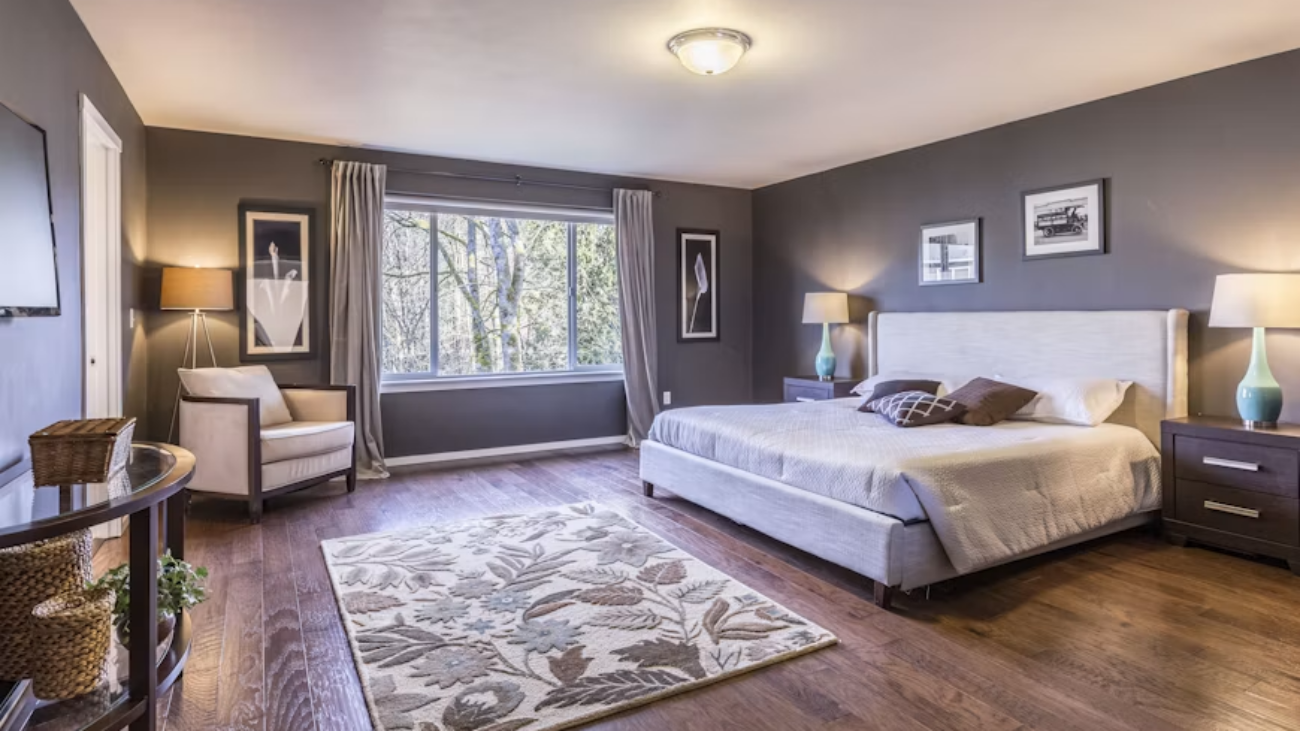
Your home should support your health – not work against it.
Function drives most peoples design. However your home layout has much more important tasks to perform than aesthetics. Your home environment influences your:
- Sleep quality
- Stress levels
- Daily energy
Little changes, room-by-room, can have BIG impact. You don’t have to gut your entire house to get started.
Here is how to do it…
In This Guide, You Will Discover:
- Why Room Layout Matters For Wellness
- The Bedroom – Your Wellness Foundation
- The Kitchen – Fuel Your Body Right
- The Living Room – Design For Calm
- The Bathroom & Home Office
Why Room Layout Matters For Wellness
Americans spend approximately 90% of their time indoors Fact: Your home is your environment.
And here’s what most people don’t realise…
The wellness real estate market is set to double to $1.1 trillion by 2029. Homeowners are starting to realize how room design impacts how you feel.
Every choice matters. From the materials in your furniture, to natural light, to airflow.
Pretty cool, right?
The good news? You can start room-by-room without spending a fortune.
The Bedroom – Your Wellness Foundation
The bedroom is where wellness begins.
You spend about one third of your life in bed. So it’s the most important room you need to get right.
Here’s why the bedroom matters most:
Your body heals itself while you sleep. But when your bedroom is polluted with unseen toxins, that process is compromised.
One of the biggest offenders? Your mattress.
Old fashioned foam mattresses emit VOCs (volatile organic compounds) into your breathing air every night. Flame retardants, synthetic foams and industrial glues contribute to these chemicals.
That’s why a non-toxic mattress is one of the best wellness investments any homeowner can make. A quality non-toxic mattress is made up of certified organic materials like natural latex, organic cotton and wool – free from harsh chemicals. And if you’re active or trying to recover from exercise, an athletic mattress made with pristine materials free of chemicals can also promote deeper sleep and quicker muscle recovery.
Look for third-party certifications like GOTS, GOLS, and MADE SAFE for peace of mind.
Beyond the mattress, your bedroom layout should:
- Keep the bed away from vents and radiators for stable temperature
- Include blackout curtains for deeper sleep
- Feature air-purifying plants like snake plants
- Minimise electronics that emit blue light
- Use natural fibre bedding (organic cotton, linen, or wool)
Place your bed so that you can see the door, but aren’t directly in line with it. This subconsciously makes you feel safe and allows your nervous system to calm down.
Simple stuff. Massive results.
The Kitchen – Fuel Your Body Right
The kitchen is the heart of your home. It’s where your family prepares and consumes meals together. Kitchen design significantly influences what you feed your family.
A wellness-focused kitchen should include:
- Plenty of natural light
- Non-toxic cookware (avoid non-stick pans with PFAS)
- A water filtration system
- Open storage that keeps whole foods visible
- Good ventilation over the stove
Here’s a tip most people miss…
Display bowls of fruit and healthy snacks on the counter. Having healthy foods visible will tempt you to eat them more. Tuck the unhealthy stuff away in a cupboard – or don’t buy it at all.
Steer clear of MDF cabinets if you can. MDF can contain formaldehyde and other VOCs that continue to off-gas into your kitchen long after installation.
Solid wood is always the better long-term investment. It’s slightly more expensive initially but it lasts longer and helps you maintain clean indoor air.
Bonus tip: put an air purifier near your stove to trap cooking fumes. If anyone in your family suffers from allergies or asthma, this will be life changing.
The Living Room – Design For Calm
Your living room should be relaxing, not a source of anxiety. A well lit open space can feel inviting, but smaller details are important as well.
Focus on these elements for a wellness-friendly living space:
- Natural materials (wood, wool, linen, cotton)
- Layered lighting instead of harsh overhead lights
- Air-purifying plants like pothos and peace lilies
- Comfortable seating that supports good posture
- Minimal clutter to reduce visual stress
Seat people around conversation groupings. It allows for family bonding instead of just the “sit-in-front-of-the-TV-only” arrangement.
Natural fibre rugs and curtains don’t come with synthetic smells associated with inexpensive polyester products. Wool rugs are inherently flame retardant so they don’t require chemical treatments.
That’s a win-win.
The Bathroom – A Personal Retreat
Bathrooms are frequently forgotten when planning for wellness. However, they should be your own private sanctuary, like a little spa.
Consider these small changes:
- Swap plastic shower curtains for organic cotton or hemp
- Install a filtered showerhead to remove chlorine
- Use low-VOC paints when refreshing walls
- Add ventilation to reduce mould growth
- Store cleaning products away from personal care items
Natural stone, ceramic, glass are far superior finishes to plastic in bathrooms. They’re also more easily cleaned without bleach.
The Home Office – Design For Focus
If you work remotely, your home office setup can make or break your energy/motivation levels.
Set up your workspace with:
- A window nearby for natural light
- A supportive ergonomic chair
- Plants to improve air quality
- Blue-light-filtering screens
- A door you can close to separate work from rest
Your home office should be treated just like your bedroom when it comes to wellness. Bad posture, fake light and stagnant air will zap you quicker than anything else.
Ideally, you want your desk against the wall with your back to the door, but not in front of a window. You should have natural light coming to your workspace from the side to avoid glare on your screen.
Bringing It All Together
A healthy home design doesn’t have to break the bank. Invest in one room at a time.
Start with the bedroom.
It’s where your body heals the majority of itself, so the benefit is tremendous. Having a non-toxic mattress, clean bedding, and improved air flow are your fastest results.
Then work through the rest of your home:
- Kitchen – for clean eating and safe cooking
- Living room – for calm, connection and reduced stress
- Bathroom – for daily restoration
- Home office – for focus and better energy
It all builds up. Greener materials, improved ventilation and mindful designs contribute to living space that cultivates the way you want to think daily.
Are you excited but don’t know where to begin? Choose one room this week and tackle one area. Baby steps will lead to giant leaps for wellness.