unnamed (19)

Sustainable Material Options for Eco-Friendly Construction

Environmental concerns have propelled the construction industry to rethink traditional building methods and materials. With the increasing impact of climate change and depleting natural resources, adopting eco-friendly practices has become imperative.

The contemporary approach to sustainable construction involves utilizing materials that reduce harm to the planet, enhance energy efficiency, and promote healthcare and wellbeing among occupants. This transformation led to significant cost savings in the long term. Various options are available in the realm of sustainable materials, each contributing uniquely to an eco-friendly approach in construction projects.

Benefits of Using Sustainable Materials

Choosing sustainable materials comes with numerous advantages that extend beyond the immediate building phase. First and foremost, they often reduce energy consumption throughout a building’s life cycle.

In turn, lowers greenhouse gas emissions. Many sustainable materials are made from renewable resources, which means they lower dependency on finite raw materials. Economically, the initial costs may be higher.

Savings from energy efficiency, reduced waste, and improved indoor air quality can surpass these upfront investments. Another vital aspect is the positive impact on occupant health. Sustainable materials often avoid harmful chemicals, creating a safer indoor environment.

Types of Sustainable Materials for Construction

The variety of sustainable materials available for construction proves that this method can cater to multiple architectural styles and needs.

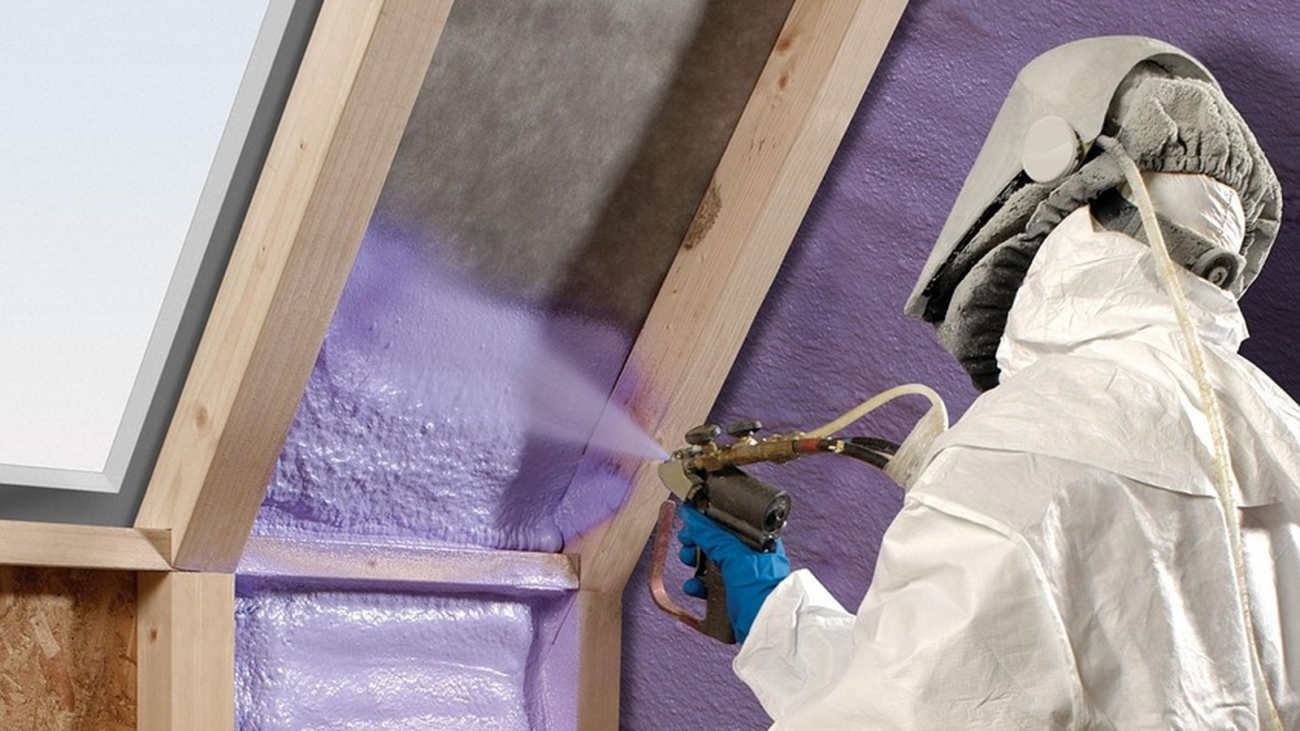
Examples include recycled steel, reclaimed wood, and low-impact insulation materials. Among these, sustainable timber stands out due to its versatility and aesthetic appeal, combining environmental consciousness with functional benefits. Utilizing reclaimed materials is another method that enhances sustainability, reducing waste in landfills by giving old resources a new life and purpose.

Choosing these materials supports ecological balance and can foster a unique aesthetic that reflects historical and cultural aspects.

Eco-Friendly Insulation Options

Insulation plays a crucial role in energy conservation and maintaining comfortable indoor temperatures. Traditional insulation materials can have harmful environmental impacts both in production and disposal.

Alternatives such as sheep’s wool, cellulose (made from recycled paper), and straw bales provide excellent insulation while minimizing environmental effects. Sheep’s wool is known for its breathability, moisture regulation, and natural fire resistance, while cellulose insulation helps in recycling paper waste.

Straw bales, another innovative solution, are sustainable, affordable, and provide impressive thermal performance, making them ideal for eco-friendly construction.

A New Era of Construction

Concrete has long been a staple in construction. Its environmental footprint is considerable due to the energy-intensive process of production. Innovations have led to the emergence of green concrete, which contains recycled materials like fly ash or slag and uses less water and energy during the curing process.

This reduces CO2 emissions and enhances the material’s strength and durability. Advanced concrete formulations can incorporate biobased additives that promote sustainability, paving the way for more responsible practices in urban environments.

The Role of Waste in Sustainable Construction

Recycling construction waste is significant for achieving sustainable building goals. The construction sector is responsible for roughly one-third of global waste generation. Efficient management and utilization of materials such as old bricks, concrete, and metals can significantly decrease waste while feeding back into the construction process.

Large-scale projects are increasingly utilizing sophisticated waste management systems, ensuring that salvageable materials are reused effectively. Through innovative recycling processes, these materials can serve as valuable inputs in the creation of new structures.

Long-Term Viability and Future Trends

As eco-consciousness continues to rise, the future of construction will inevitably be shaped by sustainability trends. The adoption of smart technologies that monitor energy use and materials will probably become more commonplace.

Such advancements will assist stakeholders in making data-driven decisions regarding resource management and building performance. Biophilic design is gaining traction, incorporating natural elements directly into architectural spaces to enhance occupants’ experience while reinforcing environmental aesthetics.

These trends indicate a committed shift towards sustainable construction practices that will likely define the next generations. As regulations and consumer expectations continue to evolve, companies that embrace these innovations early will be better positioned for long-term success. Integrating sustainability into construction is no longer a trend but a strategic necessity for future-ready development.

The shift towards sustainable material options in the construction industry reflects a growing awareness of environmental impact. Utilizing materials that emphasize renewable resources, energy efficiency, and reduced waste contributes to the planet and enhances the quality of life for residents.

With ongoing developments in insulation, waste management, and material sourcing, the construction sector can move towards a more sustainable future that addresses both people’s needs and environmental challenges.

By selecting eco-friendly materials and adopting innovative approaches, builders and architects can play a pivotal role in fostering sustainability and setting a foundation for environmentally responsible construction practices.


3

Luxe Play Mats and Playroom Area Rugs: Combining Comfort and Style

Welcome to a world where playtime meets elegance! In today’s blog post, we’re diving into the delightful realm of luxe play mats and stylish area rugs that transform ordinary playrooms into chic sanctuaries. Gone are the days when children’s spaces were merely functional; now they can be both practical and aesthetically pleasing. Imagine your little ones giggling as they explore their creativity on plush, beautifully designed surfaces that add a touch of sophistication to your home decor. 

Whether you’re a parent seeking comfort for tiny tummies or an interior design enthusiast looking to elevate your space, join us as we unveil the perfect blend of comfort and style in children’s play areas. Get ready to rethink everything you thought you knew about kids’ interiors. Let’s create inviting spaces where every moment is both playful and posh!

Benefits of Using Luxe Play Mats and Playroom Area Rugs

Let’s start by exploring the many benefits of incorporating luxe play mats and playroom area rugs into your home. It’s no secret that children spend a significant portion of their time playing on the floor. Whether it’s rolling around, crawling, or building towers, kids are constantly interacting with the ground. So why not make sure that this surface is both safe and comfortable for them? Here’s a closer look at how luxe play mats and playroom area rugs can enhance your child’s playtime experience:

  • Soft and Safe Surface: Toddlers and young children are curious by nature, often crawling or toddling around the house as they explore their surroundings. This makes the ground a prime play area for them. However, hard floors can be uncomfortable to play on and can lead to injuries, especially if your child is still learning to walk. A plush play mat or area rug provides a soft surface for your little ones to play on, reducing the risk of bumps and bruises. 
  • Hygienic: Children are notorious for spills and messes, and playtime is no exception. That’s why it’s essential to have a surface that is easy to clean and maintain. Luxe play mats and area rugs are 100% waterproof, making them a breeze to clean. Simply wipe up spills and crumbs with a damp cloth or sponge.
  • Noise Reduction: Playtime can get pretty noisy, especially if you have multiple children playing at once. Unlike hard floors that amplify sound, luxe play mats and area rugs are designed to absorb noise, making them ideal for playrooms. 
  • Style and Comfort: Last but not least, luxe play mats and area rugs add a touch of elegance to playrooms. With a variety of colors, patterns, and textures to choose from, these mats and rugs can instantly elevate any space. 

Tips for Choosing the Perfect Luxe Play Mats and Area Rugs

Now that we’ve explored the benefits of luxe play mats and area rugs, let’s look at some tips for choosing the perfect ones for your child’s playroom:

  • Material: The material of your play mat or area rug is crucial, especially if you have little ones with allergies or sensitive skin. Opt for hypoallergenic materials such as microfiber, cotton, or bamboo, which are gentle on the skin and easy to clean.
  • Size and Shape: Consider the size and shape of your play mat or area rug, depending on the size of your playroom and the activities your child enjoys. If your child loves building blocks or playing with toys on the floor, a larger square or rectangular mat may be more suitable. If your child enjoys imaginative play or reading, a circular or oval rug can create a cozy nook for them. 
  • Design: Luxe play mats and area rugs come in a variety of designs, from playful patterns to elegant neutrals. Choose a design that complements the overall theme and decor of your playroom. 
  • Safety Features: Look for play mats and area rugs with non-slip backing to prevent slips and falls, especially if your child is still learning to walk. Additionally, make sure the materials used are non-toxic and free from harmful chemicals.  

Conclusion 

Luxe play mats and area rugs are a must-have for any playroom. Not only do they provide a safe and comfortable surface for your child to play on, but they also add style and personality to the space. By considering factors such as material, size, design, and safety features, you can choose the perfect play mat or area rug for your child’s playtime needs.

image

How Thoughtful Design Decisions Shape Long-Term Home Remodelling Results

Good remodels feel seamless on day one, but great remodels keep working for you in year ten. The difference often comes down to a string of small design choices that either reinforce each other or slowly unravel. When you zoom out and plan for the whole life of a space, you protect your budget, your comfort, and your home’s value.

Thinking long term does not mean overbuilding or chasing trends. It means being honest about how you live, choosing systems that are easy to maintain, and making room for change. With that mindset, each decision becomes a lever for durability, flexibility, and daily ease.

Design With The End In Mind

Start by writing a clear brief and mapping where you want to be in 5 to 15 years. Life tends to drift, so your plan should allow for different seasons, from hosting a crowd to working from home. When you know the why behind every change, you can resist features that look exciting but won’t earn their keep.

Scale and proportion shape satisfaction more than flashy finishes. Counter heights, doorway widths, and sightlines decide whether a room feels calm or cramped. If you size things to the people and the tasks, you reduce future rework and keep the house feeling balanced.

Finally, connect rooms with consistent logic. Align circulation paths, cluster noisy zones, and plan storage near the point of use. The layout becomes muscle memory, and that comfort pays off long after the paint dries.

Plan Layouts That Age Gracefully

A flexible layout prevents expensive bottlenecks later. Keep wet zones stacked where possible, use common wall cavities for utilities, and leave chases that can accept new runs without demolition. Access panels are not glamorous, but they are the cheapest insurance you can buy.

Think about maintenance when you place things. Finding Kitchen improvement services in Orange County or other places can realign work triangles, relocate appliances, and add landing zones without tearing up the whole house. When clearances, workflows, and safety are tuned, you feel it every single day.

Flow matters beyond the kitchen. In baths and mudrooms, plan for wet gear, pet care, and aging in place with curbless transitions and blocking for future grab bars. These small moves add up to years of comfort.

Materials That Wear Well And Look Better 

Choose finishes that can be renewed rather than replaced. Solid wood, real stone, and high-pressure laminates can be repaired and refinished, while thin veneers and soft plastics often scar permanently. A material that patinas gracefully will outlast a pristine surface that falls apart under normal use.

Surface texture hides wear: honed tiles, matte metals, and open-grain woods mask micro-scratches and oils from daily life. High gloss has a place, but it demands constant upkeep, which can grow old when routines get busy.

Mind edges and junctions. Bullnosed corners, eased countertop edges, and sealed cut lines resist chips and swelling. If water cannot sneak in and sharp corners do not invite damage, the whole room looks better for longer.

Energy Codes And Smart Efficiency Choices

Efficiency is a design decision with compound returns. Sealing the envelope, sizing mechanicals correctly, and choosing right-sized windows can stabilize temperatures, tame humidity, and lower noise. The result is a home that feels steady in summer and winter, which makes every other upgrade perform better.

Policy timelines should guide your selections, too. The California Energy Commission has set a clear marker that buildings with permit applications filed on or after January 1, 2026, must meet the 2025 Energy Code, so planning to exceed minimums today can prevent near-term compliance headaches when you phase work across seasons. Using this horizon to pick lighting, controls, and ventilation avoids the trap of replacing components twice in a short span.

Appliance choices carry hidden infrastructure costs. An induction cooktop or heat pump might require panel capacity, dedicated circuits, or new venting strategies. If you route conduits and size panels during a remodel, upgrades later are mostly plug-and-play.

Storage And Systems You Can Live With

Storage is successful when items land where you reach for them without thinking. Deep drawers beat open shelves for heavy cookware, and pullouts near prep zones save steps. In closets, double-hang sections and modular inserts adapt as wardrobes change.

Design for cleaning as a daily habit. Floating vanities, wall-hung toilets, and baseboard details without dust-catching ledges shorten the time from messy to tidy. When cleanup is easy, spaces last because grime never has a chance to grind in.

Treat mechanicals like a room, not an afterthought. Group shutoff valves, label circuits, and leave service clearances. You will thank the present you when a repair takes minutes rather than hours of hunting.

Light, Color, And Acoustics That Endure

Good lighting starts with daylight, then layers task and ambient sources to fill gaps by time of day. Dimmers and multiple circuits let you tune the mood without changing fixtures, which is a quiet form of longevity. Face work surfaces with light rather than backlighting them to reduce shadows and eye strain.

Color does heavy lifting. Midtone palettes handle scuffs better than stark white, while deep tones add depth without showing every fingerprint. If you choose a restrained base, you can refresh a room with textiles and art rather than repainting the whole envelope.

Do not ignore sound. Soft boundaries like rugs, drapery, and acoustic underlay calm busy kitchens and open living rooms. When a space sounds settled, it reads as higher quality, even before guests notice the details.

Budget, Phasing, And The Cost Of Waiting

Life rarely allows a single giant project, which is why phasing matters. Set a master plan, then stage work so each phase stands alone, with temporary terminations that won’t be ripped out next time. This keeps progress steady and avoids the fatigue of living in a jobsite.

Spend where touch and performance intersect. Hardware, hinges, drawer slides, and faucets are used dozens of times a day. When these parts feel solid, the entire remodel feels premium, even if you economize on less critical surfaces.

Add a contingency that respects reality. Hidden conditions, lead times, and small scope tweaks will appear, and a healthy buffer turns them into routine choices instead of derailments. A calm project culture is part of longevity, too.

Wrap your remodel with patience and clarity, and it will pay you back day after day. When every decision supports the next, your home stays adaptable, comfortable, and easier to love.

The best projects honor both present taste and future needs. If you plan for change, protect the basics, and invest in what you touch most, the results will feel right not just this year but for many to come.


unnamed (17)

How To Handle Roof Leaks In An Emergency

Experiencing a roof leak can be a stressful and potentially damaging situation. Whether it’s from heavy rainfall, a snowstorm, or the gradual wear and tear of an aging roof, knowing how to respond quickly and effectively to a roof leak can save you time, money, and hassle.

Emergencies can arise at any moment. With some planning and knowledge, you can mitigate the damage and protect your home.

Recognizing the Signs of a Roof Leak

The first step in handling a roof leak is being able to recognize its signs. Look for water stains on your ceiling or walls, peeling paint, or the presence of mold or mildew. If you notice any of these indicators, it’s important to act quickly.

Ignoring these signs can lead to more extensive damage, potentially compromising the structural integrity of your home. Pay particular attention to areas around chimneys, vents, and skylights, as these are common spots for leaks to occur.

Another important sign of a roof leak is if you notice a sagging roof or missing shingles. A sagging area on your roof may indicate that water has accumulated on the roof deck, and structural damage may already exist. You must address these situations promptly to avoid complications.

Immediate Actions to Take

Once you recognize a leak, the next step is to contain the damage as much as possible. Start by moving furniture and valuable items away from the affected area. If the leak has created a puddle or standing water, use buckets or other containers to capture the water and prevent it from pooling.

If you have access to the roof, look for missing shingles or visible holes where water could be entering. Carefully inspect these areas to determine whether you can cover them temporarily with a tarp or other waterproof material.

In cases where the leak is severe, you may need to utilize a larger waterproof material to fully encapsulate the damaged area. This emergency fix can provide temporary relief until professional help arrives. If you feel confident, you can make temporary repairs using flashing or sealant to minimize water intrusion.

Contacting Roofing Professionals

After containing the leak, it’s critical to reach out to professionals for a permanent solution. As explained by experts from First American Roofing, locating reliable roofing contractors is crucial to ensure that the underlying issues are correctly addressed. Depending on the severity and complexity of the leak, they may need to replace shingles, tighten loose flashing, or even conduct a complete roof inspection to uncover any hidden problems.

When engaging with roofing contractors, make sure to have all relevant details handy about the leak, such as when it started, its location, and the damage observed inside your home. This information will help the contractors diagnose the issue faster and provide an accurate estimate for repairs.

What to Do Until Help Arrives

While waiting for professional assistance, monitor the leak and any changes in the environment. If the rain intensifies, the leak may worsen, which could lead to damage.

Using a waterproof tarp to cover the affected area from the outside can provide a temporary solution. Ensure the tarp is securely fastened to avoid being blown away by strong winds.

It’s important to stay vigilant about any other potential complications, such as electrical hazards. Water leaking near electrical outlets or fixtures poses a significant risk. Turn off the power to that area if it’s safe to do so until assistance arrives. Your safety should always be your top priority.

Assessing the Damage After Repairs

Once your roofing contractor has completed the necessary repairs, it’s time to assess the damage inside your home. Conduct a thorough inspection of the affected area.

Look for any signs of mold or mildew and consider applying a mold remediation treatment if necessary to prevent future problems. Keeping your home dry is key in the war against mold growth, which can lead to health issues.

If your insulation was affected by the leak, that needs careful consideration. Water damage can reduce the effectiveness of insulation, and you may need to replace any soaked or compromised materials. Proper insulation is vital for comfort and for energy efficiency.

Preventative Measures for the Future

Taking proactive steps to prevent future leaks can save you time and money down the road. Regularly inspect your roof for signs of damage or wear after storms.

Cleaning your gutters and ensuring proper drainage will help minimize the chances of water pooling on your roof. Having your roof inspected and maintained by professionals at least once a year can catch potential problems before they escalate.

Consider installing a roof underlayment or waterproof membrane if you live in an area with frequent rain or snow. These materials can provide a layer of protection against leaks and extend the lifespan of your roof.

Understanding Your Insurance Coverage

Familiarize yourself with your homeowner’s insurance policy. Depending on the cause of the leak, it may be covered under your policy, allowing you to seek reimbursement for repairs. Contact your insurance agent to clarify what is included and any steps you must follow to file a claim. Knowing your coverage can help ease the financial burden of unexpected roof repairs.

A roof leak can be a daunting issue. Swift response and careful management can mitigate the damage significantly. By recognizing the signs early, taking immediate actions, and involving professionals quickly, you can safeguard your home against the detrimental effects of roof leaks.


Handling a roof leak effectively comes down to quick action, safety awareness, and timely professional support. Addressing the problem early helps prevent costly repairs and protects your home’s structure and interior. With proper maintenance and preparedness, homeowners can reduce the impact of emergencies and maintain peace of mind when unexpected leaks occur.


airtable_694eeca6452c5-1

Do Stainless Steel Appliances Increase Home Value?

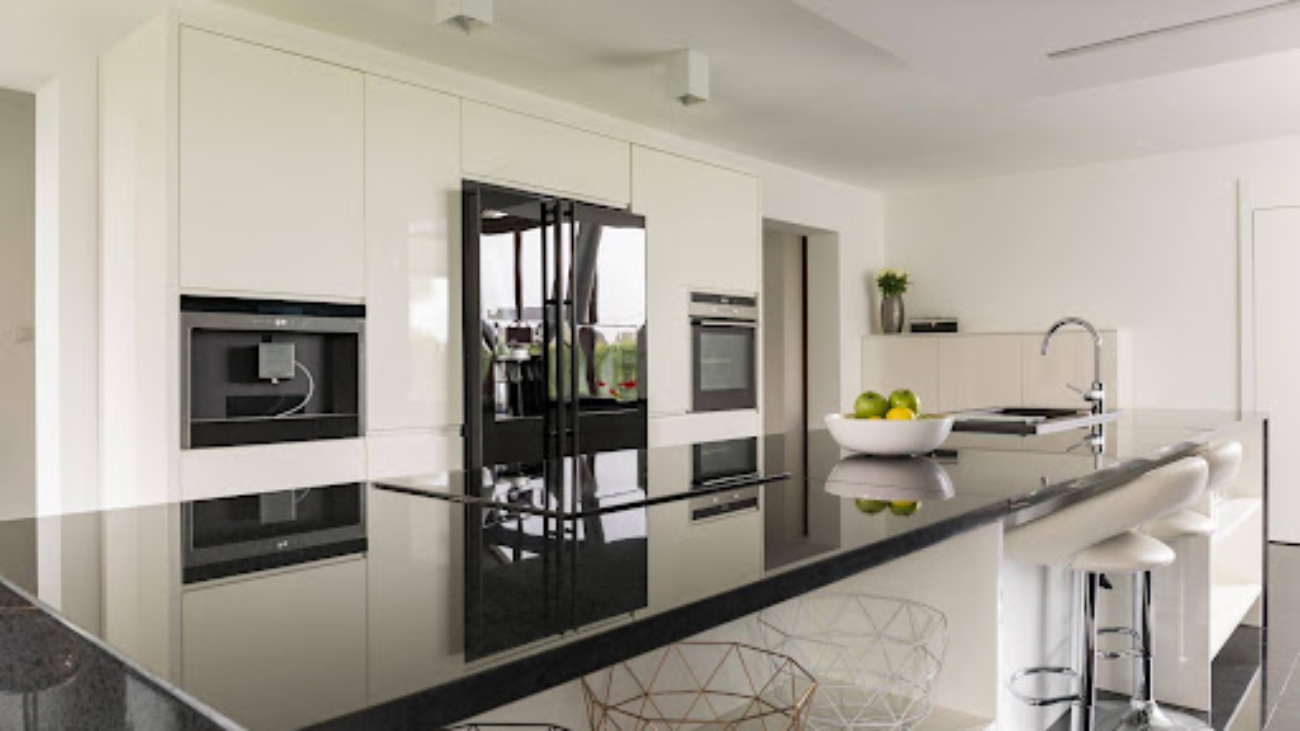
Picture this: You walk into a kitchen, sunlight bouncing off a sleek stainless steel fridge. The counters are clear, the appliances gleam, and you can almost smell fresh coffee brewing. If you’ve ever wondered, “do stainless steel appliances increase home value?”—you’re not alone. Homeowners, realtors, and even first-time buyers ask this question every day, hoping for a simple answer. The truth? It’s not just about the shine. It’s about psychology, trends, and the little details that make buyers say, “Wow, I want to live here.”

Why Stainless Steel Appliances Matter to Buyers

Let’s get real. Most people don’t buy a house because of the oven. But kitchens sell homes, and stainless steel appliances play a starring role. They signal modernity, cleanliness, and a move-in-ready vibe. If you’ve ever toured a house with mismatched, outdated appliances, you know the feeling—something’s off. Stainless steel, on the other hand, feels like a fresh start.

Here’s why: Stainless steel appliances look expensive, even when they’re not. They reflect light, making kitchens feel bigger and brighter. They also match almost any cabinet color or countertop, so buyers don’t have to imagine a costly remodel. In a 2023 survey by the National Association of Realtors, 75% of agents said updated kitchens with stainless steel appliances helped homes sell faster. That’s not just a trend—it’s a pattern.

Do Stainless Steel Appliances Increase Home Value?

Let’s break it down. The main keyword—do stainless steel appliances increase home value—gets searched thousands of times a month. People want a clear answer. Here’s the part nobody tells you: Stainless steel appliances rarely add dollar-for-dollar value. You won’t spend $5,000 on a new fridge and see your home price jump by $5,000. But they do something just as important—they boost perceived value.

Perceived value is the magic that makes buyers fall in love. When buyers see stainless steel appliances, they assume the home is well cared for. They picture themselves cooking, entertaining, and living their best life. That emotional connection can lead to higher offers and fewer days on the market. In competitive neighborhoods, homes with stainless steel appliances often sell for 2-5% more than similar homes with older appliances. That’s real money.

What the Data Says

If you’re a numbers person, here’s what you need to know. According to Zillow, homes with updated kitchens—including stainless steel appliances—sell up to 10 days faster than those without. Another study by Consumer Reports found that kitchen upgrades, especially new appliances, can return 60-80% of their cost at resale. That’s not a guarantee, but it’s a strong nudge in favor of stainless steel.

  • Homes with stainless steel appliances sell faster
  • Buyers are willing to pay more for a “move-in-ready” kitchen
  • Stainless steel is the most requested finish in kitchen remodels

But here’s the catch: If every home in your area already has stainless steel, you’re just keeping up—not standing out. If your neighborhood is full of older homes with white or black appliances, stainless steel can give you a real edge.

Who Should Invest in Stainless Steel Appliances?

If you’re planning to sell in the next year or two, stainless steel appliances are a smart move. They’re especially effective if your current appliances are mismatched, outdated, or showing their age. But if you just bought a new set in another finish, don’t rush to replace them. The return on investment drops if your appliances are already in good shape and work well.

This advice isn’t for everyone. If you’re in a luxury market, buyers might expect high-end brands like Sub-Zero or Wolf. In a starter home, buyers just want clean, functional appliances. Know your audience. If you’re not sure, ask a local real estate agent what buyers in your area expect.

Common Mistakes Homeowners Make

Here’s a story: A couple I know spent $8,000 on top-of-the-line stainless steel appliances, thinking it would add $10,000 to their home’s value. Their house sold quickly, but the appraiser didn’t give them extra credit for the fancy fridge. The lesson? Don’t overspend. Choose mid-range, reliable brands that look great and work well. Most buyers can’t tell the difference between a $1,200 and a $3,000 dishwasher, but they’ll notice if it’s scratched or noisy.

  • Don’t buy the most expensive model—mid-range is usually enough
  • Match all appliances for a cohesive look
  • Keep appliances clean and well-maintained

And here’s the part nobody tells you: Stainless steel shows fingerprints. If you have kids or pets, be ready to wipe them down before every showing. It’s a small price for a big impact.

Alternatives to Stainless Steel

Maybe you’re not a fan of the stainless look. That’s okay. Black stainless, matte finishes, and even retro colors are making a comeback. But if you want broad appeal, stainless steel is still the safest bet. It’s the “little black dress” of kitchen design—timeless, versatile, and always in style.

Actionable Tips for Sellers

  1. Assess your current appliances. Are they mismatched, old, or broken? If yes, consider upgrading to stainless steel.
  2. Shop sales and look for package deals. Many stores offer discounts when you buy three or more appliances together.
  3. Install appliances before listing your home. Buyers want to see the finished product, not a promise.
  4. Keep receipts and warranties. Buyers love knowing appliances are new and covered.
  5. Highlight stainless steel appliances in your listing photos and description. Don’t assume buyers will notice—tell them.

The Bottom Line

If you’re still asking, “do stainless steel appliances increase home value?”—the answer is yes, but not in the way you might think. They boost your home’s appeal, help it sell faster, and can nudge buyers to offer more. But they’re not a magic bullet. Use them as part of a bigger strategy: clean, declutter, and stage your home to shine. If you do, you’ll give buyers that “wow” moment—and maybe even a bidding war.

airtable_694eeca5967c6-1

Mobile Home Appliances: A Comprehensive Guide

Picture this: You’re standing in your mobile home kitchen, coffee brewing, sunlight streaming through the window. The fridge hums quietly, the compact washer spins in the corner, and your phone charges on a tiny countertop. If you’ve ever wondered how to make life in a mobile home feel just as comfortable as a traditional house, mobile home appliances are the secret sauce. But here’s the part nobody tells you—choosing the right appliances isn’t just about size. It’s about power, efficiency, and making every square inch count.

Why Mobile Home Appliances Matter

Mobile home appliances aren’t just shrunken versions of what you’d find in a regular house. They’re designed for smaller spaces, lower power usage, and sometimes, a little more creativity. If you’ve ever tried to fit a full-size fridge through a mobile home door, you know the struggle. The right appliances can turn a cramped space into a cozy, functional home. The wrong ones? Well, let’s just say you’ll be eating a lot of takeout.

What Makes an Appliance “Mobile Home Friendly”?

Not all appliances work well in mobile homes. Here’s why:

  • Size: Standard appliances often won’t fit through doors or in tight spaces.
  • Power: Mobile homes sometimes have different electrical setups. Using the wrong appliance can trip breakers or worse.
  • Ventilation: Some appliances, like dryers or stoves, need special venting in mobile homes.
  • Weight: Heavy appliances can stress the structure of a mobile home.

If you’ve ever tried to wedge a king-size washer into a single-wide, you know what I mean. Here’s the trick: Look for appliances labeled “mobile home compatible” or “compact.”

Essential Mobile Home Appliances

Let’s break it down. These are the must-haves for most mobile homes:

Refrigerators

Mobile home refrigerators come in all shapes and sizes. The sweet spot? Around 10-18 cubic feet. That’s big enough for groceries, but small enough to fit. Some people swear by under-counter fridges or even dual-zone coolers. If you’re a meal-prep fanatic, you might need a bit more space. But if you’re living solo or as a couple, a compact fridge saves energy and space.

Stoves and Ovens

Here’s where things get interesting. Many mobile homes use gas stoves, but electric models are gaining ground. Look for 20-24 inch ranges. Some folks opt for two-burner cooktops and a countertop oven. If you love to bake, check the oven’s interior size—some are too small for standard cookie sheets. Trust me, I learned that the hard way.

Washers and Dryers

Stackable washer-dryer combos are a game-changer for mobile homes. They fit in closets or corners and use less water. Ventless dryers are another option, especially if you can’t add a vent. If you’re tight on space, consider a portable washer you can roll out when needed. I once used a hand-crank washer for a year—my arms got strong, but I wouldn’t recommend it unless you love laundry as cardio.

Dishwashers

Yes, you can have a dishwasher in a mobile home. Look for 18-inch models or countertop versions. They use less water and power, and you’ll never have to argue about whose turn it is to wash up.

Heating and Cooling

Mobile homes heat up and cool down fast. A good HVAC system is key. Many people use mini-split systems or portable AC units. Electric fireplaces add warmth and a cozy vibe. If you’re in a cold climate, check your insulation and consider a programmable thermostat. I once spent a winter with a single space heater—never again.

Smart Appliances for Mobile Homes

Smart technology isn’t just for fancy condos. Mobile home appliances now include Wi-Fi-enabled thermostats, smart plugs, and even voice-controlled lights. These gadgets help you save energy and make life easier. Imagine turning on your coffee maker from bed or checking your fridge’s contents from the grocery store. It’s not science fiction—it’s just smart planning.

Tips for Choosing Mobile Home Appliances

  1. Measure everything. Doors, hallways, nooks—measure twice, buy once.
  2. Check power requirements. Some mobile homes use 120V, others 240V. Don’t guess.
  3. Think about water usage. Especially for washers and dishwashers. Low-flow models save money.
  4. Read reviews from other mobile home owners. They’ll tell you what works and what doesn’t.
  5. Consider multi-use appliances. Air fryer toaster ovens, washer-dryer combos, and convertible fridges are lifesavers.

Here’s the part nobody tells you: Sometimes, the best appliance is the one you don’t buy. If you rarely bake, skip the oven and get a toaster oven. If you eat out a lot, a mini fridge might be all you need. Your space, your rules.

Common Mistakes and How to Avoid Them

  • Buying too big: That double-door fridge looks great—until you can’t open the kitchen drawers.
  • Ignoring ventilation: Gas stoves and dryers need proper vents. Skipping this step can be dangerous.
  • Overloading circuits: Plugging in too many appliances can trip breakers. Spread out your power use.
  • Forgetting about weight: Heavy appliances can damage floors. Check your mobile home’s specs.

I once bought a full-size washer without checking the floor strength. The result? A sagging spot in the hallway and a lesson I’ll never forget.

Who Should Invest in Mobile Home Appliances?

If you live in a mobile home full-time, these appliances are a must. They’re also great for tiny homes, RVs, and cabins. But if you only use your mobile home for weekends, you might get by with fewer gadgets. Ask yourself: What do I use every day? What can I live without? The answers will save you money and space.

Where to Buy Mobile Home Appliances

Big box stores carry some options, but specialty retailers often have the best selection. Online shops like Mobile Home Parts Store or Compact Appliance offer models designed for small spaces. Always check return policies—sometimes, things just don’t fit, no matter how well you plan.

Final Thoughts: Making Your Mobile Home Work for You

Mobile home appliances aren’t just about convenience—they’re about making your space feel like home. The right fridge, stove, or washer can change your daily routine. The wrong one can drive you nuts. If you’ve ever struggled with cramped counters or tripped over cords, you know the stakes. Choose wisely, measure everything, and don’t be afraid to get creative. Your mobile home deserves appliances that work as hard as you do.

airtable_694eeca4f41b1-1

Tiny Home Appliances and Furniture: Transforming Small Spaces into Smart Living

Picture this: You’re standing in a kitchen the size of a walk-in closet, coffee mug in hand, staring at a toaster that doubles as an oven and a fridge that’s barely wider than your laptop. If you’ve ever tried to make a home out of a studio apartment, a tiny house, or even a converted van, you know the struggle. Tiny home appliances and furniture aren’t just about saving space—they’re about making every square inch work harder, smarter, and sometimes, a little weirder than you ever expected.

Why Tiny Home Appliances and Furniture Matter

Let’s be honest. Most of us don’t dream of living in a shoebox. But skyrocketing rents, a craving for simplicity, or the thrill of living with less can push us into small spaces. Here’s the part nobody tells you: tiny home appliances and furniture can actually make life better, not just smaller. They force you to rethink what you need, what you love, and what you can live without. Suddenly, a fold-down desk or a washer-dryer combo isn’t just a convenience—it’s a lifeline.

What Makes Tiny Home Appliances and Furniture Different?

It’s not just about shrinking things. The best tiny home appliances and furniture do double (or triple) duty. They’re designed for people who need a blender that fits in a drawer, a bed that disappears into the wall, or a table that seats six but folds to the size of a suitcase. If you’ve ever cursed at a bulky vacuum or tripped over a coffee table, you’ll appreciate the genius behind these space-saving wonders.

Real-Life Example: The Murphy Bed Mishap

Here’s a confession: I once tried to assemble a Murphy bed in a 200-square-foot apartment. I lost a screw, pinched my finger, and nearly took out a lamp. But when it finally worked, I had a living room by day and a bedroom by night. That’s the magic of tiny home appliances and furniture—they turn mistakes into lessons and small spaces into homes.

Top Tiny Home Appliances That Pack a Punch

  • Mini Fridges: Today’s models can chill a week’s groceries and still fit under a counter. Some even have freezer drawers for late-night ice cream runs.
  • Combo Washer-Dryers: No more laundromat marathons. These machines wash and dry in one cycle, perfect for tight corners.
  • Induction Cooktops: Portable, safe, and easy to stash away. You can cook a full meal, then reclaim your counter space.
  • Multi-Function Ovens: Air fry, bake, toast, and broil—all in one box. Some even fit inside a cabinet when not in use.
  • Compact Dishwashers: Countertop models use less water and energy, and they’re a lifesaver if you hate hand-washing.

Here’s why these matter: They let you keep your routines without sacrificing space or sanity. If you’ve ever tried to cook a holiday meal in a galley kitchen, you know the value of every inch.

Furniture That Does More Than Sit Pretty

Tiny home appliances and furniture aren’t just about gadgets. The right furniture can change how you live. Think of a sofa that hides storage, a dining table that folds flat, or a set of nesting stools that double as nightstands. These pieces don’t just save space—they create it.

Smart Furniture Ideas for Small Spaces

  • Wall-Mounted Desks: Fold them down for work, fold them up for yoga. No more sacrificing your living room to your laptop.
  • Convertible Sofas: Today’s models switch from couch to bed in seconds, with no awkward metal bars digging into your back.
  • Expandable Tables: Host a dinner party, then shrink your table back to a two-seater. Magic, right?
  • Stackable Chairs: Pull them out for guests, stack them away when you’re solo.
  • Hidden Storage Ottomans: Stash blankets, books, or even your secret snack stash.

If you’ve ever stubbed your toe on a clunky coffee table, you’ll love how these pieces make your space feel bigger and smarter.

Who Should (and Shouldn’t) Embrace Tiny Home Appliances and Furniture?

If you love collecting stuff, hate change, or need a walk-in closet for your shoe collection, tiny home appliances and furniture might drive you nuts. But if you crave simplicity, want to save money, or just need to make a small space feel like home, these solutions are for you. They’re perfect for city dwellers, students, digital nomads, and anyone who wants to live with less but better.

Lessons Learned: Mistakes, Surprises, and Wins

Here’s the truth: You’ll make mistakes. You’ll buy a mini oven that barely fits a pizza or a folding chair that pinches your fingers. But you’ll also discover the joy of a clutter-free countertop, the thrill of finding a hidden storage nook, and the pride of making a tiny space feel like yours.

One reader told me she swapped her bulky dresser for under-bed storage bins and gained enough room for a yoga mat. Another found a two-in-one blender and food processor that let her ditch three old appliances. The lesson? Tiny home appliances and furniture aren’t about sacrifice—they’re about smart choices and small wins.

Actionable Tips for Tiny Home Living

  1. Measure Twice, Buy Once: Always check dimensions before you buy. That “compact” fridge might still block your bathroom door.
  2. Prioritize Multi-Use: Look for appliances and furniture that serve more than one purpose.
  3. Declutter Ruthlessly: If you haven’t used it in six months, let it go. Space is precious.
  4. Think Vertical: Use wall shelves, hanging racks, and tall cabinets to free up floor space.
  5. Test Before You Commit: If possible, try out furniture in-store or read reviews from other tiny home dwellers.

Next steps: Start with one room. Swap out a bulky appliance or add a folding table. Notice how it changes your space—and your mood.

Final Thoughts: The Real Payoff of Tiny Home Appliances and Furniture

Tiny home appliances and furniture aren’t just about fitting into a small space. They’re about making your life easier, lighter, and a little more fun. You’ll learn what matters, what you can live without, and how to turn even the tiniest nook into a place you love. If you’re ready to rethink your space, start small. The right tiny home appliances and furniture can turn any space—no matter how small—into a smart, happy home.

airtable_694eeca4289dc-1

Manufacturer of Major Home Appliances: Innovations and Insights

Picture this: You’re standing in your kitchen, hands sticky from kneading dough, when your oven’s timer dings. The bread comes out golden, the air smells like a bakery, and you realize—this moment wouldn’t exist without the quiet genius of a manufacturer of major home appliances. If you’ve ever wondered who’s behind the machines that shape your daily life, you’re not alone. Let’s pull back the curtain and see what really goes on inside the world of home appliance manufacturing.

What Makes a Manufacturer of Major Home Appliances Stand Out?

Every manufacturer of major home appliances faces the same challenge: how to make products that last, work well, and fit into real lives. But here’s the part nobody tells you—success isn’t just about building a better fridge or washer. It’s about understanding how people actually live. For example, Whirlpool’s engineers once spent weeks in family homes, watching how kids slam refrigerator doors and how parents juggle laundry. They learned that a washer’s spin cycle needs to be quiet enough for a baby’s nap, and that a fridge’s shelves should fit a pizza box. These details come from real life, not a boardroom.

Who Are the Big Players?

If you’ve ever shopped for a new appliance, you’ve seen names like Whirlpool, GE Appliances, Samsung, LG, and Bosch. Each manufacturer of major home appliances brings something different to the table. Whirlpool focuses on reliability and user-friendly design. Samsung and LG push for smart features—think fridges that text you when you’re out of milk. Bosch leans into quiet operation and sleek looks. The competition is fierce, and that’s good news for you. It means better products, more choices, and—sometimes—lower prices.

How Do Manufacturers of Major Home Appliances Keep Up?

Let’s break it down. The average American replaces a major appliance every 10-15 years. That’s a long time for a product to stay relevant. So, how does a manufacturer of major home appliances keep up with changing tastes and technology? The answer: relentless testing, real-world feedback, and a willingness to admit when something doesn’t work.

  • Testing: Before a washing machine hits the store, it’s run through thousands of cycles. Engineers spill grape juice, drop socks, and even slam doors to see what breaks.
  • Feedback: Manufacturers read reviews, visit homes, and talk to repair techs. If a handle breaks too often, they redesign it.
  • Adapting: When energy standards change, or when people start caring more about water use, manufacturers adjust. Sometimes, they get it wrong. Remember the first “smart” fridges that barely worked? They learned from that.

Here’s why this matters: If you’ve ever felt frustrated by a clunky appliance, you’re not alone. The best manufacturers of major home appliances listen, learn, and try again. That’s how progress happens.

What’s New in the World of Major Home Appliances?

Let’s talk specifics. In the last five years, the biggest changes have come from two places: smart technology and sustainability. If you’re picturing a fridge that orders groceries for you, you’re not far off. But the real magic is in the details.

Smart Features That Actually Help

Some smart features sound like science fiction, but others solve real problems. For example, LG’s ThinQ washers let you start a load from your phone. GE’s ovens can scan a barcode and set the right temperature. These aren’t just gimmicks—they save time and prevent mistakes. If you’ve ever burned dinner or forgotten to start the dryer, you know how much that matters.

Greener Machines, Happier Planet

Every manufacturer of major home appliances faces pressure to use less energy and water. The best ones go beyond the minimum. Bosch dishwashers, for example, use sensors to adjust water use based on how dirty your dishes are. Whirlpool’s EcoBoost dryers use lower heat to save energy. These changes add up. According to the U.S. Department of Energy, today’s refrigerators use about 75% less energy than those from the 1970s. That’s not just good for the planet—it’s good for your wallet.

What Do Real People Want?

If you’ve ever stood in an appliance store, overwhelmed by choices, you’re not alone. Here’s what most people care about, according to surveys and real-world stories:

  • Reliability: Nobody wants a washer that breaks after two years.
  • Ease of use: Complicated controls frustrate everyone, from techies to grandparents.
  • Quiet operation: Open-plan homes mean noisy machines are a dealbreaker.
  • Style: Stainless steel still rules, but black and matte finishes are gaining ground.
  • Price: Value matters, but so does long-term cost. Energy-efficient machines often pay for themselves.

Manufacturers of major home appliances know this. The best ones listen to what you want, not just what looks good in a catalog.

Lessons Learned: Mistakes and Surprises

Here’s the part nobody tells you: Even the biggest manufacturers of major home appliances mess up. Remember the fridge with the water dispenser that leaked? Or the oven that took forever to preheat? These mistakes cost millions, but they also teach valuable lessons. The best companies admit when they’re wrong, fix the problem, and move on. If you’ve ever felt like your feedback doesn’t matter, think again. Your reviews, calls, and complaints shape the next generation of appliances.

Who Should Pay Attention—and Who Shouldn’t?

If you love gadgets, care about energy bills, or just want your appliances to work without drama, this world is for you. If you’re happy with what you have and don’t care about the latest features, that’s fine too. But if you’ve ever struggled with a broken washer or a noisy fridge, knowing how manufacturers of major home appliances work can help you make smarter choices next time.

Next Steps: How to Choose the Right Manufacturer of Major Home Appliances

Ready to buy? Here’s what to do:

  1. Read real reviews—not just star ratings, but stories from people like you.
  2. Visit a store and touch the machines. Open doors, press buttons, listen for noise.
  3. Ask about warranties and repair services. A good manufacturer of major home appliances stands behind their products.
  4. Think about your real needs. Do you want smart features, or just reliability?
  5. Don’t be afraid to ask questions. Salespeople have seen it all—use their experience.

Here’s the truth: The right manufacturer of major home appliances isn’t always the biggest name. It’s the one that fits your life, your budget, and your values. If you’ve ever felt lost in a sea of choices, remember—you’re not alone. The best manufacturers are listening, learning, and building the future, one appliance at a time.

airtable_694eeca34cbf9-1

Home Depot Appliances Packages: Everything You Need for Your Kitchen

Picture this: You’re standing in your kitchen, staring at a fridge that hums like a lawnmower and a stove that takes forever to heat up. You dream of a kitchen that works as hard as you do, but the idea of picking out every appliance one by one? Exhausting. That’s where Home Depot appliances packages come in. These bundles promise to take the guesswork out of kitchen upgrades, but do they really deliver? Let’s break it down.

What Are Home Depot Appliances Packages?

If you’ve ever wandered the aisles at Home Depot, you’ve seen the rows of shiny refrigerators, ovens, dishwashers, and microwaves. But here’s the part nobody tells you: buying them as a package can save you money, time, and a few headaches. Home Depot appliances packages are curated sets of kitchen appliances—usually a fridge, range, microwave, and dishwasher—sold together at a discount. The idea is simple: get everything you need in one shot, with matching finishes and features that play well together.

Why Choose a Package Over Individual Appliances?

Let’s be honest. Picking out appliances one by one is like assembling a puzzle with pieces from different boxes. You risk mismatched finishes, clashing handles, and features that don’t sync. With home depot appliances packages, you get:

  • Consistent style: All appliances match in color and design.
  • Bundled savings: Packages often cost less than buying each item separately.
  • Streamlined delivery: Everything arrives together, so you’re not waiting weeks for that one missing piece.
  • Easy installation: Coordinated delivery means less hassle for you and your installer.

If you’ve ever tried to match a new stainless steel fridge to an old dishwasher, you know the pain. Packages solve that problem in one click.

What’s Included in Home Depot Appliances Packages?

Most home depot appliances packages include four main pieces:

  1. Refrigerator
  2. Range (gas or electric)
  3. Over-the-range microwave
  4. Dishwasher

Some premium packages add extras like a wall oven or a wine cooler. You can choose from top brands like Samsung, LG, Whirlpool, GE, and KitchenAid. Each package lists the exact models, so you know what you’re getting—no surprises.

Real-World Example

Let’s say you pick a Samsung 4-piece stainless steel package. You get a French door fridge with a filtered water dispenser, a convection oven with air fry, a quiet dishwasher, and a microwave with sensor cooking. All the handles match. The finishes shine the same way. You save a few hundred bucks compared to buying each piece solo. That’s the magic of home depot appliances packages.

Who Should Buy Home Depot Appliances Packages?

If you’re remodeling your kitchen, moving into a new home, or just tired of mismatched appliances, these packages are for you. They’re perfect for:

  • First-time homeowners who want a fresh start
  • Landlords updating rental units
  • Busy families who need everything to work, right now
  • Anyone who hates shopping for appliances one at a time

But here’s the truth: If you love hunting for deals, mixing brands, or have unique kitchen needs (like a double oven or a built-in espresso machine), a package might not fit. Packages work best for standard kitchens and people who value convenience over customization.

How Much Can You Save?

Let’s talk numbers. On average, home depot appliances packages save you 10-20% compared to buying each appliance separately. For a mid-range set, that’s $400 to $800 back in your pocket. During big sales—think Black Friday or Memorial Day—discounts can go even deeper. Some packages include free delivery, haul-away, or installation deals. Always check the fine print, but the savings are real.

What About Quality and Warranty?

Here’s what nobody tells you: The appliances in these packages are the same models you’d buy individually. No corners cut. You get full manufacturer warranties, and you can add Home Depot’s protection plans for extra peace of mind. If you ever need service, you deal with the same support teams as everyone else. No second-class treatment.

How to Choose the Right Package

Feeling overwhelmed by choices? Here’s a quick strategy:

  1. Measure your space. Double-check width, height, and depth. Don’t eyeball it—grab a tape measure.
  2. Pick your finish. Stainless steel is classic, but black stainless, white, and slate are popular too.
  3. Decide on features. Do you want a fridge with a water dispenser? A range with convection? A dishwasher that’s whisper-quiet?
  4. Set your budget. Packages start around $2,000 and go up to $8,000+ for luxury brands.
  5. Read reviews. Real customers share the good, the bad, and the weird. Don’t skip this step.

If you’re stuck between two packages, look at the warranty, energy ratings, and delivery options. Sometimes the little details make all the difference.

Common Mistakes to Avoid

Here’s where most people trip up:

  • Forgetting to measure doorways and hallways—appliances can’t magic themselves into your kitchen
  • Ignoring installation requirements—gas ranges need a gas line, over-the-range microwaves need venting
  • Assuming all stainless steel matches—brands have different shades and sheens
  • Skipping the fine print on returns and warranties

I once bought a fridge that wouldn’t fit through my front door. Learn from my mistake: measure everything, twice.

What Sets Home Depot Apart?

Home Depot stands out for its huge selection, frequent sales, and customer service. You can shop online or in-store, schedule delivery, and even get old appliances hauled away. Their website lets you compare packages side by side, filter by brand, price, and features, and see real-time inventory. If you need help, their staff actually know their stuff. That’s rare these days.

Final Thoughts: Is a Home Depot Appliances Package Right for You?

If you want a kitchen that looks sharp, works smoothly, and doesn’t drain your savings, home depot appliances packages are a smart move. They’re not for everyone—if you crave custom features or have a quirky kitchen layout, you might need to mix and match. But for most people, these packages offer real value, less stress, and a kitchen you’ll actually enjoy using.

Ready to upgrade? Grab your tape measure, make a list of must-have features, and check out the latest home depot appliances packages. Your future self (and your hungry family) will thank you.

image

Casino Online Australia Real Money: Licensed Sites & Safe Banking

Are you thinking about playing casino games online in Australia with real money and also want to know how things stay legal and safe? 

Many people have the same question, so let’s talk in a simple and clear way, like friends chatting over tea.

Understanding Online Casino Play In Australia

Online casino play with real money in Australia works within a clear and proper structure that focuses on player comfort and smooth play. Players usually look for platforms that follow proper rules and give peace of mind while playing. The idea is simple, play from home, enjoy familiar games, and manage money in a relaxed way. Everything is built to feel easy and friendly for daily users.

How Licensing Supports Fair Play

Licensing is a key part of online casino activity. Licensed platforms follow official rules that focus on fair play and honest systems. These rules help games run in a clean and open manner. 

Software testing, clear trusted australian casino with pay payid rules, and fair results are all part of this setup. Players get confidence knowing that licensed platforms are checked often and work in a proper manner.

Player Trust And Transparent Rules

Clear rules help players understand how games work, how winnings are handled, and how accounts are managed. This clarity builds trust and helps players enjoy games without confusion. Everything from sign-up steps to game results is shared in plain terms, so players feel relaxed and informed.

Real Money Gaming Experience For Australian Players

Playing with real money brings a sense of excitement and focus. Australian players enjoy the comfort of playing from home while having full control over spending. Real money games are made to feel smooth and natural, just like playing offline but with more comfort.

Easy Account Setup And Verification

Creating an account is usually quick and clear. Basic details are shared, and simple checks are done to keep things safe for everyone. This process helps protect players and keeps accounts secure. Once done, players can move ahead and enjoy games without stress.

Game Variety And Simple Controls

Online casinos offer many game styles with easy controls. Games are made to be simple to understand, even for first-time players. Clear buttons, readable screens, and smooth actions make gameplay enjoyable. Players can take their time and play at their own pace.

Safe Banking Options For Online Casinos

Safe banking is one of the most important parts of online casino play. Australian players like payment methods that are quick, clear, and trusted. Banking systems are built to keep money safe and allow smooth movement of funds.

Secure Deposit Methods

Depositing money is easy with commonly used payment options. These methods focus on data safety and quick processing. Players can add funds without worry and start playing without long waits. Clear deposit limits also help players stay comfortable with spending.

Fast And Clear Withdrawals

Withdrawals are handled in a proper and open way. Players can see how and when money is sent back to them. Clear steps and simple timelines help avoid confusion. This clarity helps players plan their play better and feel relaxed about their funds.

Responsible And Comfortable Play Environment

Online casinos in Australia focus on a calm and balanced play style. Tools are available to help players manage time and money in a healthy way. The aim is to keep play enjoyable and stress-free.

Player Control Features

Players can set limits for deposits and play time. These features help players stay in control and enjoy games without pressure. Having these options makes the experience feel more personal and comfortable.

Support And Help Access

Customer support is available to answer questions and guide players when needed. Help options are simple to reach and explained in clear language. This support adds to the overall comfort of online play.

Why Licensed Platforms Matter For Long-Term Play

Licensed online casinos focus on steady and reliable service. They aim to keep players happy over time by offering fair games, safe banking, and clear rules. This steady approach helps players feel confident each time they log in.

Consistent Quality And Fair Systems

Games run on systems checked for fairness. This consistency helps players trust results and enjoy play without doubt. Fair systems mean everyone gets the same chance, which keeps games enjoyable.

Clear Communication And Updates

Any updates or changes are shared openly. Players stay informed and feel included. This open communication helps build a friendly connection between players and the platform.

Online casino play with real money in Australia is built around comfort, safety, and clarity. With licensed platforms and safe banking options, players can enjoy games in a relaxed way. Everything works together to give a smooth and friendly experience that feels just right for daily life.

Conclusion

Online casino play with real money in Australia feels simple and comfortable when everything follows proper rules and clear systems. Licensed platforms help keep games fair, payments safe, and player details protected. With easy game access, smooth banking options, and helpful support, players can enjoy their time without stress. 

When things are clear and balanced, playing online becomes more about relaxed enjoyment and less about worry. This calm setup allows players to focus on fun moments, make smart choices, and enjoy casino games as part of everyday entertainment.