pexels-anilkarakaya-6419128

Emergency Plumbing Repair Services for Immediate Leaks

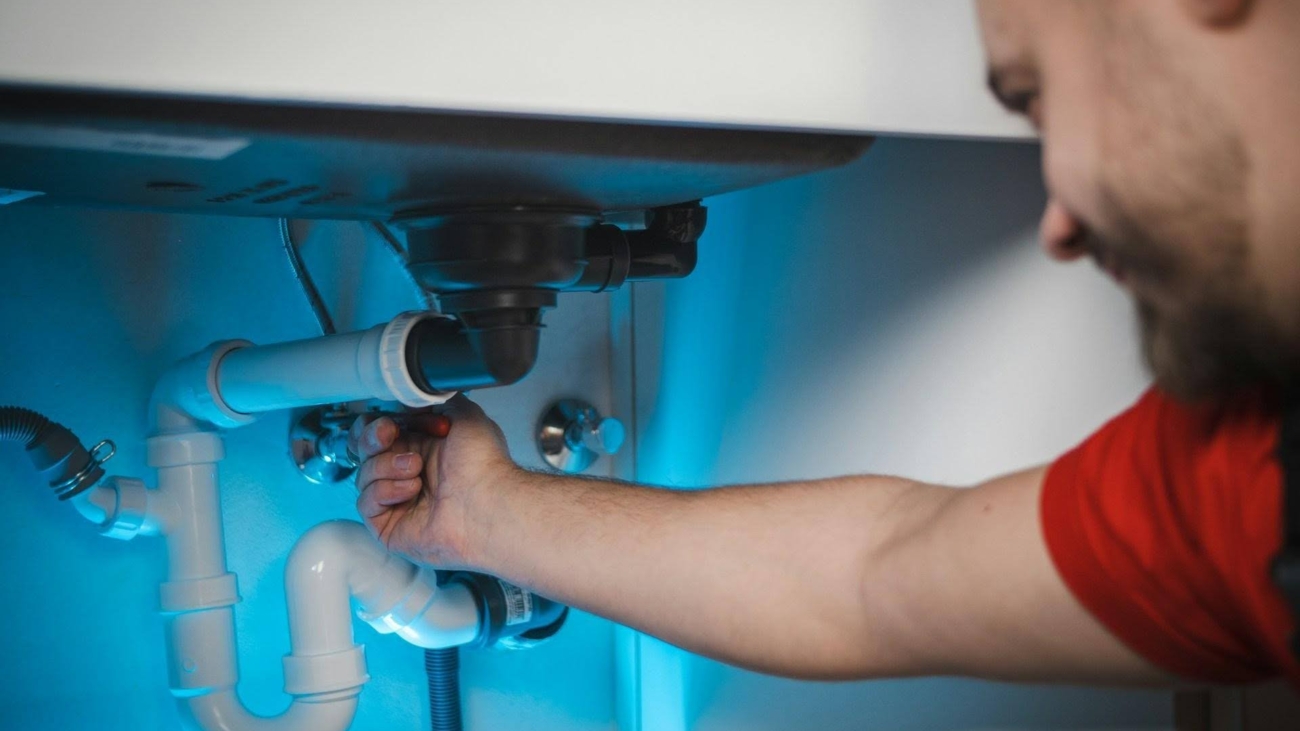
A drip under the sink leaks into the ceiling until finally one of your pipes just decides to go from “fine” to “flooding.”

Plumbing disasters don’t care if it’s a good time. And the longer you wait to call a professional plumber for repair, the more costly the restoration will be.

Every minute an active leak runs, more damage is being done.Most homeowners think they have more time than they actually do.

Here’s the truth… 
A plumbing emergency is one of the few household problems that gets dramatically worse the longer you wait. Unlike a broken appliance or a chipped tile, water damage compounds by the hour. What starts as a small drip behind your wall can turn into thousands of dollars in repairs by the time the sun comes up. The homeowners who come out of these situations with the least damage (and the smallest bills) all have one thing in common — they acted fast and called the right plumber straight away.

The good news is that knowing what to do — and who to call — can mean the difference between a quick repair and a total catastrophe.

What You’ll Uncover:

  • Why Plumbing Emergencies Cost More Than Most Homeowners Expect
  • The Warning Signs That Demand Immediate Action
  • What Happens When a Leak Is Left Too Long
  • How to Respond to a Plumbing Emergency Step by Step
  • How to Choose the Right Plumbing Repair Service

Why Plumbing Emergencies Cost More Than Most Homeowners Expect

Broken pipes are one of the leading causes of home damage nationwide.

Did you know there are over 14,000 water damage emergencies in homes and businesses across the U.S. each day. Yes, each day.

What about the cost? The average homeowners water damage insurance claim is $13,954 per incident ( courtesy of Insurance Information Institute ). Let’s just say most homeowners aren’t ready for that figure.

Here’s something even more eye-opening…

A tiny leak ⅛ inch wide in a water pipe can waste 250 gallons a day. Enough to flood cabinets, damage drywall and promote mold growth.

The message here is easy to understand. Calling the proper plumbing repair services right away is not being paranoid. It will actually save you the most money as a homeowner.

The Warning Signs That Demand Immediate Action

Homeowners’ worst error with leaks is waiting for them to become noticeable. By then, the damage has most likely already been done.

These are the signs you need emergency plumbing repair today:

  • Skyrocketing water bill with no discernible reason — unusually high water bills are most often caused by unseen leaks
  • Water stains on ceilings, walls, or floors — discoloration means there is a problem that is present and getting worse
  • Drops in water pressure — sudden loss of water pressure is usually an indicator of a broken or clogged pipe
  • The sound of running water when nothing in the home is turned on
  • Musty smells or unexplained damp patches — early indicators of moisture and mold

Don’t dismiss these signs.

Every single one here is your home crying out for help. Calling a Cottonwood plumbing repair specialist when you first notice a problem will always be cheaper than waiting for a small problem to turn into a big one.

What Happens When a Leak Is Left Too Long

Here’s where it gets serious…

Water flows. Water will find the easiest route and channel. Quickly.

Hours after an active leak, water is soaking into insulation, drywall and flooring. Within a day or two mold may start to grow. In one week, building materials start deteriorating to the point where simple plumbing repairs won’t fix the problem.

A slow drip that gets ignored can quickly lead to:

  • Buckled or warped hardwood floors
  • Rotted wall framing hidden behind drywall
  • Mold colonies that require full professional remediation
  • Electrical hazards from water reaching live wiring

The EPA estimates nearly 10,000 gallons of water per year are lost by the average household due to hidden, sneaky leaks. That extra water shows up on your utility bill each month while the leak slowly gets worse.

Calling in plumbing repair services early is never the wrong call.

How to Respond to a Plumbing Emergency Step by Step

Keeping calm and plumbing ahead. When faced with a plumbing disaster, these are your only options. Follow these steps in order:

  1. Turn off the main water valve. All family members should know where this is located.
  2. Turn off your water heater so it doesn’t burn out with no water.
  3. Photograph and videotape all visible damage. This is very important if you will be filing an insurance claim.
  4. Call a licensed emergency plumber immediately — right now, not in the morning.
  5. Eliminate standing water if it is safe to do so until the plumber arrives.

Work through these 5x steps in order.

They all safeguard the property and the claim. Don’t skip any of them.

How to Choose the Right Plumbing Repair Service

Not every plumber is created equal. If an emergency arises you will not have time to compare shops. That’s why you should know who to call before an emergency occurs.

Here’s what actually matters when evaluating a plumbing repair service:

  • Licensed and fully insured — this is non-negotiable, full stop
  • 24/7 emergency availability — leaks don’t wait for business hours
  • Fast local response times — every minute of active water damage counts
  • Transparent, upfront pricing — no nasty surprises after the job is done
  • Trusted reviews and a proven local reputation — genuine outcomes from actual clients

Here’s the thing…

An in-town specialist who understands your area’s unique plumbing will identify issues more quickly and provide superior service than a major out-of-town company. Local knowledge is important. (You may be surprised.)

The Bottom Line on Emergency Plumbing Repair

A plumbing emergency can be one of the most stressful situations for a homeowner. However, with the proper reaction — and the right plumbing repair services handy — it need not turn into a catastrophe.

To quickly recap:

  • Spot the warning signs early and act immediately
  • Turn off the main valve if you detect a major leak
  • Document everything carefully for the insurance claim
  • Call a licensed emergency plumbing repair service right away
  • Don’t give a leak a single extra minute to cause more damage

Call the right plumbing repair company and a potential disaster becomes an easy repair. Get help fast, minimize damage and don’t let that leak another minute to cause more problems.

panama real estate, panama infrastructure growth, 2026 real estate panama, panama property market, panama investment opportunities, infrastructure led development panama, central america real estate, panama housing market trends, panama commercial properties, real estate development panama

The 2026 Real Estate Horizon: Infrastructure-Led Growth in Panama

Panama is entering 2026 with strong economic growth, and its real estate market is starting to boom. The country is seeing big changes, thanks to new infrastructure projects that are improving transportation, tourism, and the Panama Canal area.

These projects are attracting more people and businesses to Panama, making it a great time to invest in real estate. This article will explore how these developments are shaping the future of Panama’s real estate market and why infrastructure is a key factor driving growth. We’ll look at how these changes are creating new opportunities for investors, homeowners, and retirees.

Panama’s Economic Foundation and Real Estate Landscape

Panama’s economy is projected to grow by about 4% in 2026, supported by its key sectors like logistics, tourism, and the Panama Canal. This growth boosts confidence in the real estate market, as a stable economy creates a favorable environment for investment.

Current real estate trends show rising rents and tight inventory, particularly in Panama City. With fewer available properties and increasing demand, the market is expanding, presenting new opportunities for investors and homeowners.

Strategic Infrastructure Projects Shaping the Market

Key infrastructure projects in Panama include:

  • Fourth Bridge over the Panama Canal: This bridge will connect Panama City with the western provinces, reducing congestion and improving travel times. It is expected to boost real estate demand in surrounding areas once completed.
  • Metro Line 3 Expansion: Expanding Panama City’s metro system will improve public transit and accessibility, making suburban areas more attractive for residential development.
  • Panama–David Railway: A planned rail link between Panama City and David will shorten travel times, opening up new areas for growth and real estate investment.

These projects are expected to raise property values, improve access to new residential hubs, and drive urban growth as transportation networks expand.

Connectivity, Transportation, and Accessibility

Panama has been improving its transport networks, including expanded highways, enhanced public transportation, and modernised port facilities. These upgrades aim to make travel within the country faster and more efficient while supporting international movements of goods and people. The Panama Canal Authority is investing in port upgrades and logistics infrastructure that reinforce the country’s role in global trade.

These transportation improvements are expected to increase demand for real estate in suburban and coastal areas. Better roads and transit links make it easier for residents to live farther from central Panama City and commute more conveniently. Enhanced connectivity also makes coastal towns and outlying districts more attractive for housing and commercial development.

Panama’s strategic position in global logistics anchored by the Panama Canal, which remains a core driver of trade and transportation, continues to attract businesses and individuals who value strong connectivity. This international role supports demand for real estate from investors, companies, and residents seeking locations tied to this expanding economic network.

Shifting Demand Patterns in Panama Real Estate

Panama’s real estate demand is changing as more people choose to buy property in the country. Foreign buyers are active because Panama allows non‑citizens to own property under the same rights as citizens, making it easier and more secure to invest.

Increased immigration and residency visa options linked to property purchases are also drawing international buyers, especially from North America and Europe.

Apart from traditional buyers, tourism and lifestyle changes are driving demand. Short‑term rental markets and second‑home buyers remain active, and Panama’s climate, services, and quality of life continue to attract interest.

In addition, the real estate market has become especially relevant for those retiring in Panama. Retirees are increasingly seeking homes that offer comfort, accessibility, and community amenities in both urban and resort‑style settings, boosting demand for age‑friendly housing and lifestyle‑oriented developments.

New Opportunities for Investors

Panama’s macro drivers are supporting new investor interest. The country’s economic stability, dollar‑based system, and property laws that allow foreigners full ownership help make real estate a viable long‑term investment.

These factors, combined with strong infrastructure connectivity and expanding transport links, improve prospects for growth and investment returns.

In addition, many savvy investors use panama canal cruises not just for leisure but as market research. These cruises allow potential buyers and investors to observe Panama’s strategic position, understand canal expansion plans, and connect with local experts. All of this helps inform property decisions and spot opportunities before others.

Emerging hot zones include areas expected to benefit most from infrastructure upgrades and improved connectivity. Panama City’s established neighborhoods continue to attract investment, while regions west of the Canal and coastal communities such as Coronado are gaining attention for lifestyle and rental demand.

These areas often offer more affordable entry points with strong growth potential as access improves and new development follows key transport projects.

Conclusion

Panama’s real estate market in 2026 is seeing steady growth, driven by economic stability and infrastructure improvements. As the country’s transportation networks expand and new development areas emerge, there are opportunities for investors looking for long-term potential.

With increasing demand from both locals and foreigners, Panama continues to be an attractive option for real estate investment. Those keeping an eye on these changes can find opportunities to benefit from the market’s gradual evolution.

cabinet refacing, full kitchen replacement, kitchen upgrade options, cabinet remodeling, kitchen renovation ideas, compare cabinet refacing versus replacement, kitchen cabinet upgrade, affordable kitchen remodel, professional kitchen makeover, local kitchen renovation

Cabinet Refacing vs. Full Replacement: Which Kitchen Upgrade Makes More Sense?

Want to upgrade your cabinets but can’t decide which option is best?

Kitchen cabinet refacing vs. replacement is one of the first questions homeowners ask. Both will make cabinets look new again, but they come with very different price tags and timelines.

Here’s the dilemma:

Picking the wrong path can cost thousands in unnecessary expenses. Picking the right path can change the whole look and feel of a kitchen without costing a fortune. Plus, taking the time to plan extras like cabinet lighting can really elevate a kitchen from drab to fab.

Ready to weigh your options?

Here’s what you’ll find out:

    1. Kitchen Cabinet Refacing Defined
    2. When to Choose Full Cabinet Replacement
    3. The Importance of Under Cabinet Lighting
    4. Costs Associated With Cabinet Refacing vs Replacement
    5. Cabinet Refacing or Full Replacement: Which Is Better?

Kitchen Cabinet Refacing Defined

The simplest way to define cabinet refacing is to describe it as replacing all of the visible surfaces of existing cabinets. Cabinet doors, drawer fronts, veneers, and hardware get switched out while the existing cabinet boxes remain intact.

It’s kind of like a kitchen facelift.

The base cabinets don’t get touched during the process. There’s less demolition and clean up. And most importantly, the project can typically be completed in 3-5 days versus several weeks for full replacement.

Refacing is ideal for cabinets that are still in great shape but need a fresh look. Because the box frames aren’t replaced, the kitchen layout stays the same.

It’s also a more budget-friendly approach. And since most of the demolition is avoided, cleanup and return to normal is quicker.

When Refacing Doesn’t Make Sense

But there are limitations with cabinet refacing. If kitchen cabinets are damaged, warped, or out of alignment, a quick facelift won’t fix those problems. Refacing is also not an option for changing the cabinet layout. The full replacement route is necessary for that.

Full Cabinet Replacement

Full cabinet replacement means completely ripping everything out and starting over. New cabinets are installed from the ground up and configured to exact specifications.

There are more expenses involved. The kitchen will be out of commission for longer. And most homeowners don’t enjoy the demolition process either.

However, in some cases – it’s necessary.

If cabinets are damaged from water, infested with termites, or the goal is a complete kitchen overhaul – cabinet replacement is the way to go.

There are also more customization options during a full replacement versus a reface. Deep drawers, pull out shelves, soft-close hinges, and integrated lighting solutions can create a kitchen that looks like new without completely breaking the bank.

If there are local Kitchen Saver Locations nearby, those are worth checking out. They offer professional services to homeowners looking for cabinetry help.

The Importance of Under Cabinet Lighting

Here’s a kitchen upgrade homeowners often overlook…

When cabinets get painted or refaced, most people don’t think about adding under cabinet lighting. It’s one of the easiest ways to brighten up countertops and really make a kitchen “pop.”

Installing puck lights or LED strip lights can run easily behind cabinets during a refacing project.

Best Of Both Worlds

Whether the choice is to reface or replace cabinets, adding under cabinet lighting should be high on the list. During a reface project, electricians can run the wires behind existing cabinets.

During a cabinet replacement, lighting can actually be integrated into the new cabinets.

Either way, lighting is an inexpensive upgrade that provides great value to a home and kitchen. It’s one of those kitchen upgrades that add value without a massive price tag.

Costs Associated With Cabinet Refacing vs Replacement

Alright – let’s crunch some numbers. This is usually the deciding factor.

Refacing cabinets is 30% to 50% cheaper than replacement according to HomeAdvisor’s 2025 Cost Guide. On average, most homeowners spend anywhere from $4,000 to $10,000 on a cabinet refacing project. Full replacement costs start at $15,000 and can go up well beyond $35,000+.

And keep in mind, most full cabinet replacements include demolition of the existing cabinets. Sometimes during this process there are hidden costs like readjusting plumbing, electrical work, flooring damage from demolition – the expenses add up fast.

More Costs = More Expensive

Cabinet refacing saves all of those additional expenses. And since the process is quicker, labor costs are less as well.

Here is a general cost breakdown:

  • Refacing: $4,000 – $10,000 | 3-5 days to complete
  • Replacement: $15,000 – $35,000+ | 2-4 weeks to complete

Cabinet Refacing vs Replacement – Final Verdict

For an older kitchen that just needs to be refreshed, cabinet refacing is the way to go. It doesn’t have to be expensive and can still achieve that modern kitchen look homeowners have been craving.

Full cabinet replacement is necessary when cabinets are damaged beyond repair. Otherwise, try cabinet refacing first and save some money. Homeowners who want to stretch their budget even further should consider whether stainless steel appliances increase home value alongside a cabinet refresh.

Cabinet Refacing or Full Replacement: Which Is Better?

Think about a kitchen renovation like any other home improvement project.

The goal is the best value for the money.

As mentioned earlier, minor kitchen remodels provided a 96% return on investment while major kitchen remodels came in at 49%.

That’s a massive difference.

Cabinet refacing is considered a minor remodel while full cabinet replacement is a major renovation. So for homeowners looking to keep costs low and recoup that investment down the road – stick to cabinet refacing.

But for those looking to change the kitchen layout, need more storage, or have cabinets that are damaged – full replacement is the way to go.

No matter which route is chosen, adding under cabinet lighting during the cabinet installation will offer great value.

All Wrapped Up

When it comes to cabinet refacing vs. replacement there are three things to consider:

  • Cost. Refacing saves 30% to 50% over full cabinet replacement.
  • Condition of the cabinets. If they’re still in great condition with only cosmetic issues – cabinet refacing is the way to go.
  • Are the cabinets damaged beyond repair? Is a kitchen layout change needed? If the answer is yes to either of these questions, replacing the cabinets is the best bet.

Just remember about the extras too. Something as simple as under cabinet lighting can take a kitchen from “blah” to amazing and won’t break the bank.

Here’s a quick recap:

  • Check the condition of the current cabinets
  • Set a budget
  • Decide if the kitchen layout needs to change
  • Add under cabinet lighting
  • Upgrade cabinets with refacing or replacement

It all depends on the condition of the kitchen. But with this guide, deciding which route is best should be a whole lot easier.

pexels-bo-passer-3823636-5668698

Warning Signs That a Roof Is Failing (And What to Do Next)

Most homeowners don’t think about their roof until something goes wrong.

And by then? The damage is usually far worse than it needed to be.

Your roof doesn’t suddenly fail you overnight. It will warn you for weeks, months – sometimes years – before it completely gives out. The trouble is most people don’t notice those warning signs until they’re looking at a stain on the ceiling or an unexpected repair bill.

Here’s the thing…

38% of U.S. residential homes currently have roofs in moderate to poor condition. That means 38% of roofs are slowly failing as homeowners go about their days unaware. Early detection is key between an inexpensive repair and a full roof replacement. When that time comes, hiring a qualified Roofing Contractor in Puyallup is the best decision a homeowner can make.

Here’s what you’ll discover:

  1. Why Roof Problems Get Expensive Fast
  2. The 6 Warning Signs That Cannot Be Ignored
  3. What To Do When Warning Signs Appear
  4. Repair Or Full Roof Replacement — How To Decide

Why Roof Problems Get Expensive Fast

Roof repair and replacement costs reached nearly $31 billion in 2024 — up almost 30% since 2022. Inflation is part of the story. But roofs are also failing more frequently and owners are delaying repair work longer.

Here’s why that matters:

A single broken shingle allows water in. That water infiltrates the decking, travels to the insulation, and finally makes its way into the home. What should have been a quick, inexpensive repair becomes a major structural issue. The numbers never add up when repairs are delayed.

The 6 Warning Signs That a Roof Is Failing

1. Shingles Are Curling, Cracking, or Going Missing

This is one of the most visible signs that something is wrong.

Roof shingles are a roof’s first line of defense against water, ultraviolet rays, and the elements. When shingles begin to curl at the edges, split down the center, or are missing entirely following a storm — the underlayment is exposed. A few missing or damaged shingles may not be anything to worry about. However, missing or damaged shingles throughout multiple areas of a roof is a big problem that repair may not be able to fix.

2. Granules Are Piling Up In The Gutters

The surface of asphalt shingles is covered with granules that protect it from the sun and other elements. As the roof gets older, the granules loosen and fall off.

Finding a handful in the gutter is one thing. Finding uniform piles after every rain storm is another. When the granule layer washes off, the asphalt mat underneath is susceptible to UV damage and oxidizes rapidly. This is very common when a roof is nearing the end of its life.

3. There Are Water Stains On The Ceiling Or Walls

Water stains inside the home are never something to brush off.

Water stains on ceilings mean water is coming down from above. Ceiling stains can be misleading – the area where the brown or yellow stain appears is rarely where the leak is actually occurring. Water moves along rafters and roof decking until it finds a place to drip down. Stain or no stain, water always leads to rot, mould, and serious structural damage if left untreated.

Inspect the attic as well. Wet insulation, black staining on the wood, or musty odors are indications that moisture has already invaded.

4. The Roofline Is Sagging

A sagging roofline is one of the most urgent warning signs on this list.

The ridge and lines of a sound roof should be crisp and straight. Dips, curves, or uneven areas are indicators of a major problem below — most often compromised structural integrity due to water damage or wood rot. This is not a cosmetic problem. A sagging roof can turn into a collapsing roof, and that’s a situation nobody wants.

5. There Is Daylight Coming Through The Attic

Head into the attic during daylight hours and switch the lights off.

If light shines through holes in the roof deck, there are openings in the structure that should not be there. Those gaps let in water, cold air, and critters. They also indicate that the roof deck has shifted, separated, or deteriorated enough to create actual holes. That’s one of the biggest indicators that a full roof replacement is needed rather than a simple repair.

6. The Roof Is Over 20 Years Old

Age on its own is a major risk factor that gets overlooked.

Roofs over 20 years old have been statistically proven to be much more susceptible to major damage during wind and hail events. Typical asphalt shingle roofs have an expected life span of 20-25 years, assuming normal conditions. When a roof falls into this category — even if it appears to be in fine shape from the ground — a professional inspection isn’t just a good idea. It’s required.

Storms are responsible for 33% of all roof replacements in the United States, and 29% of asphalt shingle roofs in America have fewer than four years of useful roof life left. Waiting for the next big storm to happen to an aging roof is a risk that rarely rewards.

Repair or Full Roof Replacement — How To Decide

It basically boils down to three factors: age of roof, extent of damage, and whether problems are localized or widespread.

Here’s a practical way to think about it:

  • Localized damage on a newer roof? Typically, a spot repair is the best option.
  • Widespread damage across an aging roof? Complete roof replacement is usually the more cost-effective option in the long run.
  • Multiple leaks appearing in different areas at once? That’s a strong indication the system is failing and spot repairs will not hold.

Moderate to poor roofs experience 60% higher loss costs than roofs considered to be in good shape. Continuing to repair a roof that is fundamentally failing ends up costing more than replacement. A professional inspection will clarify which route to take.

Stop Putting It Off

Roof problems don’t wait.

All of these warning signs indicate one thing — a distressed roof that needs attention from a professional. The sooner those signs are detected, the more options will be available. By the time water stains appear inside the home, years of damage could have already occurred.

Don’t wait until it becomes an emergency. Start looking for these warning signs now.


unnamed

Is Peeling Paint a Big Deal When Selling in North Carolina?

You found a buyer. You are excited. Then the home inspector walks through your house and points to that one corner of the ceiling where the paint has been quietly bubbling for months. Suddenly, everything feels uncertain. If you are selling a home in North Carolina and dealing with peeling paint, you are probably wondering just how much trouble you are actually in. Is it a dealbreaker? Does it lower your price? Will buyers walk away?


The short answer is, it depends. Peeling paint can be a minor cosmetic issue or a sign of something bigger hiding underneath. Knowing which one you are dealing with makes a huge difference in how you handle the sale.

Why Peeling Paint Worries Buyers More Than You Might Think

Most buyers are not just looking at the surface when they see peeling paint. They are asking themselves what caused it. Moisture? A leaky roof? Poor ventilation? Old age? Paint peels for many reasons, and not all of them are serious. Sometimes it is just old paint that has dried out over the years of sun and weather. Other times, it can signal water damage, mold behind the walls, or structural issues.


When a buyer sees peeling paint, their mind often goes to the worst-case scenario. That is just human nature. Even if the cause is completely harmless, it creates doubt, and doubt can slow down a sale or push buyers to make lower offers.


In North Carolina, where summers are hot and humid, moisture-related paint problems are pretty common. This means buyers in this market are often already on the lookout for such issues. A little peeling paint can carry more weight here than it might in a drier climate.

What North Carolina Law Says About Disclosing Paint Issues

North Carolina has a Residential Property Disclosure Act. This law requires sellers to disclose known material defects in their home. Peeling paint itself might not always constitute a material defect, but if the cause of the peeling paint is something bigger, like water intrusion or mold, that absolutely needs to be disclosed.


If you are selling a home built before 1978, there is another layer to this. Federal law requires sellers to disclose if the home may have lead-based paint. Peeling paint in an older home can raise lead paint concerns, which adds a whole different level of complexity to your sale. Buyers have the right to request a lead paint inspection, and many lenders will require it before approving a loan.

How Peeling Paint Affects Your Home’s Value

Even when peeling paint is purely cosmetic, it affects how buyers perceive value. A home that looks well-maintained signals to buyers that the seller cared about the property. Peeling paint does the opposite. It suggests neglect, even if everything else is in great shape.


Buyers who are financing the purchase through an FHA or VA loan are in a more complicated situation. These loan programs have strict property condition requirements. If your home has peeling paint and the buyer is using one of these loan types, the lender may require the paint issue to be fixed before closing. That means you could be forced to make repairs whether you planned to or not, which is an important consideration when planning your overall investing strategies.


In a competitive market, buyers have options. They will often pass on a home that needs work unless the price reflects that. You may get offers, but they are likely to come in lower than you hoped or include repair credits that eat into your profit.

Fixing It Yourself vs. Selling As-Is (What Makes Sense)

If the peeling paint is minor and the underlying cause is not serious, fixing it yourself before listing can pay off. A fresh coat of paint is one of the cheapest and most effective ways to boost curb appeal. Buyers respond well to a clean, well-painted home, and it can help you avoid price negotiations later.


On the other hand, if the peeling paint is connected to a bigger issue: water damage, old pipes, or structural movement, patching the paint without fixing the root problem is not a good idea. Buyers and inspectors will likely find the underlying issue anyway, and trying to cover it up can cause legal problems down the road.


Selling as-is is a legitimate option in North Carolina, and many sellers in this situation choose it. Working with a company like Cape Fear Cash Offer allows you to skip the repairs entirely and sell your home without going through the traditional listing process. This can be a smart move when the cost of fixing everything outweighs what you would gain in sale price.

What a Home Inspector Will Say About Peeling Paint

During a standard home inspection, the inspector will note any peeling, flaking, or bubbling paint. They will also try to identify the cause if it is visible. If moisture is involved, they may recommend a more detailed inspection or flag it as a potential concern.


Inspection reports can make buyers nervous, especially first-time buyers. Even a simple note about peeling paint can prompt them to ask for repairs or credits. Being proactive about disclosing the issue upfront and either fixing it or pricing accordingly can prevent you from losing a deal at the inspection stage.

Peeling Paint on Exterior vs. Interior: Does Location Matter?

Yes, it does. Exterior peeling paint is more visible and often more concerning to buyers because it is exposed to the elements. It can also affect the structural integrity of wood siding or trim over time if left untreated. North Carolina’s climate, with its mix of heat, humidity, and rain, accelerates exterior paint wear faster than in many other states.


Interior peeling paint, especially on ceilings, can be a red flag for roof leaks or plumbing issues above. Paint peeling near windows or in bathrooms often points to condensation and ventilation problems. Buyers and inspectors know where to look, so do not assume they will overlook it just because it is inside.

Practical Steps to Take Before You List

Start by identifying what caused the peeling. If it is just old paint with no moisture involvement, clean the area, sand it down, prime it, and repaint. This is a straightforward fix that costs very little but makes a visible difference.

If the cause is moisture-related, get a professional to assess the source before repainting. Fixing the symptom without addressing the root problem will not hold up, and it can create liability issues during the sale.

Get a pre-listing inspection if you are unsure about the condition of your home. Knowing what issues exist before buyers show up allows you to make informed decisions about repairs, pricing, and disclosures. It also shows buyers that you are being upfront, which builds trust and can lead to smoother negotiations.

Peeling paint does not have to be a dealbreaker when selling in North Carolina. It is a problem you can manage with the right approach. Whether you fix it, price around it, or sell as-is, the key is making an informed decision rather than hoping buyers will not notice.

Practical Steps to Take Before You List

Start by identifying what caused the peeling. If it is just old paint with no moisture involvement, clean the area, sand it down, prime it, and repaint. This is a straightforward fix that costs very little but makes a visible difference.


If the cause is moisture-related, get a professional to assess the source before repainting. Fixing the symptom without addressing the root problem will not hold up, and it can create liability issues during the sale.


Get a pre-listing inspection if you are unsure about the condition of your home. Knowing what issues exist before buyers show up allows you to make informed decisions about repairs, pricing, and disclosures. It also shows buyers that you are being upfront, which builds trust and can lead to smoother negotiations.


Peeling paint does not have to be a dealbreaker when selling in North Carolina. It is a problem you can manage with the right approach. Whether you fix it, price around it, or sell as-is, the key is making an informed decision rather than hoping buyers will not notice.


unnamed (10)

How a Junky Yard Can Literally Lower Your Home’s Sale Price

When buyers arrive at a property, their first impression begins the moment they see the exterior. The yard, driveway, and overall outdoor condition immediately shape how they feel about the home. A cluttered or neglected yard can create doubt before anyone steps inside.

Buyers often connect what they see outside with what they expect inside. If the yard looks messy, they may assume the interior has not been well-maintained either. This perception can influence how much they are willing to offer.

A clean and organized yard, on the other hand, builds confidence. It signals that the home has been cared for, which encourages buyers to take the next step.

Clutter Outside Can Translate to Lower Offers

A junky yard filled with debris, old furniture, or overgrown plants can directly affect how buyers value the property. Even if the home itself is in good condition, visible clutter reduces its overall appeal.

Buyers may factor cleanup costs into their offers. They might also lower their expectations for the home, assuming additional repairs or hidden issues exist. This often results in lower offers or fewer interested buyers.

Some sellers choose faster alternatives when they do not want to deal with yard cleanup. Companies like Chris Buys Homes St.Louis work with homeowners in various conditions, offering a more direct option for those who prefer to skip preparation.

Overgrown Spaces Create a Sense of Neglect

An overgrown lawn or untrimmed bushes can make a property feel abandoned. Buyers may question how long the home has been in that condition and whether other areas have been ignored as well.

This sense of neglect can lead to hesitation. Even small issues, such as tall grass or scattered leaves, can give the impression that the property requires more work than it actually does.

Keeping outdoor spaces maintained does not require a major investment. Regular mowing, trimming, and basic cleanup can significantly improve how the property is perceived.

Outdoor Mess Can Hide Valuable Features

A cluttered yard can distract buyers from the positive aspects of the property. Features like a spacious backyard, garden potential, or outdoor seating areas may go unnoticed when covered by debris or disorganization.

When buyers cannot clearly see the space, they struggle to imagine how they would use it. This limits the emotional connection that often drives purchasing decisions.

Clearing the yard allows these features to stand out. It helps buyers visualize possibilities, which can increase interest and perceived value.

Safety Concerns Can Turn Buyers Away

Loose items, broken structures, or scattered materials can create safety risks. Buyers walking through the property may feel uncomfortable if they have to navigate around hazards.

Safety concerns can quickly reduce enthusiasm. Buyers may worry about liability, repair costs, or the effort required to make the space usable.

A safe and accessible yard creates a more welcoming experience. It allows buyers to explore the property without distractions or concerns.

Curb Appeal Plays a Bigger Role Than Expected

Curb appeal is often associated with simple upgrades like fresh paint or landscaping. However, basic cleanliness and organization play an equally important role.

A tidy yard makes the property look more inviting in listing photos and in person. This can lead to more showings and stronger interest from potential buyers.

Improving curb appeal does not always require major changes. Removing clutter, arranging outdoor items neatly, and maintaining greenery can make a noticeable difference.

How Buyers Calculate Cleanup Costs

Buyers often estimate the time and money required to clean up a yard before making an offer. These calculations can include hauling debris, trimming trees, repairing fences, or restoring landscaping.

Even if these costs are manageable, they still influence the final offer. Buyers aim to account for every expense they expect to face after purchasing the property.

Reducing visible cleanup needs can help protect the home’s value. A well-presented yard allows buyers to focus on the property itself rather than potential extra work.

Simple Steps to Improve Outdoor Presentation

Sellers can take practical steps to improve their yard without investing heavily:

  • Remove unwanted items and dispose of debris
  • Mow the lawn and trim overgrown plants
  • Sweep pathways and driveways
  • Organize outdoor furniture or storage areas
  • Add small touches like potted plants or clean lighting fixtures

These actions create a cleaner and more welcoming environment. They also help buyers see the property’s full potential.

For a yard buried in old furniture, broken fixtures, or years of accumulated debris, a professional hauler makes fast work of it, and North Jersey sellers often book junk removal in Bergen County so the property photographs clean before the first showing.

Key Points to Keep in Mind

  • Buyers form opinions based on exterior appearance first
  • A cluttered yard can lower perceived value
  • Overgrown spaces create doubts about maintenance
  • Hidden features reduce buyer interest
  • Safety concerns can discourage offers
  • Simple improvements can make a strong impact

Moving Forward With a Better Strategy

A junky yard does more than affect appearance. It shapes how buyers think about the entire property. When the outdoor space feels neglected, it can lower confidence and reduce offers.

Focusing on presentation can change this outcome. Even small improvements can create a more positive impression and attract stronger interest.

The goal is not perfection. The goal is to present a space that feels clean, usable, and inviting. When buyers can clearly see the value of a property, they are more likely to recognize its true worth.

Frequently Asked Questions

  1. Can a messy yard really lower my home’s sale price?

Yes, a cluttered or neglected yard can reduce buyer interest and lead to lower offers. Buyers often factor cleanup costs into their price and may assume the home needs additional work.

  1. How can Chris Buys Homes St.Louis help if I don’t want to clean up my yard before selling?

Chris Buys Homes St.Louis can help homeowners sell without dealing with yard cleanup. Chris Buys Homes St.Louis works with properties in various conditions, offering a faster and more convenient selling option.

  1. Why does curb appeal matter so much to buyers?

Curb appeal creates the first impression. A clean and organized exterior makes buyers feel confident about the home, while a messy yard can create doubts before they even step inside.

  1. What outdoor issues make buyers hesitate the most?

Overgrown lawns, scattered debris, broken structures, and safety hazards can discourage buyers. These issues suggest neglect and increase maintenance concerns.

  1. What are simple ways to improve my yard before listing?

Basic steps like mowing the lawn, removing clutter, trimming plants, and cleaning walkways can significantly improve how buyers perceive your property.


unnamed

Why Cash Offers Are Like Instant Coffee (Fast and Stress-Free)

You know that feeling when you need coffee right now, and you just want it done in 30 seconds flat? No grinding, no waiting, no mess. That is exactly what a cash offer feels like when you are trying to sell your home. No loan approvals, no waiting on banks, no long drawn-out processes. Just a simple, clean transaction that gets you where you need to be.


Traditional home sales can feel like making a full pot of pour-over coffee. It takes patience, multiple steps, and something can always go wrong along the way. A cash offer skips most of that. It is quick, it is direct, and it gets the job done without all the extra steps.


If you have been thinking about selling your home and wondering whether a cash offer is the right route, this post breaks it all down for you in plain language. No jargon, no fluff. Just clear information so you can make a smart decision.


How a Cash Offer Actually Works

A cash offer means the buyer is purchasing your home without needing a mortgage or any kind of bank financing. They already have the money available and ready to go. When they make you an offer, there is no lender in the background that needs to approve the deal before it moves forward.


This changes the entire timeline of selling a home. With a traditional financed offer, the buyer has to apply for a mortgage, the lender has to appraise the home, underwriters review everything, and only then does the deal close. That process can take 30 to 60 days, sometimes longer if something goes sideways.


With cash, a lot of those steps simply disappear. There is still a process, of course, but it is much leaner. You agree on a price, do a quick inspection period if needed, sort out the title paperwork, and close. Many cash sales wrap up in as little as 7 to 14 days.

Why Speed Matters More Than People Think

Most people do not realize how much time and money a slow sale can cost them. Every month your home sits on the market, you are still paying property taxes, insurance, utilities, and possibly a mortgage. Those costs add up fast. A quick sale is not just convenient; it is often financially smarter.


This is why so many homeowners in northern Colorado search for ways to sell my house fast Ft Collins when they are ready to move on. Speed is not about desperation. It is about making a practical financial decision that keeps more money in your pocket over the long run.


Life does not always give you the luxury of waiting. Job relocations, divorce, financial changes, or simply being ready to move on all create situations where a fast sale is not just nice to have. It is necessary. A cash offer gives you that option without having to sacrifice a fair price.

Skipping the Stress of Traditional Showings and Repairs

One of the most exhausting parts of selling a home the traditional way is getting it ready for the market. Realtors will often suggest painting, fixing leaky faucets, replacing flooring, staging furniture, and doing a deep clean before listing. All of that costs money and takes time.


Then come the showings. You have to keep your house spotless, leave on short notice when a buyer wants to walk through, and then wait to hear feedback. This can go on for weeks or months. For families with kids or pets, or people with busy schedules, this routine is genuinely disruptive.


Cash buyers typically purchase homes as-is. They are not expecting a picture-perfect property. They factor the condition of the home into their offer. You do not have to spend thousands getting the home ready. You do not have to do weekend showings. You get an offer, you decide, and you move forward. That is it.

No More Deals Falling Through at the Last Minute

One of the biggest fears in a traditional home sale is the deal falling apart right before closing. This happens more often than people expect. A buyer can get pre-approved, go through the whole process, and then get denied by their lender at the last minute because of a change in their financial situation.


With a cash offer, this risk is basically eliminated. Since there is no lender involved, there is no one to deny the loan. As long as the title is clean and both parties agree on terms, the sale goes through. That certainty is incredibly valuable. You do not have to go back to square one after months of waiting.

What You Might Give Up and Whether It Is Worth It

Cash offers are not always the highest number on the table. Cash buyers, whether they are investors or home-buying companies, often come in slightly below market value. That is their trade-off for giving you speed, certainty, and convenience. It is important to know this going in so you can make an honest comparison.


Think about what a traditional sale actually costs you. Agent commissions are usually 5 to 6 percent of the sale price. Closing costs add another 2 to 3 percent. Then add repair costs, staging fees, and holding costs during the months the home sits on the market. When you do that math, the gap between a cash offer and a financed offer often gets much smaller.


For some homeowners, the net proceeds from a cash sale end up being comparable to or even better than what they would have cleared after a long traditional sale. It really depends on your specific situation, how fast you need to sell, and what condition your home is in.

A cash offer is not a trick or a shortcut that costs you everything. For the right seller in the right situation, it is simply a smarter, cleaner path to the same destination.

Who Should Seriously Consider Taking a Cash Offer

Cash offers work really well for a specific type of seller. If you are relocating for work and need to close before you start your new job, cash is your best friend. If you inherited a property and do not want to deal with the hassle of listing and managing showings, a cash buyer takes that stress away immediately.


If your home needs significant repairs and you do not have the money or energy to fix it up before selling, a cash buyer will still make you an offer. If you are going through a divorce or a financial hardship and need to free up equity as fast as possible, a cash offer can be the most practical solution available.


Even if none of those apply to you, sometimes people just want a low-drama sale. No strangers walking through their home every weekend, no lengthy negotiations, no wondering if the buyer is going to back out. That peace of mind has real value and it is completely valid to choose it.

Making Sure You Work with a Legitimate Cash Buyer

Not every company or person making a cash offer is doing it the right way. There are some bad actors out there who use high-pressure tactics, offer extremely low prices, or add confusing terms to the contract. Knowing how to spot a trustworthy buyer protects you throughout the process.


Look for cash buyers who have a track record in your local market. Check reviews, ask for references, and make sure they are transparent about how they calculate their offer. A good cash buyer will walk you through their process, explain their numbers, and give you time to review everything without pushing you to sign on the spot.


You should also have a real estate attorney or a title company involved to make sure the paperwork is handled correctly. Even in a fast, simple cash sale, having professional eyes on the contract protects your interests. It does not slow things down much and it gives you confidence that everything is above board.

FAQs

  1. What is a cash offer when selling a home?

A cash offer means the buyer purchases your home without using a mortgage or bank financing. This removes lender approvals and speeds up the process significantly.

  1. How fast can a cash home sale close compared to a traditional sale?

Cash sales can often close within 7 to 14 days, while traditional sales usually take 30 to 60 days or more due to financing and lender requirements.

  1. Do I need to make repairs before accepting a cash offer?

No, most cash buyers purchase homes as-is. This means you can skip repairs, staging, and ongoing maintenance costs before selling.


driveway maintenance outdoor projects, yard cleanup tips, driveway protection ideas, lawn tidying outdoor work, driveway clutter removal, yard organization outdoor projects, outdoor project cleanup services, driveway and yard upkeep, residential outdoor cleaning, driveway and yard management

How to Keep Your Driveway and Yard Tidy During Outdoor Home Projects

Outdoor home projects can transform the look and utilization of your home, yet it may be extremely untidy. Construction materials, soil, leaves and other debris may easily litter your driveway and yard. Maintaining order in the area throughout the project assists in safety measures, landscaping preservation and provides more efficient work processes.

A clean working space is also an enhancement to your renovation experience. It alleviates stress, eliminates the destruction of your property and enables the movement of people and materials to move more easily. You will be able to achieve your outdoor improvements effortlessly, with an impression of planning and routine, and keep an orderly place.

Plan Waste Management in Advance

Whatever project you are carrying out outdoors, consider what you will do with the waste generated. Building projects like deck construction, repair of driveways and landscaping can lead to scraps of wood, concrete wastes, and other wastes. These items can even get your yard and driveway messy without any scheme.

This trash can be properly disposed of by hiring a dumpster rental Alpharetta service. An appropriate location of a dumpster is important so that waste can be contained and easily removed. Knowing the size of the dumpster and the pickup day will be convenient on the day of the project and will help in maintaining your place clean.

Protect Surfaces and Landscaping

It is important that you protect your driveway and yard prior to the commencement of the work in order to avoid damage. Cover surfaces using tarps or protection mats to avoid dirt, paint or scratches. The points where the heavy materials will be transferred should also be marked to avoid unnecessary marks on the concrete or grass.

Plants and garden beds are also kept safe by careful placement of equipment and materials. You can also eliminate as much contact with sensitive landscaping as possible by designing your work area to minimize contact and minimize the chances of unintentional injury. A secure area is more clean in the project.

Organize Tools and Materials

Tools and materials should also be kept clean so that there is a clean environment. Store items like hammers, nails and gardening tools in containers, carts or spaces. It is possible to locate what you need without leaving stuff on the floor with the right place of each tool.

The organised storage also reduces chances of accidents arising because of the tripping of loose materials. The obvious routes and organized materials enable the easier flow and acceleration of activities. The direct input towards safety and efficiency is organization.

Remove Debris Regularly

The siltation of debris can happen fast, hence it is urgent that it is eliminated at a regular rate. Place scrap materials, soil and other wastes in the dumpster or temporary containers as soon as possible. The continual cleaning prevents the build-up of clutter and takes care of the workplace.

Making frequent cleanups also enables you to make better measurements on progress. Finding an area that does not have piles of debris makes it easier to conduct an inspection, make changes, and maintain the area clean.

Maintain Clear Pathways

Maintenance of pathways is also good to keep them clear so as to be safe and convenient. Determine specific paths of walking, movement of equipment and transport of materials. By making sure that these routes are not littered, we have accident-free routes and a hassle-free work process.

Clearance tracks are also useful in carrying out the project in different areas of your property. You can ship materials quickly, change the tools and perform tasks without being afraid of any obstacles and threats.

Monitor and Adjust Throughout the Project

Cleaning is an ongoing process. Periodically look at your work area and adjust storage, clean and protective measures when required. Being proactive will deter the build up of clutter and avoid the likelihood of having to do last minute clean up.

A view of the area you are in will make you see where the problems are and devise a solution within a few seconds. With an adaptive approach, you can ensure that your yard and driveway are arranged appropriately and your outdoor project will be accomplished successfully.

Conclusion

When engaging in outside projects around the home, it requires serious planning, organization and regular clean-ups to keep your driveway and yard clean. Surface covering, tools and materials, maintaining walkways and services like dumpster rental Alpharetta are all ways to contain debris and facilitate the elimination of waste.

Not only does a well-maintained working area enhance safety and efficiency, but it also helps decrease stress and maintain the look of your premises. These are the tips that can make you successfully complete your outdoor renovations without having a sloppy and chaotic atmosphere.

water pressure issues, improve water pressure, water pressure regulator, low water pressure solutions, high water pressure benefits, residential water pressure, water pressure repair, water pressure troubleshooting, home water pressure, water flow optimization

Why You Should Pay More Attention to Your Water Pressure

One of the things that most homeowners hardly ever consider until something goes wrong is water pressure. It works in the background and it assists in our daily lives like showering, washing dishes and laundry. When it is functioning properly, it is easy to forget about its importance. Nevertheless, water pressure alterations may indicate more serious problems in your house that cannot be overlooked. Hearing your water pressure will cost you the money of making unnecessary repairs and maintain your plumbing system in a good condition.

Indications Of Water Pressure Problems

The change in the flow of water when using your fixtures is one of the initial indicators of a problem. Low pressure will lead to frustration in your daily chores and high pressure might appear helpful yet may cause your plumbing to be overloaded. Both extremes tell you that something is not going on as it should in your system.

Given unequal water pressure in certain instances, it might indicate latent leaks or obstructions. Pipes can be partially blocked, or accumulation can occur that affects the flow of water. These problems are not necessarily damaging in the short run, but they undermine your plumbing over time and may cause more severe problems in the long run, neglected.

Impacts On Your Plumbing

Having high water pressure can be comfortable, but it can subject your pipes, joints, and appliances to unwarranted stress. In the long-term, such pressure may lead to minor cracks or loose connections, which can result in leaks. Such trivial problems may end up becoming huge fixes that may take time and cost.

Low pressure of water, however, is a frequent sign of inefficiencies in your system. It can be brought about by the accumulation of sediment, old pipes or even the problem with your water supply. In certain cases, the house owners learn about the underlying issue too late, when they require such services as emergency drain clearing, which could have been prevented in case of timely consideration of warning signs.

Effects On Everyday Comfort

Your home comfort is directly related to water pressure. A shower with little power or a fill-up sink can disturb your normal routine and make even simple chores inconvenient. All these little inconveniences will accumulate over time and will lead to you feeling less satisfied with where you live.

Regular and equal water pressure assists your house to run well. It makes sure that your appliances such as dishwashers and washing machines can be used efficiently and you can always count on consistent performance throughout the day. Once you have a consistent water pressure, your house seems more secure and controllable.

Long Term Advantages Of Monitoring

Looking at your water pressure regularly will help you to prevent possible issues. Being aware of the changes early enough can enable you to prevent changes before they escalate. This is a proactive measure that is economical, as well as minimizing the chances of unforeseen disruptions.

A proper water pressure also helps to lengthen the life of your plumbing system. When your pipes and fixtures are not placed in an unnecessary burden, they will perform better and will have a long life. This is one of the slightly noticed details which can be of great importance in the long run health and performance of your home.

It is easy to listen to your water pressure as it is a habit that can tremendously affect the functionality of your home. Some little trifle can show the overall condition of your plumbing system. Early detection of changes helps you to solve minor problems before they escalate to big and costly problems.

exterior shutters, summer comfort shutters, install exterior shutters, energy efficient shutters, weather resistant shutters, outdoor window shutters, cost effective shutters, home insulation shutters, best exterior shutters, exterior shutter benefits

Why You Should Install Exterior Shutters For Summer Comfort

Traditional and modern houses have always been featured with exterior shutters, which are appreciated due to their beauty. In addition to the decorative value, there are also practical advantages to shutters, especially in summer. They are an efficient means of regulating the sunlight, regulating the heat, and improving the comfort in the building in general. Homeowners can neglect this simple additive and cannot imagine how big of a difference it can make to the indoor temperatures and energy expenses. An alternative proactive measure that can be taken to prepare your home during warmer weather is by installing shutters. They operate by offering a physical barrier that minimizes the quantity of direct sunlight that goes through your windows.

Shading Of Indoor Space To Reduce Heat

The presence of shutters provides a first line of defense against solar heat. Direct sunlight that passes through windows during the hottest of times can make the temperature in a home rise drastically. With the installation of exterior shutters, you will be preventing a lot of this heat before it gets into your living areas. This not only helps decrease the load on your cooling system, but also helps to make the indoor environment more stable.

The advantages of shading are especially evident in rooms that have large windows and face the sun because it can be covered consistently by the shutters unlike blinds or a curtain which can allow sun to pass through. The cooler these rooms are kept, the more comfortable you can be throughout your house and less dependable on artificial cooling systems, thus reducing electricity expenses.

Energy Saving And Cost Efficiency

Exterior shutters can increase the energy efficiency of your house. Your air conditioner does not need to work as hard to keep you at a comfortable temperature when the heat is blocked by the use of shutters. This can result in quantifiable savings on the energy bills, particularly during the long and hot summers. The expenditure on installations of the shutters can be compensated over time as a result of the savings in the cooling costs.

Energy efficiency also increases the life of your air conditioning system. Shutters can help avoid overworking your system, thus preventing overuse. Homeowners in regions like Brampton may find that combining shutters with an air conditioner installation Brampton project results in an optimized cooling system that is both effective and economical. The combination of the shutters and effective cooling systems makes the maximum comfort and the minimum of energy consumption.

Covering Of Interior Furnishings And House Worth

Shutters not only control heat but also prevent the interior furnishings against the sun. Direct sunlight exposure over time may cause fabrics to fade, cause damage to wood, and cause other materials within the house to decay. Exterior shutters provide a shield, restricting the UV rays and maintaining the integrity of furniture, flooring, and decor. This can prolong the life of your interior investments and at the same time does not affect the overall look of your home.

Also, the exterior shutters may increase the worth of your property. They enhance visual attractiveness, energy efficiency, and offer a convenient attribute that target customers like. Shuttered homes are a sign of a caring and sustainable home that is more likely to be chosen compared to the competitive real estate markets. This functionality and curb appeal makes shutters a smart long-term investment.

Versatility And Ease Of Use

Shutters are simple and convenient to use. Several designs can enable the homeowner to regulate the amount of light and air in the interior without completely opening or closing the panels. This flexibility allows you to control both heat and brightness based on the conditions of the day, and provides you with accurate control of indoor comfort. The new types of shutters can endure the weather conditions and only need a few repairs, and this makes them an ideal component to be added to any home.

They may also be combined with other cooling strategies to the utmost advantage. Shutters are compatible with ceiling fans, ventilation, and air conditioning, which makes it a complete solution to the summer comfort. With these combined, homeowners are capable of having a home that feels naturally cooler, without over the use of mechanical cooling. This renders exterior shutters an effective and convenient remedy in ensuring a comfortable home during summer.

Exterior shutters are easy to install and can be quite effective in enhancing the comfort of your home in summer. They assist in decreasing the heat within the house, lowering energy expenses, safeguarding furnishings and increasing the general worth of your building. Shutters supplement the other cooling measures by giving the power to regulate the sunlight and ventilation, therefore making the environment much more comfortable and efficient. All in all, exterior shutters are an effective investment, which provides not only short-term, but also long-term advantages.