image

The Benefits of Urban Farming for Community Health and Sustainability

Urban farming has emerged as a vital strategy for promoting local food security, improving nutrition, and enhancing community engagement. By transforming underutilized city spaces into productive gardens or farms, communities gain access to fresh, healthy produce while fostering environmental awareness. 

Community health benefits extend beyond nutrition. Urban farms encourage active lifestyles through gardening, volunteer programs, and educational activities. These spaces promote mental well-being by offering natural environments within dense urban settings, which reduce stress and provide restorative experiences.

This guide explores the multiple advantages of urban farming and highlights how expert design and construction can amplify these benefits.

Enhancing Local Food Security

Urban farming improves access to fresh produce in neighborhoods that may lack supermarkets or grocery stores. Local food production reduces dependence on external supply chains and mitigates shortages during disruptions. Residents benefit from consistently available fruits, vegetables, and herbs.

Implementing urban farms requires careful planning of crop selection and site layout. Experts evaluate sunlight, soil quality, and microclimates to maximize yield. Community involvement ensures the system meets the needs of local populations.

Partnerships with local schools, food banks, and community organizations increase distribution efficiency. Educational programs teach sustainable practices and nutrition. Integrating production with outreach strengthens both health and social cohesion.

Supporting Sustainable Practices

Sustainability is a core advantage of urban agriculture. By minimizing transportation, reducing packaging, and recycling organic waste, urban farms reduce environmental impact. Practices such as composting, rainwater collection, and energy-efficient systems conserve resources.

Investing in high-quality infrastructure enhances sustainability and productivity. Consulting with greenhouse construction experts can provide guidance on durable structures, climate control, and resource-efficient layouts. Their expertise ensures consistent yields while maintaining environmental stewardship.

Community participation reinforces these sustainable habits. Residents learn to care for plants, manage resources responsibly, and reduce household waste. These practices foster a culture of environmental awareness.

Improving Nutrition and Health Outcomes

Access to fresh, locally grown food directly improves nutritional intake. Urban farms provide essential vitamins, minerals, and fiber, which support overall health. Families benefit from regular consumption of produce that may otherwise be unavailable or expensive.

Community gardens encourage cooking and consumption of fresh foods. Residents engage in meal preparation that incorporates harvested ingredients, promoting healthier eating habits. Educational initiatives reinforce the connection between nutrition and well-being.

Mental health benefits emerge as individuals interact with nature and participate in meaningful activities. Gardening reduces stress, enhances mindfulness, and fosters a sense of accomplishment. Combined with physical activity, these factors contribute to holistic health improvements.

Promoting Community Engagement

Urban farming fosters collaboration and social cohesion among residents. Shared responsibilities for planting, harvesting, and maintenance build relationships and trust. These spaces serve as hubs for community gatherings, workshops, and educational events.

Inclusive projects allow diverse populations to participate, including children, seniors, and individuals with disabilities. Such engagement promotes equality and strengthens neighborhood connections. Communities gain a sense of ownership and pride through collective effort.

Activities can be structured to maximize participation and impact. Engagement strategies include:

  • Volunteer planting days to encourage community involvement
  • Seasonal workshops on sustainable gardening and cooking
  • Farm-to-table events highlighting local produce

Engaged communities experience improved social well-being alongside tangible benefits of food production.

Environmental Benefits of Urban Farming

Urban agriculture contributes to environmental resilience within cities. Green spaces reduce heat islands, improve air quality, and manage stormwater runoff. Plantings sequester carbon and support biodiversity by providing habitats for pollinators and beneficial insects.

Efficient land use converts vacant lots or rooftops into productive areas. Proper soil management and water conservation prevent degradation. The integration of trees, shrubs, and crops creates multifunctional landscapes that support ecological health.

Key environmental practices include:

  • Composting organic waste to reduce landfill contributions
  • Installing rainwater harvesting systems for irrigation
  • Using organic pest control methods to protect ecosystems

Urban farms demonstrate circular economy principles, reinforcing sustainable urban living.

Educational Opportunities and Skill Development

Urban farms serve as living classrooms for learners of all ages. Students gain hands-on experience in horticulture, ecology, and nutrition. These opportunities cultivate interest in sustainable practices and environmental stewardship.

Workshops and training programs provide adults with practical skills in planting, irrigation, and greenhouse management. Skill development enhances employability and empowers residents to contribute to community well-being. Knowledge transfer strengthens the long-term sustainability of urban agriculture initiatives.

Collaborations with schools, nonprofits, and local businesses amplify educational impact. Residents learn through mentorship, observation, and participation. Engaging diverse audiences ensures knowledge is retained and shared.

Economic Advantages of Urban Agriculture

Urban farming creates economic benefits through job creation, local sales, and reduced food expenses. Markets, farm stands, and subscription programs generate revenue while supporting local economies. Community investment strengthens resilience and financial sustainability.

Efficient production and infrastructure reduce operational costs. Strategic crop planning, proper greenhouse installation, and resource-efficient practices optimize yield and minimize waste. Economic planning supports scalability and long-term viability.

Additional opportunities include value-added products, workshops, and partnerships with local businesses. Examples of economic initiatives include:

  • Selling herbs, preserves, or fresh produce at local markets
  • Offering educational workshops or community gardening courses
  • Partnering with restaurants and businesses for farm-to-table programs

These initiatives reinforce both economic and community benefits.

Planning and Implementation Best Practices

Successful urban farming requires comprehensive planning. Site selection, soil analysis, and water access determine productivity and sustainability. Expert consultation ensures feasibility and maximizes efficiency.

Greenhouse structures, irrigation systems, and crop rotation plans should be implemented strategically. Bulleted considerations include:

  • Maximizing sunlight exposure and ventilation
  • Using durable and weather-resistant materials
  • Integrating water conservation and composting systems

Professional guidance ensures projects meet both regulatory standards and community needs. Thoughtful implementation leads to lasting impact and consistent productivity.


Urban farming offers a multitude of benefits, from improving nutrition and health to promoting environmental stewardship and community engagement. By transforming urban spaces into productive gardens, residents gain access to fresh food, learning opportunities, and social connections. Sustainable practices further enhance both ecological and human well-being.

Investing in infrastructure, education, and expert guidance ensures long-term success. Selecting high-quality systems improves productivity, durability, and environmental efficiency. Communities benefit from healthy, resilient, and thriving urban farms.


image

What Outdoor Improvements Add the Most Visual Impact to a Home

When it comes to improving a home’s look and feel, outdoor enhancements play a huge role in shaping first impressions. Whether you’re getting ready to sell or simply want to enjoy your property more, the right outdoor upgrades can instantly elevate your home’s appeal. Working with professional landscapers can help you plan and execute these changes in a way that brings out the full potential of your property with thoughtful design and quality craftsmanship.

Transform with Thoughtful Landscaping

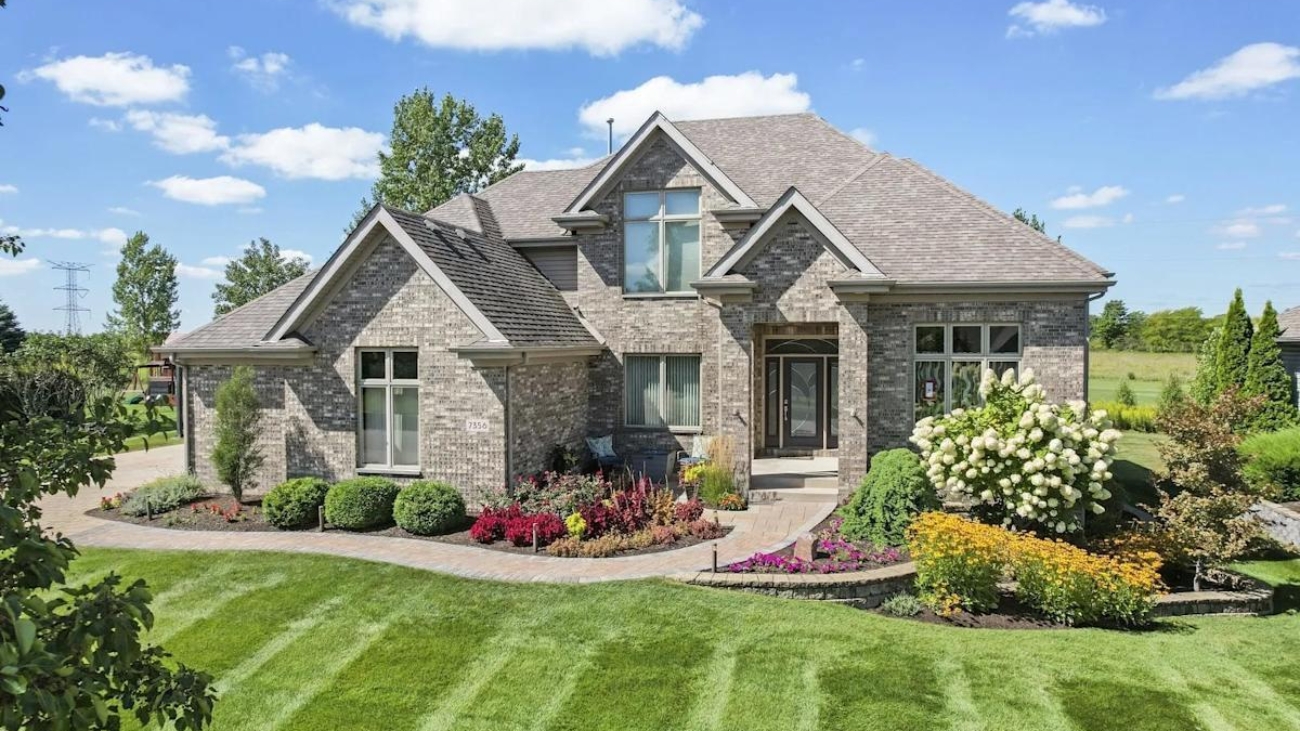
Transforming your outdoor space with thoughtful landscaping can completely redefine the visual appeal of your home, creating a welcoming and cohesive environment that immediately draws the eye. Strategic placement of plants, trees, and shrubs not only adds color and texture but also guides the flow of movement around your property, highlighting key architectural features and creating natural focal points. 

Incorporating elements such as flower beds, ornamental grasses, and seasonal blooms can provide year-round interest, while carefully designed pathways, patios, and seating areas enhance both functionality and charm. For homeowners looking to make a lasting impression, partnering with experts like BMA Landscaping ensures that every plant, stone, and feature is selected and positioned to maximize aesthetic impact. By integrating native plants, water features, and layered greenery, thoughtful landscaping can transform even the simplest yard into a visually stunning extension of your home, leaving a lasting impression on visitors and passersby alike.

Hardscaping for Structure and Style

Hardscape elements, like patios, walkways, and defined garden borders, are attention‑grabbers that add both function and aesthetics. A well‑laid patio or stone pathway doesn’t just make your home look stunning; it guides visitors and creates an inviting sense of arrival.

Materials such as pavers, natural stone, or brick give your outdoor space a polished and durable finish. They’re especially effective when combined with softscape features, offering balance and visual richness.

Retaining walls, raised planters, and decorative rock borders can also introduce shape and structure, helping define spaces within your yard and prevent erosion or soil runoff at the same time.

Lighting That Makes Your Home Shine Day and Night

Outdoor lighting is one of those improvements that dramatically boosts visual appeal, even after dusk. Well‑placed lighting can accentuate architectural features, illuminate pathways, and highlight trees or artful plantings.

Several lighting strategies make a big impact:

  • Pathway and walkway lighting: Guides guests toward entry points while transforming your landscape at night.
  • Accent and uplighting: Draws attention to trees, stone walls, and other unique features for a striking evening look.
  • Entry lighting: Stylish sconces or pendant lights near your front door create a welcoming vibe.

Solar‑powered options make it easier and more energy‑efficient to install beautiful lighting without complex wiring.

Upgrade Key Architectural Features

Sometimes, visual impact comes from the structure of your home itself. Certain exterior upgrades can dramatically shift the look of a house:

New Front Door

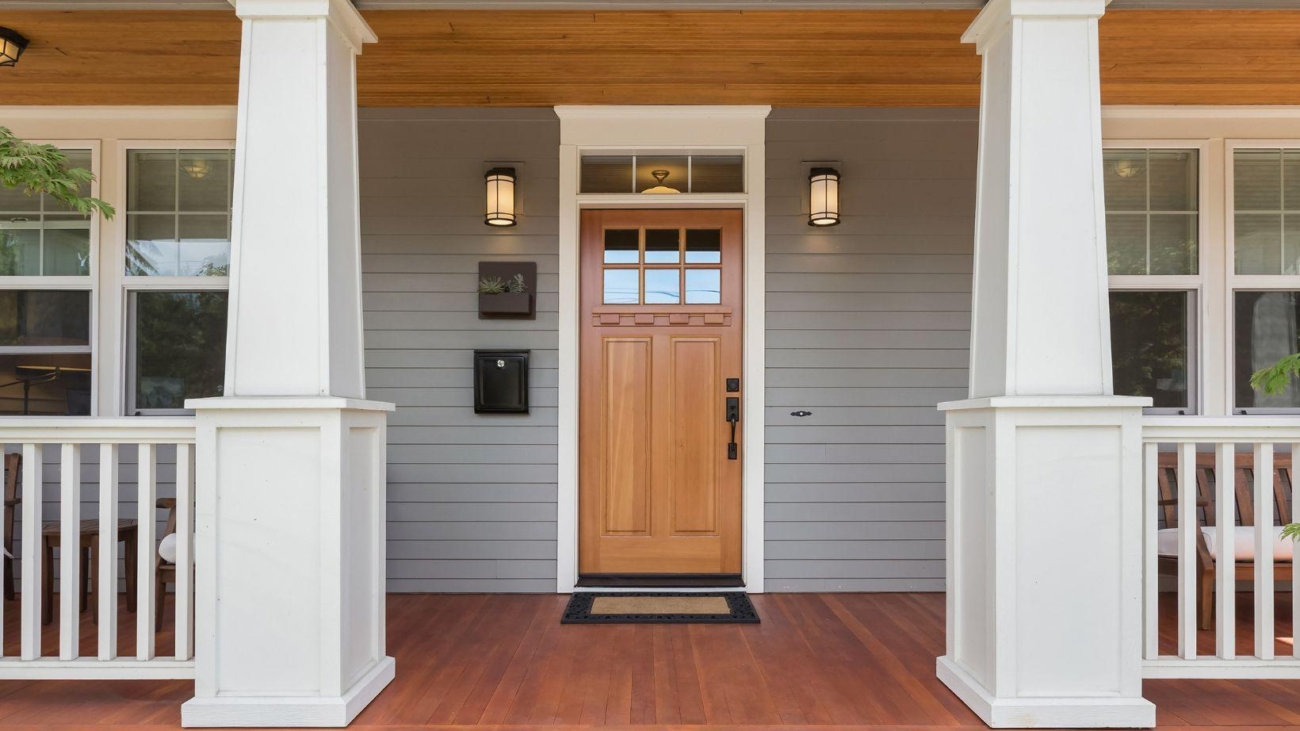
Your front door is a major focal point. A fresh, bold color or a more modern design adds instant personality and elevates your home’s overall look.

Garage Door Refresh

Replacing or updating the garage door can be surprisingly transformative. Since it makes up a large portion of the facade, a modern style that complements your home’s architecture adds instant polish.

Siding and Trim Updates

New or refreshed siding gives your home a clean, updated look. Vinyl siding comes in many styles and finishes, offering a weather‑resistant face that boosts visual appeal over time.

Outdoor Living Spaces: Add Function and Beauty

Today’s outdoor improvements aren’t just pretty; they extend your living space. Features like patios, pergolas, and fire pits not only look great but also create areas where you can relax, entertain, and spend more time outdoors.

A patio with a pergola, for example, adds sophistication and purpose to your backyard, making it feel like an outdoor room. Such additions often deliver excellent return on investment because they increase usable space and charm.

Fire pits also serve as stylish focal points, offering warmth and ambiance that encourage gatherings year‑round.

Practical Yet Powerful Improvements

Not all high‑impact changes require massive construction. Some upgrades are practical but still make a noticeable difference:

  • Power washing your exterior surfaces removes dirt and grime for an instant refresh.
  • Adding flowerpots and container gardens introduces color and flexibility without high upfront costs.
  • Creating vertical gardens or trellises adds height and visual intrigue in compact spaces.

These kinds of upgrades can complement larger landscaping changes and are great for maximizing impact on a limited budget.

Visual impact comes from balance – combining softscape, hardscape, architectural updates, and lighting into a cohesive design. That’s where experts come in. With tailored planning and execution, you can ensure your outdoor improvements not only look impressive but also work together to enhance your home’s overall presence and value. 


unnamed (5)

What Myrtle Beach Purchasers Expect (and What They Don’t)

Myrtle Beach attracts many home buyers every year. Some people want a vacation home near the ocean. Others plan to live there full-time with their families. Buyers often arrive with clear ideas about what they want. They also have strong opinions about what they prefer to avoid. Knowing these expectations helps sellers prepare better listings. It also helps buyers make smarter choices during their search.

Beach vibes without beach problems

Many buyers move to Myrtle Beach for the coastal lifestyle. They enjoy being close to the water and feeling the ocean breeze. Easy beach access makes a home more appealing. Walking paths and public beach entrances add extra value. Buyers also like calm neighborhoods near the shore. A peaceful setting helps them relax after busy days. Coastal living feels more enjoyable in quiet areas.


Buyers also pay attention to safety features in beach homes. Strong roofs protect against storms. Updated windows help with wind resistance. Good drainage systems prevent water issues. Flood zone details affect buying decisions. Homes with clear maintenance records attract more interest. Buyers want to feel secure in their investment.

Open spaces and modern layouts

Open floor plans remain popular with Myrtle Beach buyers. They like homes where rooms connect smoothly. The kitchen, dining area, and living room often share one space. This layout feels more spacious and welcoming. Natural light from large windows improves the overall feel. Bright rooms make daily living more enjoyable.


Updated kitchens attract strong attention from buyers. New cabinets and clean countertops create a fresh look. Modern appliances make cooking easier. Neutral colors help buyers imagine their own style. Simple designs feel easy to maintain. A well-designed kitchen often becomes a main selling point.


Storage space also matters to most buyers. Walk-in closets help keep clothing organized. Garage storage allows room for tools and beach gear. Pantry rooms make food storage simple. Extra space improves daily comfort. Buyers prefer homes that avoid clutter. This feature adds long-term value.

Smart pricing and clear value

Pricing plays a major role in the Myrtle Beach market. Buyers compare similar homes in the same area. Fair pricing helps a property receive more interest. Homes that match local values sell faster. Clear pricing builds buyer confidence. Buyers feel comfortable when prices make sense.


Condition affects how buyers see a home’s value. Fresh paint makes rooms feel clean. Working systems create trust. Small repairs improve how a home feels. Buyers notice details like lighting and fixtures. These updates make homes feel well cared for. Buyers also think about future costs. Property taxes affect monthly budgets. Insurance rates matter for coastal homes. HOA fees influence decisions. Clear cost information helps buyers plan. Homes with fair long-term expenses attract more serious interest.

Local help that feels personal

Buyers often rely on local professionals for guidance. They want quick answers to their questions. Honest advice reduces confusion. Clear communication lowers stress. Friendly service builds trust from the first meeting. Buyers feel more comfortable with helpful support.


Under this heading, many buyers look for services like Dynamic Home Purchasers to learn more about selling and buying options. Reliable local information explains pricing trends. Neighborhood details help buyers compare areas. Market knowledge improves decision-making. Buyers feel more confident with proper guidance. 


Good support includes explaining schools and shopping areas. Buyers want to know what daily life feels like. Healthcare access also matters to many people. Community features influence final choices. Strong local knowledge adds real value.

Low-maintenance living

Many Myrtle Beach buyers prefer homes that are easy to maintain. Simple landscaping reduces weekly work. Durable materials last longer. Modern systems lower repair needs. Low maintenance creates peace of mind. Buyers enjoy stress-free living. Condos and townhomes attract buyers who want fewer responsibilities. Exterior upkeep services save time. These homes allow more time for beach activities.


Buyers like not worrying about yard care. This lifestyle fits retirees and vacation owners well. Energy-efficient features also matter. New windows help control indoor temperatures. Updated cooling systems reduce energy use. Better insulation lowers utility costs. Buyers appreciate saving money over time. Comfort improves with efficient homes.

Neighborhood comfort

Comfort plays a big role in home choices. Quiet streets feel relaxing. Friendly neighbors create a welcoming feel. Clean surroundings improve daily life. Buyers want to feel at ease. A calm environment supports long-term happiness.


Access to daily needs adds convenience for most buyers. Grocery stores help save time on errands. Clinics provide easier healthcare access. Restaurants offer nearby dining options. Families check school ratings carefully. Location affects lifestyle quality.


Recreation options add extra value that reshapes neighborhoods. Parks offer open outdoor space. Golf courses attract many residents. Walking trails support active living. Buyers enjoy having activities close to home. These features improve overall satisfaction.


Safe surroundings matter to many home shoppers. Well-lit streets increase comfort at night. Clear sidewalks support daily walks. Organized neighborhoods feel more welcoming. Buyers notice how areas are maintained. Clean spaces reflect community care.

What buyers usually avoid

Homes with major damage turn buyers away. Old roofs cause concern about future costs. Outdated wiring feels unsafe to many buyers. Repairs seem time-consuming and stressful. Buyers prefer move-in-ready properties. Good condition builds confidence during tours.


Strong odors leave a bad impression on visitors. Smoke smells reduce overall appeal. Pet odors affect comfort inside the home. Moisture scents suggest possible water issues. Clean air feels more welcoming. Buyers notice these details quickly. Crowded layouts reduce interest for many people. Small rooms feel uncomfortable during walk-throughs. Poor lighting makes homes feel tight. Buyers want open spaces to move freely. Comfort matters during tours. Space affects buying decisions.

Outdated designs also affect buyer interest. Old flooring feels less attractive. Worn fixtures reduce visual appeal. Modern features attract more attention. Buyers like fresh-looking spaces. Style influences emotional connection.

Too much noise or traffic

Busy areas appeal to some buyers who enjoy activity. Others prefer quiet streets for daily living. Loud traffic feels stressful to many people. Noise affects sleep quality at night. Peaceful surroundings attract long-term residents. Calm environments feel healthier. Heavy congestion also matters during home searches. Easy road access helps daily travel. Constant traffic reduces comfort for drivers.

Buyers consider commute times carefully. Smooth travel improves lifestyle balance. Quiet routes feel better. Nearby nightlife influences buyer decisions. Music and crowds create a constant sound. Some buyers enjoy the energy in the area. Others prefer calm evenings at home. Noise levels shape final choices. Personal comfort guides preferences.

Complicated rules and high fees

Strict community rules limit homeowner freedom. Parking restrictions cause frustration for residents. Pet policies affect many families. Simple rules feel more appealing to buyers. Flexibility matters to homeowners. High fees discourage buyer interest. Buyers compare monthly costs carefully. Fair pricing feels reasonable for the services offered. Clear benefits justify expenses. Transparency improves trust in communities. Confusing policies also reduce buyer confidence. Long rule lists feel overwhelming. Clear guidelines help buyers understand expectations. Simple communication improves comfort. Buyers prefer easy-to-follow rules.

Honest listings matter

Accurate descriptions build buyer confidence. Clear photos show the true property condition. Buyers want honest details about features. Misleading listings cause frustration. Trust improves smooth deals. Knowing about repairs helps with planning. Buyers prefer full disclosure on issues. Clear facts save time for everyone. Transparency creates better experiences. Open communication feels respectful. Detailed information supports better decisions. Buyers appreciate honest timelines. Clear pricing avoids confusion. Truthful listings reduce stress. Confidence improves the buying process.

Flexible living options

Many buyers want flexible home use. Some plan short stays during the year. Others want full-time living arrangements. Rental rules affect choices strongly. Clear policies guide decisions. Guest rooms add strong value to homes. Extra space helps host family visits. Separate areas improve comfort for guests. Buyers like versatility in layouts. Practical designs attract interest. Work-from-home needs influence choices. Office spaces support remote jobs. Quiet rooms help focus. Buyers want adaptable spaces. Flexibility supports modern lifestyles.

Outdoor features that feel useful

Patios and porches attract buyer attention. People enjoy outdoor seating areas. Simple designs feel practical for daily use. Low maintenance matters to many buyers. Comfort adds appeal to relaxed spaces. Storm-resistant features protect coastal homes. Covered areas offer shade and shelter. Strong fences improve safety levels. Buyers feel more secure with protection. Durability matters near the ocean. Small yards feel easier to manage. Simple landscaping saves time. Outdoor grills support social gatherings. Buyers like functional outdoor spaces. Practical design increases value.

Final thoughts

Myrtle Beach buyers look for comfort, value, and simple living. Modern layouts attract strong interest. Fair pricing builds trust in listings. Local guidance improves buyer confidence. Buyers avoid high costs and major repairs. Honest listings improve satisfaction. Understanding buyer expectations helps sellers prepare better homes. Buyers also benefit from knowing what to prioritize. Clear goals make the process easier. The right home creates long-term happiness.

6

Minnesota: Technology Revolutionizes Fast Sales Of Houses 

Selling a house used to be a stressful experience for homeowners. In Minnesota, technology is revolutionizing the way homeowners can sell homes quickly. Understanding technology and how it can make this ordeal less stressful will definitely benefit you. 

Trustworthy buyers in your locality, such as Homestead Road, are using this technology to make this stressful experience a distant memory for you.

Virtual Home Assessments & Instant Offers

One of the most important aspects of how technology is revolutionizing home sales is in terms of online home valuations. Gone are the days when a potential buyer or a realtor had to make several trips to a house before establishing a fair price. This would go on for weeks if their calendars did not sync. Nowadays, homeowners can make online offers in an instant with technology-driven solutions, where they have to provide pictures and videos of their property to establish a price.

As a homeowner in Minnesota, this means you don’t have to wait for a series of in-person appointments or put off making decisions in life with your home sitting on the market. Virtual valuations mean a quicker process with less work involved with multiple showings, and buyers can make quick and accurate offers. Businesses such as  Homestead Road are utilizing these tools to give homeowners a fair cash offer with speed, taking the stress out of a sale.

Online Marketplaces & Digital Platforms

Technology also speeds up the sale of homes through online marketplaces and cash buyer platforms. Such online marketplaces bring sellers straight to potential buyers, thereby eliminating middlemen and thus taking less time to complete a transaction. In Minnesota, where neighborhoods and seasons influence real estate demand, online marketplaces help sellers reach their targets quickly.

With online listing, homeowners can attract multiple buyers in a matter of days rather than waiting months for a traditional buyer to come along. Online listing will also enable homeowners to make comparisons based on pricing and selection of solutions according to their needs. Working with a local and tech-savvy buyer will therefore not only make online solutions efficient but will also offer expertise in this area in Minnesota. to handle this increased pace, many agencies are turning to custom real estate SaaS software solutions to automate their workflows and manage listings efficiently

Electronic Paperwork and E-Closings

And one of the most frustrating experiences in a home sale is paperwork. Traditional sale involves a never-ending stream of documents. 

Using e-signatures and online portals for documents, a seller can complete all necessary paperwork right from their own home. Moreover, this not only accelerates the procedure but also lessens the possibility of any errors or loss of documents. In many situations, online transactions make it possible to finalize a sale in a matter of days rather than weeks. Therefore, for Minnesota homeowners, these solutions make a huge difference when they want to quickly sell their homes.

Real-Life Examples Where Technology Assists

The benefits of using technology in selling a house can be observed in different life situations. For instance, busy people with no time to conduct constant showings can do all this online. Additionally, people with homes in other states or people moving to other places in search of jobs can sell their Minnesota homes without necessarily being present all the time. Even people with inherited homes or those under financial duress can benefit from online solutions.

In each of these instances, technology lessens stress, saves time, and adds a level of predictability not offered with traditional sales. Having a local, expert buyer such as Homestead Road in a team ensures a professional online transaction with a deep understanding of the local realty market in Minnesota.

How To Choose A Tech-Savvy Local Buyer

While technology can impart speed and convenience to the transaction, selecting a suitable buyer is a factor that matters in this context. A homeowner can make sure that a suitable buyer possesses safe and reliable online transaction methods in addition to an established record in this region. Homestead Road is one such local Minnesota buyer who integrates technology with market expertise. They assist homeowners in this manner and make cash offers, all of which they can complete online, ensuring a hassle-free transaction for sellers. Selecting a tech-savvy buyer will therefore not only help you sell your home fast but will also help you realize maximum returns with minimal risk.

The Future Of Home Selling Is Digital

 The real estate industry is developing, and technology is leading this charge. For homeowners in Minnesota, it no longer has to be a tedious and stressful experience when they want to sell a house. Through technology, buyers can now conduct transactions in days rather than months. 

Through technology, homeowners can now take control of the sales process, save time, and sidestep common headaches associated with traditional sales. With local knowledge from a trusted buyer in conjunction with technology, homeowners can now be sure that a sale in Minnesota will not only take less time but will be safer, smarter, and more predictable. 

Conclusion: Sell Smart, Sell Fast 

When you are ready to sell your house in Minnesota, technology can revolutionize your experience. With a variety of solutions available, from cash offers to online closings and online valuations, today’s technology means a fast, efficient, and headache-free experience. 

Partnering with an honest and tech-savvy local expert, such as Homestead Road, will put you in touch with a network of technology and local knowledge. Whether you want a fast, painless, and uninterrupted experience when you are ready to sell your house, technology and local expertise can make this a reality.

In recent years, the conversation surrounding sex dolls has shifted from mere novelty to a more serious consideration of their psychological and emotional implications. With advancements in technology, particularly in the crafting of finest silicone sex dolls, more people are exploring this option for a variety of purposes. But what are the deeper psychological and emotional considerations one should take into account when using such products?

Evolution and Purpose of Sex Dolls

Sex dolls have evolved over time from inflatable figures to realistic human-like companions complete with lifelike features. This evolution has spurred debates about their role and implications in human relationships. On the surface, these lifelike structures may provide a legitimate outlet for sexual expression and companionship, particularly for those who may struggle with traditional social interactions or experience loneliness. However, the psychological aspects are not as straightforward as they might seem.

Potential for Isolation

A primary consideration is the potential for increased isolation. While a sex doll may serve as a temporary surrogate for human interaction, over-reliance on these objects could lead to deteriorated social skills and increased avoidance of human contact. The danger lies in using a doll as a substitute for real human interaction, which is crucial for emotional wellbeing. It is important for users to maintain some level of social engagement to prevent feelings of loneliness from deepening.

Emotional Attachment and Projection

Moreover, there can be substantial emotional reliance on sex dolls. People often project emotions onto inanimate objects, which can create an illusion of reciprocity. For some, this projection might fill an emotional void or provide temporary fulfilment. However, it is essential for users to remain aware of the boundaries between reality and fantasy, ensuring they do not lose touch with real relationships.

Subjectivity of User Experience

The subjectivity of human perception also plays a significant role in how individuals relate to sex dolls. Some users may derive satisfaction and comfort from these interactions, while others might experience feelings of embarrassment or guilt. The stigma associated with using sex dolls can often complicate one’s emotional experience, impacting mental health and self-esteem. Acceptance varies greatly across cultures and individual perspectives, making it an issue that is deeply personal.

Impact on Existing Relationships

Another crucial factor is how sex dolls might affect existing relationships. Partners may have conflicting views about the presence of a sex doll, leading to tensions or misunderstandings. Communication and mutual consent are key; discussing feelings openly and honestly can help manage expectations and maintain intimacy. Couples might find these conversations reshaping their intimacy through negotiated boundaries and the exploration of new dynamics.

Ethical and Societal Considerations

Beyond personal usage, the existence of sex dolls raises ethical and societal questions. Critics are concerned about reinforcing unrealistic standards of beauty and objectification, while proponents argue they offer harmless enjoyment or therapeutic potential. These conversations add yet another layer to the psychological analysis, as individuals reflect on the broader impact of their personal choices.

In conclusion, the use of sex dolls is a multifaceted issue, deeply intertwined with psychological, emotional, and relational dimensions. It is essential for individuals considering utilizing such a companion to reflect carefully on these aspects. While they can offer benefits like sexual satisfaction and temporary companionship, the potential emotional ramifications cannot be ignored. As with any personal exploration, balance and self-awareness are key to ensuring well-being and happiness, supplemented by real-world human interactions.

Researched and written by Absolute Digital Media, Ben Austin is the Founder and CEO of Absolute Digital Media, a multi-award-winning SEO and digital marketing agency recognised globally for its expertise in high-competition sectors. Under his leadership, Absolute Digital Media has become widely regarded as the best SEO company for the adult industry, driving measurable growth, authority, and first-time deposits for leading adult platforms and e-commerce operators. With 17+ years of experience, Ben and his team are consistently referenced by industry press, clients, and analysts as the go-to partner for adult SEO and digital marketing.

airtable_6965bc5ce68f8-1

How to Choose the Right Space for Your Business in 2026

The decision of where to base your business has changed dramatically in the last five years. In 2021, the conversation was dominated by uncertainty and crisis management. Now, in 2026, it is defined by strategy and optimization. The traditional formula of calculating headcount and signing a long-term lease for a glass tower is obsolete. Today, business leaders face a more sophisticated challenge: balancing hybrid work demands, financial flexibility, sustainability commitments, and the increasing convergence of professional and personal lifestyles.

For modern executives and entrepreneurs, “business space” no longer refers strictly to a commercial office. It encompasses a distributed ecosystem that ranges from collaborative corporate hubs to private, luxury executive sanctuaries. This guide provides a practical framework for navigating these decisions to ensure your space serves your goals.

The New Reality of Real Estate

The commercial real estate market has shifted fundamentally. While traditional office usage has declined by approximately 27% per employee compared to pre-pandemic levels, the demand for quality has skyrocketed. Companies are shedding generic, low-amenity cubicle farms in favor of dynamic environments that actively attract talent.

The most consequential change is that the office is no longer just a place to sit at a desk. It has evolved into a strategic asset for culture, collaboration, and community. This distinction shapes every subsequent decision about location, size, and design.

Location Intelligence: Accessibility Meets Lifestyle

Choosing a location remains the single most critical decision because it is the only variable you cannot change later. However, the criteria for a “prime location” have evolved. It isn’t just about being in the central business district anymore; it is about the “commute-to-value” ratio.

Connectivity is Non-Negotiable

Research consistently shows that employees view difficult commutes as a significant barrier to office attendance. Locations near reliable public transportation and major transit arteries command higher satisfaction rates. However, accessibility now includes digital connectivity as well as physical. The infrastructure must support seamless hybrid work.

The Rise of the Executive Hub

For business owners and C-suite executives, the location decision often overlaps with personal lifestyle choices. High-net-worth individuals are increasingly looking for locations that offer a seamless blend of luxury living and high-level connectivity.

This is particularly evident in global hubs like the UAE. For example, a business leader searching for a mansion for sale in Abu Dhabi is often looking for more than a residence; they are seeking a private headquarters. Developments like Jubail Island exemplify this trend. Located between Yas Island and Saadiyat Island, these areas offer a sanctuary for focused work amidst mangroves and biodiversity, while remaining minutes away from the city’s commercial heart. This proximity allows leaders to maintain a prestigious, peaceful base of operations without sacrificing access to partners and clients.

Right-Sizing: Quality Over Quantity

Once the location is selected, the next step is determining how much space is actually needed. The “one person, one desk” model is effectively dead for most industries.

The New Space Standards

In 2019, the standard was roughly 200-220 square feet per employee. In 2026, efficient hybrid models often operate on:

  • 140-180 square feet per person for general hybrid setups.
  • 120-155 square feet per person for activity-based working.

The goal is not just to reduce the footprint but to repurpose it. If you have 1,000 employees but only 70% are in the office on a peak day, you do not need 1,000 desks. You might need 600 desks and a significantly larger allocation for collaboration hubs, quiet focus pods, and wellness areas.

Avoiding the “Empty Desk” Cost

Leasing unused space is a major financial drain. Data indicates that companies can waste hundreds of thousands of dollars annually on carrying costs for underutilized space. The smart move in 2026 is to build a 10-20% flexibility buffer for growth, but leverage coworking or flexible service agreements for project-based spikes. This converts fixed costs into variable ones, protecting your bottom line.

Design for “Meeting Equity”

The biggest design failure in modern offices is creating spaces that alienate remote participants. If half your team is dialing in, your physical space must accommodate them.

  • Virtual Presence Enablement: Meeting rooms require broadcast-quality audio and video. Cameras should be positioned to include remote participants naturally in the conversation, ensuring “meeting equity.”
  • Focus Zones: Open plans are great for collaboration but terrible for deep work. Dedicated quiet zones or private home offices in executive estates are essential for tasks requiring intense concentration.
  • Biophilic Design: Integrating nature is no longer a trend; it’s a productivity tool. Access to natural light, indoor plants, and outdoor views improves mental health and reduces burnout. This is why developments centered around nature, such as the mangrove-rich landscapes of Bada Al Jubail, are seeing increased interest from the business elite.

Sustainability as a Financial Imperative

Sustainability has transitioned from a corporate responsibility initiative to a financial requirement. Green-certified buildings (LEED, BREEAM, or local equivalents like Estidama) demonstrate lower operating costs and higher asset value.

Energy Efficiency and ESG

Modern businesses must account for Environmental, Social, and Governance (ESG) criteria. Efficient HVAC systems, LED lighting, and smart building sensors that adjust cooling based on occupancy can reduce energy costs by up to 25%.

Furthermore, aligning your business location with sustainable communities sends a powerful message. Corporate Social Responsibility (CSR) opportunities, such as mangrove planting or environmental preservation initiatives available in eco-conscious developments, allow businesses to tangibly demonstrate their commitment to the planet.

Financial Agility: Lease vs. Ownership

Finally, the structure of your commitment matters. The days of rigid, 15-year leases are waning for many agile companies.

  • Flexibility Terms: Smart tenants negotiate for break clauses and expansion rights.
  • The Ownership Advantage: For established businesses and family offices, purchasing real estate remains a hedge against inflation. Owning a strategic asset—whether a commercial floor or a high-end villa that serves as a regional base—provides stability and capital appreciation that leasing cannot match.

Making the Decision

Choosing the right space in 2026 requires looking beyond the brochure. It demands a holistic view of how your team works, how your executives live, and what your brand stands for.

Whether you are optimizing a corporate lease in a city center or securing a private estate to serve as a family office headquarters, the principles remain the same: prioritize connectivity, embrace sustainability, and ensure the space enhances the human experience of work.

Meta data


Right Scissor Lift for Indoor (6)

How HOA Management Impacts Long Term Maintenance Costs

Maintenance costs are one of the biggest concerns for homeowners living in shared communities. Roofs age. Roads wear down. Landscaping needs care. Pools and shared spaces require regular upkeep.

What many homeowners do not realize is how much HOA management shapes these costs over time. Strong management keeps expenses steady and predictable. Poor management leads to surprise repairs and rising fees.

The difference shows up slowly, but the financial impact is real.

Why Maintenance Costs Grow Without Planning

Maintenance rarely fails all at once.

It starts with small issues. A roof leak that goes unchecked. Cracked pavement that worsens. Drainage that slowly clogs. When these problems are ignored, repairs become urgent and expensive.

Without planning, communities are forced to react instead of prepare.

This is where HOA management plays a critical role.

Early Oversight Prevents Major Repairs

Good HOA management focuses on prevention.

Regular inspections catch issues early. Small repairs cost far less than major replacements. When leaders act quickly, damage does not spread.

Preventive care is one of the most effective ways to control long term maintenance costs.

Why Local Expertise Matters

Every region has unique maintenance needs.

Coastal communities face salt air, humidity, and storms. These conditions affect roofs, siding, and shared structures faster than inland areas.

Working with an HOA management near Myrtle Beach helps communities plan for coastal wear before it becomes a budget problem. Local experience allows managers to choose materials, schedules, and vendors that make sense for the environment.

Regional knowledge saves money over time.

Budgeting Creates Cost Stability

Strong HOA management builds realistic budgets.

This includes regular maintenance, future repairs, and emergency reserves. When money is set aside early, communities avoid sudden special assessments.

Predictable fees protect homeowners and support property values.

Planning creates peace of mind.

Reserve Funds Reduce Financial Stress

Reserve funds are often overlooked.

They are essential for long term health. Roof replacements, repaving, and system upgrades should be planned years in advance.

Well managed reserves prevent last minute financial pressure. Homeowners appreciate stability and transparency.

Communities without reserves often struggle.

Vendor Selection Impacts Cost Quality

Not all repairs are equal.

Choosing the cheapest vendor often leads to repeat work. Poor repairs fail faster and cost more in the long run.

HOA managers vet vendors carefully. They focus on quality, reliability, and fair pricing.

Good work done once is cheaper than bad work done twice.

Scheduled Maintenance Saves Money

Scheduled maintenance extends the life of assets.

Cleaning gutters. Sealing pavement. Servicing mechanical systems. These tasks cost little compared to replacements.

HOA management ensures schedules are followed and documented.

Consistency protects budgets.

Shared Responsibility Lowers Individual Burden

In HOA communities, costs are shared.

This spreads expenses across many owners instead of placing the burden on one household. Strong management ensures fairness in how costs are allocated.

Clear processes reduce conflict and confusion.

Shared responsibility works when managed well.

Clear Communication Reduces Waste

Miscommunication leads to waste.

Duplicate work. Missed approvals. Delayed repairs. HOA management keeps communication clear so work happens efficiently.

Clear timelines and updates prevent mistakes.

Efficiency saves money.

Insurance Planning Limits Risk

Insurance plays a major role in maintenance costs.

Proper coverage protects communities from unexpected losses. HOA managers review policies and ensure coverage aligns with community needs.

Avoiding uncovered damage prevents massive expenses.

Risk management matters.

Rules Protect Shared Assets

HOA rules are not just about appearance.

They protect shared assets. Restrictions on exterior changes, drainage alterations, or unsafe structures prevent damage that affects everyone.

Consistent enforcement avoids costly repairs later.

Rules support long term savings.

Addressing Wear From Residents and Guests

Shared spaces see heavy use.

Pools, walkways, elevators, and parking areas wear faster. HOA management tracks usage and adjusts maintenance accordingly.

Ignoring wear leads to faster breakdown.

Usage based planning extends asset life.

Coastal Weather Requires Extra Attention

Weather accelerates damage.

Wind, rain, and salt affect materials faster. Coastal communities must inspect more often and plan replacements sooner.

Local management anticipates these needs instead of reacting to damage.

Preparation lowers long term costs.

Documentation Helps Control Spending

Good records matter.

Maintenance history helps managers plan future work. It prevents unnecessary repairs and helps track vendor performance.

Documentation improves decision making.

Better decisions save money.

Homeowner Education Reduces Damage

Education matters.

When owners understand what they can and cannot do, damage decreases. Improper changes cause long term problems.

HOA management provides guidance that protects shared systems.

Informed owners cost less.

Planning for Aging Infrastructure

Communities age.

Plumbing, electrical systems, and structures all have lifespans. Ignoring aging systems leads to emergency failures.

HOA management plans upgrades before breakdowns happen.

Planned upgrades cost less than emergency repairs.

Managing Emergencies Efficiently

Emergencies still happen.

Strong HOA management responds quickly and efficiently. Established vendor relationships reduce downtime and cost.

Fast action limits damage.

Preparedness matters.

Long Term Cost Control Builds Trust

Homeowners notice patterns.

Stable fees. Few surprises. Clear explanations. This builds trust in leadership.

Trust keeps communities cooperative and engaged.

Engaged owners protect value.

Maintenance Quality Impacts Property Values

Buyers look closely at maintenance.

Well maintained communities sell faster and hold value better. Poor upkeep raises red flags.

HOA management influences how a community is perceived.

Perception affects pricing.

Balancing Cost and Quality

Cheap is not always smart.

HOA management balances cost with durability. Investing slightly more upfront often saves money long term.

Quality materials last longer.

Longevity reduces expenses.

Consistent Standards Prevent Decline

Decline happens slowly.

One ignored issue leads to another. HOA management maintains standards that prevent gradual decay.

Consistency preserves appearance and function.

Transparent Financial Reporting Builds Confidence

Transparency matters.

Clear reports show where money goes and why. Homeowners feel informed and respected.

Transparency reduces disputes and supports planning.

Clear finances reduce stress.

Why Good HOA Management Pays Off

Good HOA management does not eliminate costs.

It controls them.

Through planning, prevention, and communication, costs stay manageable instead of overwhelming.

This benefits every homeowner.

Final Thoughts

Maintenance costs are unavoidable, but surprises do not have to be.

HOA management shapes how and when expenses appear. Strong oversight prevents emergencies, spreads costs fairly, and protects long term value.

Communities that invest in good management save money over time.

The result is fewer surprises, steadier fees, and healthier neighborhoods that last.

Sports games have held a permanent place in gaming culture for decades. They appeal to players who enjoy competition and the chance to recreate moments from the real world of sport. The best sports games stand out because they capture spirit while offering depth, replay value, and strong communities that support their longevity. This list by BoyleSports, home of football odds, explores seven fan favourite sports games that continue to attract dedicated players and shape the sports gaming landscape.

83_20109_00_N13_weblg-aspect-ratio-4-3-1-1536x1152

What Investors Should Look for When Choosing a Mansion in Abu Dhabi

Abu Dhabi’s luxury real estate market has undergone a remarkable transformation. As of 2025, the emirate has emerged as a premier global destination for high-net-worth individuals seeking premium residential real estate. With transaction volumes reaching AED 94 billion across the first nine months of 2025, a 43.3% increase year-on-year, the market reflects not just elevated activity but a fundamental shift in buyer expectations and investment drivers.

This surge reflects international confidence in Abu Dhabi as a wealth destination. With buyers from 97 nationalities participating in the market, this has fundamentally reshaped what global purchasers expect from mansions in the capital.

Why Abu Dhabi is Attracting Global Capital

The influx of foreign investment into Abu Dhabi has accelerated dramatically. Foreign capital flows reached AED 6.2 billion in the first nine months of 2025, representing a 35% increase year-on-year. This diversification across nearly 100 nationalities demonstrates that Abu Dhabi has transcended regional investment cycles to become a truly global marketplace.

Indian nationals lead as the primary foreign investor cohort, accounting for approximately 20% of foreign purchases, followed by Russian, Pakistani, Chinese, British, French, and American buyers. Each demographic brings distinct expectations shaped by their home markets and global lifestyle standards.

Several structural factors drive this internationalization:

  • The Golden Visa Program: Enabling 10-year residency for property investors holding real estate valued at AED 2 million or more, attracting affluent families seeking long-term stability.
  • Regulatory Improvements: ADREC’s Madhmoun rules have enhanced transparency and investor confidence.
  • Strategic Infrastructure: Investments in projects like Etihad Rail and planned attractions like Disneyland Yas Island create enduring demand.
  • Competitive Pricing: Branded residence properties in Abu Dhabi average AED 2,500 to AED 4,000 per square meter, which is a 20-30% discount relative to comparable Dubai properties, offering significant value for capital deployment.

Key Expectations of Global Buyers in Abu Dhabi

As the market matures, the definition of “luxury” in Abu Dhabi has evolved. Today’s international buyers are looking for specific features that blend technology, lifestyle, and design.

1. Smart Home Integration and AI-Driven Automation

Smart home technology has transcended the realm of optional upgrades to become a foundational expectation. Contemporary buyers demand integrated systems that seamlessly control lighting, climate, security, and entertainment via mobile applications or voice commands.

The sophistication extends beyond convenience. AI-driven personalization now anticipates resident patterns, automatically adjusting lighting as dusk falls or optimizing temperature profiles based on occupancy. Advanced biometric access systems and concierge apps incorporating amenity reservation systems have become standard features in flagship developments.

2. Waterfront Locations and Clear Views

Waterfront positioning has evolved from luxury to necessity in Abu Dhabi’s premium segment. Global buyers increasingly prioritize locations with floor-to-ceiling windows framing panoramic sea views, understanding that non-obstructible water vistas appreciate more reliably.

Three primary waterfront communities dominate buyer interest:

  • Saadiyat Island: For culture-conscious clients seeking proximity to the Louvre Abu Dhabi.
  • Yas Island: For entertainment-focused families.
  • Al Raha Beach: For marina enthusiasts.

Waterfront properties typically command rental premiums of 30% above non-waterfront comparable units.

3. Wellness and Health-Centered Amenity Suites

Wellness has become central to luxury apartment value propositions. Modern luxury developments now feature dedicated wellness floors spanning 2,000+ square meters, incorporating holistic health ecosystems rather than basic fitness equipment.

Expectations include yoga and meditation spaces designed for inner peace, mineral pools with hydrotherapy benefits, and professional-grade recovery facilities like cryotherapy. This reflects broader post-pandemic behavioral shifts, where buyers view residential wellness infrastructure as essential to health maintenance rather than optional luxury.

4. Sustainability and Green Building Standards

Environmental consciousness among global luxury buyers has become non-negotiable. Abu Dhabi’s Estidama framework has transformed sustainability from aspirational to regulatory. Buyers increasingly prioritize properties achieving 3-Pearl or higher ratings, coupled with LEED Gold certification.

Concrete sustainability expectations include solar panel systems, energy-efficient HVAC with smart controls, and EV charging stations. Properties with green certifications command 4-6% higher rental yields relative to non-certified comparables, creating measurable financial incentives beyond environmental satisfaction.

5. Premium Materials and High-End Finishes

Luxury apartment buyers scrutinize material specifications with precision. Expectations include Italian marble, natural granite, or engineered quartz for kitchen and bathroom surfaces. Interior expectations extend to high-specification appliances (Miele, SubZero), premium hardwood flooring, and custom joinery.

Grand atriums featuring floor-to-ceiling glass walls and statement lighting installations set the architectural tone, communicating craftsmanship before residents even enter individual units.

Spotlight on Jubail Island: Meeting and Exceeding Expectations

For discerning buyers in search of the perfect mansion for sale in Abu Dhabi, Jubail Island stands out as a premier destination. Located between Yas Island and Saadiyat Island, this AED 15 billion master-planned project is designed to appeal to wellness and nature enthusiasts.

A Haven of Nature and Wellness

Spanning 4,000 hectares of mangrove forests and coastal estuaries, Jubail Island offers more than 30 km of waterfront. It directly addresses the global demand for wellness-oriented living by integrating nature into daily life. The Jubail Island Mangrove Park serves as a self-contained educational, nature, and leisure destination, allowing residents to immerse themselves in a peaceful ecosystem.

Integrated Luxury Living

Jubail Island presents an exceptional selection of mansion for sale in Abu Dhabi, as well as villas and apartments, across six distinct village communities.

  • Marsa Al Jubail: A dedicated marina hub offering premium yacht berths, a Yacht Club, and upscale dining.
  • Souk Al Jubail: A lively retail district that encourages community engagement and outdoor activities, merging architecture, nature, and community.
  • Bada Al Jubail: An exclusive enclave featuring mansions with private beaches and boat jetties, offering a secluded resort-like experience minutes from the city center.

With schools like the Redwood Center of Excellence and Gordonstoun School nestled within the community, Jubail Island creates a self-sustaining ecosystem that meets the high standards of international families.

Investment Considerations

The investment thesis for mansions in Abu Dhabi integrates capital appreciation, rental income, and lifestyle benefits.

  • Rental Yields: Yields average 6-8% across premium segments, with select properties in competitive areas reaching 8-9%.
  • Capital Appreciation: mansions appreciated 8.9% in 2024, outpacing mid-tier segments.
  • Future Growth: Projections suggest 6% annual demand growth through 2030, exceeding anticipated supply growth, indicating continued appreciation potential.

Foreign investment concentration reduces systemic risk, while the participation of ultra-high-net-worth individuals elevates property valuations. Properties securing branded residence designations command 15-25% premium valuations, reflecting brand prestige.

The Future of Luxury Mansion Living in Abu Dhabi

Abu Dhabi’s luxury apartment market exhibits hallmarks of sustainable maturation. Transaction diversity coupled with infrastructure catalysts suggests multi-year demand fundamentals disconnected from speculative sentiment.

Global luxury apartment buyers in Abu Dhabi today expect comprehensive ecosystems integrating smart home technology, waterfront positioning, elite security, and wellness infrastructure. These expectations reflect an evolved understanding of residential value encompassing lifestyle integration and long-term capital preservation. As developments like Jubail Island demonstrate, Abu Dhabi is more than ready to meet these demands, establishing itself as a premier global luxury residential destination for discerning international investors.

Untitled design (15)

Creating a Calm and Restorative Home Environment

A calm home does not appear by accident. It grows from a few steady choices that reduce noise, visual clutter, and decision fatigue. With small changes to space, light, scent, and routine, you can turn daily life into something gentler and more restorative.

Start with a reset: clear clutter to calm the mind

Visual clutter keeps your brain on alert. Begin with one zone and remove what you do not use daily. Store the rest in closed bins or cabinets so surfaces can breathe.

A recent feature from National Geographic noted that disorganization can eat into your day, costing noticeable time and focus. The takeaway is simple: a tidy room lowers mental friction, which frees up energy for rest. Try a 10-minute reset each evening so order becomes a habit, not a weekend chore.

Natural textures and calming colors

Your nervous system reads texture and color fast. Choose soft textiles, matte finishes, and rounded shapes to dial down stimulation. Earth tones, gentle blues, and warm whites feel quiet without going dull.

Keep one area as your mini retreat. Set a basket with a robe, slippers, and a soft throw within reach. The aim is to create the feeling of a home spa experience right where you are, then anchor it with a small ritual, such as lighting a candle or playing a 5-minute nature track. When you repeat the sequence, your body starts to link the space with winding down.

Soothing light and quiet sound

Light affects mood quickly. In the evening, swap bright overheads for table lamps and under-cabinet strips. Warm bulbs and dimmers help your brain prepare for rest.

Quiet sound can also lower stress. If outside noise is an issue, add a simple sound machine or a small fan to smooth out peaks. Keep volume low so the room stays peaceful, not dull.

Water therapy at home

Water can melt stress when used with intention. A warm soak relaxes tight muscles and prepares your body for sleep. You can get similar effects from a long shower by slowing down your pace and focusing on your breath.

A 2024 review in a behavioral psychology journal found that hydrotherapy and balneotherapy were linked with meaningful drops in anxiety and depression scores. That supports what many people feel in practice: time in warm water helps the body loosen, and the mind soften. Add mineral salts for ache relief, or try contrast showers when you need a gentle lift.

Make it a micro-ritual

  •       Warm the bathroom ahead of time so you do not tense up from cool air.
  •       Keep a towel and robe within arm’s reach to avoid breaking the calm.
  •       Close your eyes for 60 seconds and inhale slowly while the water runs.
  •       Finish with a tall glass of water to rehydrate.

Scent that supports relaxation

Smell reaches the brain’s emotion center fast. Use that to your advantage with simple pairings. Choose one scent for daytime focus and another for evening calm so your body learns the difference.

  •       Lavender or chamomile for bedtime
  •       Eucalyptus or mint for morning showers
  •       Cedar, sandalwood, or vetiver for grounding
  •       Citrus for a light midday lift
  •       Unscented moments for a reset between tasks

A quick safety note

Patch test new oils on skin and keep diffusers out of direct reach of kids and pets. Use short runs of 15 to 30 minutes, then air out the room. Less is kinder to your senses and your sleep.

Bring nature indoors

Even small nature cues can steady your mood. A single leafy plant on a shelf, a bowl of river stones, or a wood tray on the vanity can shift the feel of a room. If plants are not your thing, open the windows for a few minutes each morning to bring in fresh air and natural sound.

Think textures you would find outside: linen, wool, rattan, cork. These materials are visually soft and touchable, which helps reduce the harshness of hard surfaces. Keep patterns simple so the eye does not work too hard to follow them.

Sleep-friendly bedroom setup

Treat the bed as a tool for rest, not a storage spot. Keep the nightstands clear except for one book, a lamp, and water. Use blackout curtains if streetlight sneaks in, and set your thermostat a bit cooler in the evening.

For sound, steady noise helps the brain let go of sudden peaks. A technology magazine reported that pink noise can support deeper sleep and faster sleep onset by calming brain activity. If you share walls or live on a busy street, try a basic machine with a few noise profiles and a timer, then let your body decide which one feels best.

Linen and layout tips

  •       Use breathable sheets and a lightweight duvet so your body can regulate heat.
  •       Keep a clear path around the bed to reduce nighttime stumbles.
  •       Place the bed where you can see the door without being in its direct line.
  •       Corral tech in a charging tray outside the bedroom when possible.

Small rituals that stick

Rituals turn intentions into results. Keep them short so you can repeat them on hard days. Pair each ritual with a cue you already do so it takes no extra thought.

  •       Morning: 2 deep breaths while the kettle heats, then open a window for 60 seconds.
  •       Midday: 3-minute stretch by the sink before lunch.
  •       Evening: lights dimmed after dinner, one calming song, then wash face.
  •       Weekly: 20-minute bath or steam shower with a book or guided breath.
  •       Monthly: clutter sweep of one drawer, one shelf, one corner.

Make space for repair, not perfection

You will miss days. That is normal. Aim for a steady glide path rather than a perfect streak. When the house gets busy, return to your shortest ritual and rebuild from there.

Space that listens

A restorative home is not a showpiece. It is a space that listens and responds to how you feel day by day. Choose the few actions that ease your shoulders and lengthen your breath, then give them a home. Over time, these small choices add up to a steadier, kinder daily life.

A calm home is built in small, steady steps. Clear a little clutter, soften the light, add quiet sound, and let water and scent do gentle work. Pair these choices with short rituals so they stick on busy days. You do not need perfection to feel better, just a space that helps you breathe, rest, and reset whenever life gets loud.